

Itchy Scalp: Causes, Solutions & Professional Insights
Delena MarklandThe first thing I tell clients struggling with an itchy scalp is this: dryness, buildup, or dermatitis is almost always the culprit, and your first fix should be gentle exfoliation paired with soothing botanical actives. I'm Delena, a licensed cosmetologist, and after years behind the chair, I've learned that most scalp discomfort stems from one of these three triggers, and the solution starts with how you cleanse. The SOOTHE Chamomile, Aloe, Oat Scalp Scrub and Shampoo was formulated specifically for this purpose: to calm irritation while physically removing the flakes and buildup that perpetuate the itch cycle.
Understanding the Three Primary Causes of Itchy Scalp
When a client complains about persistent scalp itch, I start by categorizing the symptoms into one of three patterns. Each type has distinct triggers and requires a targeted approach.
Dry Scalp: The Dehydration Pattern
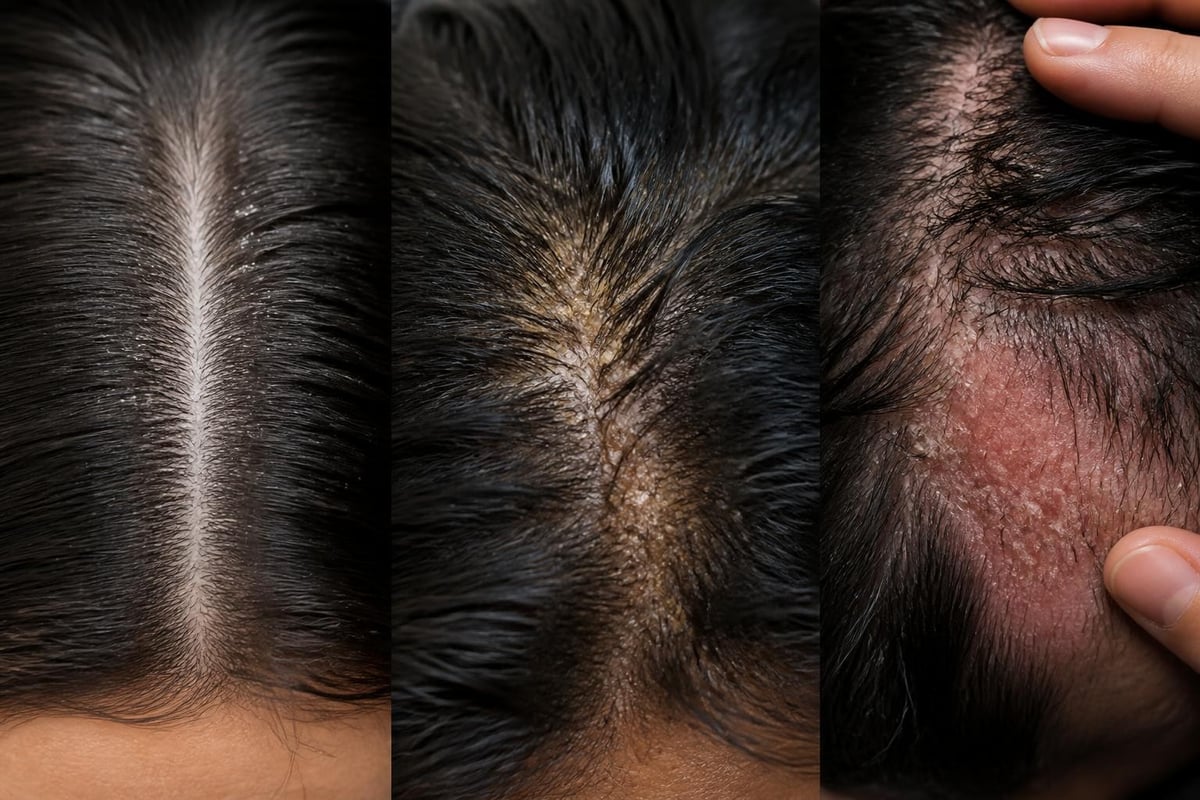
Dry scalp presents as tight, uncomfortable skin with fine white flakes that dust off easily when you scratch. Unlike true dandruff, dry scalp flakes are smaller and don't have the oily, yellow appearance. The skin on your scalp is losing moisture faster than it can replace it, often due to environmental factors, over-washing, or harsh sulfate shampoos.
Common triggers for dry scalp include:
- Low humidity environments and winter air
- Hot water washing that strips natural oils
- Sulfate-heavy shampoos that disrupt the moisture barrier
- Overwashing (daily shampooing when not necessary)
- Aging, which naturally reduces sebum production
The Harvard Health article on itchy scalp causes confirms that dry skin is one of the most frequent culprits, particularly during colder months when indoor heating removes moisture from the air.
Product Buildup: The Accumulation Problem
Buildup-driven itch feels different. It's often accompanied by greasiness at the roots, dull hair that won't hold styles, and larger flakes that cling to the scalp. This happens when styling products, conditioners, dry shampoo, and natural sebum layer onto the scalp without being fully removed.
I see this constantly with clients who use heavy leave-in treatments or apply conditioner to their roots. The itch intensifies a day or two after washing because bacteria and yeast feed on the residue, creating irritation and sometimes odor.
Signs you're dealing with buildup-itch:
- Itching that worsens between washes
- Hair feels coated or limp despite washing
- Flakes that are sticky or yellowish
- Scalp feels congested or heavy
- Regular shampoo doesn't resolve the issue
For these cases, I recommend the DETOX treatment alongside the SOOTHE scrub. The physical exfoliation from the scrub combined with a clarifying approach removes the residue that perpetuates the itch.
Dermatitis and Inflammatory Conditions
Seborrheic dermatitis, psoriasis, and contact dermatitis create persistent inflammation that no amount of regular shampooing will resolve. These conditions require consistency and often specialized actives, but they're manageable with the right protocol.
According to the Cleveland Clinic's overview of scalp problems, seborrheic dermatitis affects areas rich in oil glands and creates the thick, yellowish scales many people mistake for simple dandruff. The itch is intense, sometimes burning, and the flakes return quickly even after washing.
| Condition Type | Flake Appearance | Itch Pattern | Primary Trigger |
|---|---|---|---|
| Dry Scalp | Fine, white, powdery | Mild, constant | Moisture loss |
| Product Buildup | Sticky, clumpy | Intensifies between washes | Residue accumulation |
| Seborrheic Dermatitis | Thick, yellow, oily | Intense, sometimes burning | Malassezia yeast overgrowth |
| Psoriasis | Silvery-white plaques | Severe, with soreness | Autoimmune response |
I don't diagnose these conditions in the salon, but I recognize the patterns and refer clients to dermatologists when the symptoms suggest something beyond simple dryness or buildup.
My Husband's Case Study: From Chronic Flaking to a Healthy Scalp
My husband battled persistent dandruff and scalp itch for nearly a decade, and the frustration of watching him scratch constantly while his hair thinned at the crown drove me to find a real solution. He'd tried every drugstore anti-dandruff shampoo with minimal results. The flakes would temporarily reduce, but the itch never fully stopped, and I noticed his hair density decreasing year after year.
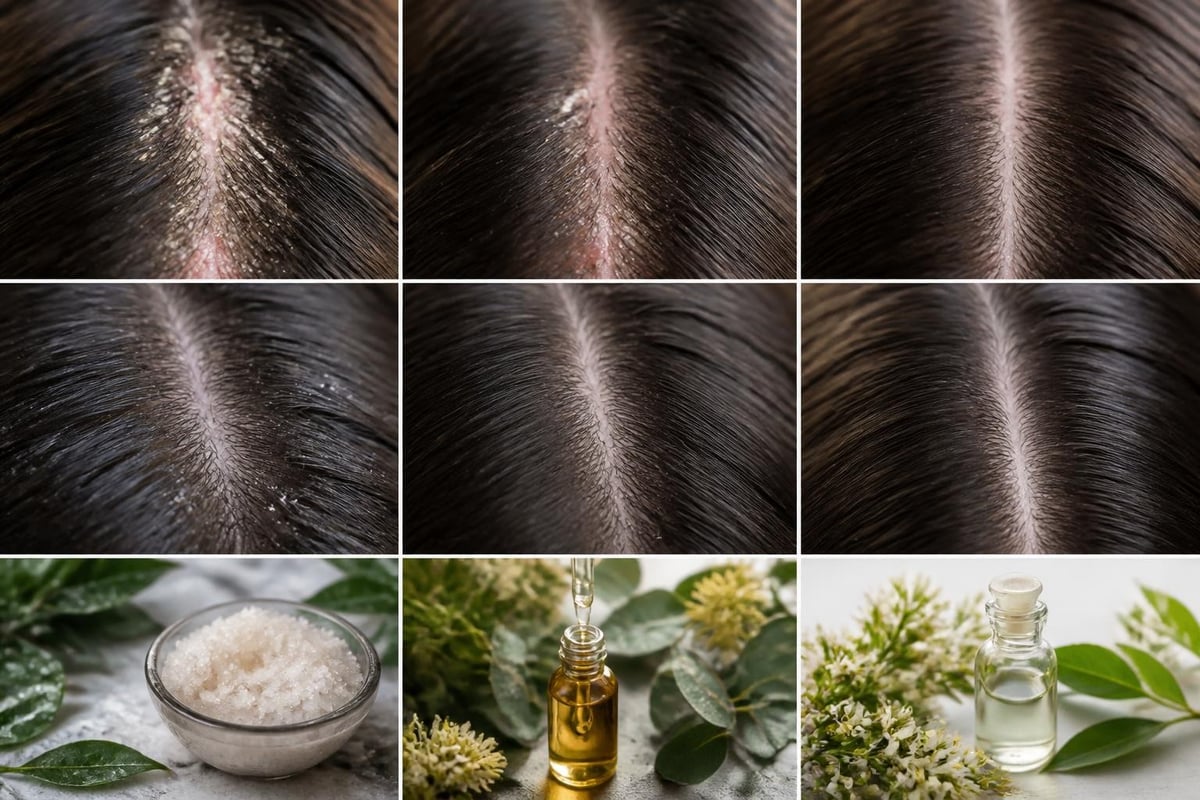
The breakthrough came when I changed his entire approach. First, I introduced a gentle exfoliating scrub twice a week to physically remove the buildup and dead skin cells that traditional shampoos left behind. The scrubbing action alone made an immediate difference in how his scalp felt.
The three-part protocol that resolved his symptoms:
- Exfoliating scalp scrub used every third wash to remove flakes and stimulate circulation
- Rosemary oil treatments applied to damp scalp and left for 20 minutes before washing to reduce inflammation and support follicle health
- 18.21 anti-flake shampoo for regular washes, which contained pyrithione zinc to control the yeast overgrowth driving the flaking
Within six weeks, the itch stopped completely. The flaking reduced by approximately 90%, and what impressed me most was the visible improvement in his hair density at the crown. The constant inflammation had been disrupting his growth cycle, and once we calmed the scalp environment, his hair responded. This experience reinforced everything I know professionally: you cannot have healthy hair growth from an inflamed, congested scalp.
The rosemary treatments were particularly effective because rosemary contains compounds that improve circulation and have antimicrobial properties. Combined with the physical exfoliation and the zinc-based shampoo, his scalp finally had the conditions it needed to heal.
Prefer to listen? I walk through this same scalp-first routine, and my husband's results, on Episode 6 of The Pixie Garden Hair Podcast.
Matching Your Itch Type to the Right Treatment Approach
The most common mistake I see is clients using products designed for one type of scalp issue when they actually have another. A moisturizing treatment won't resolve buildup-driven itch, and a clarifying shampoo will worsen dry scalp symptoms.
For Dry, Dehydrated Scalp
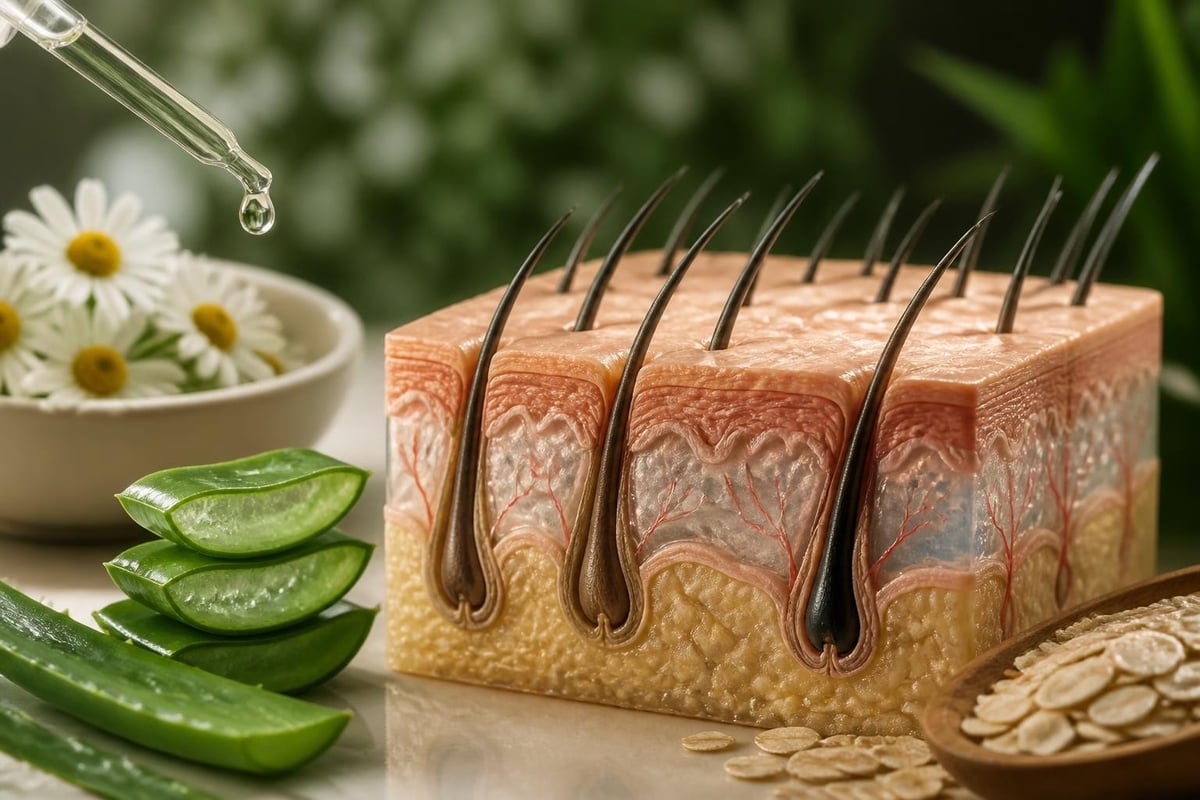
The SOOTHE formula contains three key botanicals chosen specifically for their ability to calm inflammation and restore the moisture barrier: chamomile, aloe, and colloidal oat.
Chamomile has anti-inflammatory properties that reduce redness and sensitivity. It's been used in dermatological preparations for centuries because it's gentle enough for reactive skin while being effective at calming irritation.
Aloe vera provides immediate cooling relief and helps the scalp retain moisture. It penetrates easily and doesn't leave residue, making it ideal for a cleanser that needs to rinse clean while leaving beneficial compounds behind.
Colloidal oat creates a protective film on the skin and is clinically proven to reduce itching. It's the same ingredient dermatologists recommend for eczema and other inflammatory skin conditions.
When working with dry scalp, I recommend washing no more than every two to three days with lukewarm (not hot) water. The scrub particles gently exfoliate without stripping oils, and the botanical blend soothes on contact.
For Buildup-Driven Itch
Buildup requires physical removal, which is why exfoliating scrubs work so effectively for this pattern. The DETOX approach combines deep cleansing with scalp massage to break up residue and stimulate circulation.
I tell clients with buildup issues to use the scrub once weekly as a reset treatment. Massage it thoroughly into the scalp for two to three minutes, focusing on areas where products tend to accumulate (hairline, crown, behind ears). The scrubbing action combined with the clarifying properties removes layers of residue that regular shampooing leaves behind.
Between treatments, switch to a gentle, sulfate-free shampoo and apply conditioner only from mid-length to ends, never on the scalp itself. This prevents the accumulation cycle from restarting.
For Dermatitis and Inflammatory Conditions
While I can't treat diagnosed scalp conditions, I can support the health of reactive scalps with gentle exfoliation and soothing actives. The SOOTHE formula works well for maintaining comfort between dermatologist treatments because it doesn't contain harsh detergents or fragrances that trigger flare-ups.
The Scripps Health guide to itchy scalp emphasizes that inflammatory scalp conditions require consistency rather than aggressive intervention. Gentle daily or every-other-day cleansing with products formulated for sensitive skin helps maintain the improvements achieved through medical treatments.
The Role of Wash Frequency and Technique
One of the most impactful changes you can make is adjusting how often and how you wash your hair. There's no universal schedule that works for everyone, and the current trend toward washing less frequently doesn't suit all scalp types.
Guidelines for determining your ideal wash frequency:
- Oily scalp with buildup: Every 1-2 days with gentle, thorough cleansing
- Normal scalp: Every 2-3 days, adjusting for activity level and product use
- Dry scalp: Every 3-4 days, using lukewarm water and moisturizing formulas
- Active seborrheic dermatitis: As directed by your dermatologist, often daily with medicated shampoos
The technique matters as much as the frequency. When you apply shampoo or scalp scrub, use your fingertips (never nails) to massage in small circular motions across your entire scalp. Spend at least 60 seconds on this massage. It improves circulation, helps the active ingredients penetrate, and ensures you're actually cleansing the skin rather than just the hair.
Rinse thoroughly with cool to lukewarm water. Hot water feels good temporarily but strips protective oils and increases inflammation. A final cool rinse closes the hair cuticle and leaves your scalp feeling refreshed rather than tight.
Soothing Actives That Actually Work
Not all "natural" or "soothing" ingredients deliver measurable results. Based on both professional experience and the research published in dermatological journals, these are the actives I trust for calming reactive scalps.
| Active Ingredient | Primary Benefit | Best For | Application Method |
|---|---|---|---|
| Colloidal Oat | Reduces itching, protects barrier | Dry, sensitive scalps | Leave in contact 2-3 minutes |
| Aloe Vera | Cooling relief, anti-inflammatory | All scalp types, especially inflamed | Can be left on or rinsed |
| Chamomile Extract | Calms redness, gentle | Reactive, easily irritated scalps | 2-3 minute contact time |
| Tea Tree Oil | Antimicrobial, controls yeast | Buildup, mild dermatitis | Diluted, not directly on skin |
| Rosemary Oil | Improves circulation, antimicrobial | Thinning hair, chronic itch | Pre-wash treatment, 20 minutes |
The SOOTHE scrub leverages the first three actives in balanced concentrations that work together without overwhelming sensitive scalps. When formulating products for The Pixie Garden, I specifically avoided adding fragrance or essential oils beyond what's necessary for preservation and efficacy, because many clients with chronic scalp issues are reacting to fragrance compounds.
If you're dealing with persistent thinning alongside scalp discomfort, understanding the connection between inflammation and hair loss becomes essential. The chronic itch and scratching can disrupt normal growth cycles, and addressing the underlying scalp condition often improves hair density. For clients experiencing more significant hair loss concerns, I discuss options like advanced scalp restoration treatments that go beyond topical care.
When Styling Products Contribute to Scalp Discomfort
Many of my clients don't realize their styling routine is creating the scalp issues they're trying to treat. Heavy pomades, gel applied to roots, and excessive dry shampoo use all create the perfect environment for buildup-driven itch.
The solution isn't to abandon styling products entirely. It's to choose formulas that don't migrate to the scalp and to be strategic about where you apply them. When using products like the Hair Finishing Stick to control flyaways and smooth edges, the precision applicator allows you to target only the hair, not the scalp surface, which prevents residue accumulation while still achieving polished results.
Smart application strategies to prevent buildup:
- Apply styling products from mid-length to ends only
- Use dry shampoo on the hair shaft, not directly on the scalp
- Opt for water-based formulas over oil-based when possible
- Cleanse thoroughly after using heavy styling products
- Brush hair before washing to distribute products away from roots
When you do need sleek, controlled styles without contributing to scalp congestion, products formulated with ingredients like jojoba oil and beeswax provide hold without the heavy silicones and polymers that are difficult to remove with regular shampooing.
The Connection Between Scalp Health and Hair Growth
An itchy scalp isn't just uncomfortable; it's often a sign that your hair growth environment is compromised. Healthline's article on itchy scalp and hair loss explains that chronic inflammation disrupts the hair growth cycle, potentially pushing follicles into premature shedding phases.
When my husband resolved his scalp inflammation, his improved hair density wasn't coincidental. Healthy follicles require a balanced, calm environment to progress through their growth phases normally. Constant itching, scratching, and the inflammatory compounds released during chronic scalp conditions interfere with this process.
If you're experiencing both persistent itch and noticeable thinning, prioritizing scalp health becomes even more critical. The exfoliation and soothing approach I use addresses both concerns simultaneously by creating optimal conditions for hair retention and growth.
Product Selection: Reading Labels for Scalp-Safe Formulas
When clients ask me what to look for in scalp-friendly products, I give them specific ingredient guidance. Some compounds are notorious for causing reactions or contributing to buildup, while others support scalp health.
Ingredients to avoid if you have reactive scalp:
- Sodium lauryl sulfate (SLS) and sodium laureth sulfate (SLES)
- Synthetic fragrances (listed as "fragrance" or "parfum")
- Parabens (methylparaben, propylparaben)
- Heavy silicones (dimethicone, especially in leave-in products)
- Formaldehyde-releasing preservatives
Beneficial ingredients to seek out:
- Gentle surfactants like coco-betaine or decyl glucoside
- Natural oils in moderate amounts (jojoba, argan, rosemary)
- Proven anti-inflammatory botanicals (chamomile, calendula, green tea)
- Exfoliating agents like finely ground oat or rice particles
- Zinc pyrithione or ketoconazole for fungal-driven issues
The product descriptions on The Pixie Garden always specify the active ingredients and their purposes because informed choices lead to better outcomes. When you understand what you're applying to your scalp and why, you can make adjustments based on how your scalp responds.
Adjusting Your Routine for Seasonal Changes
Scalp needs shift throughout the year, and the approach that works in humid July may leave you uncomfortable in dry January. I adjust my own routine seasonally and recommend clients do the same.
Winter scalp care adjustments:
- Increase time between washes by one day if possible
- Use the SOOTHE scrub weekly for gentle exfoliation without over-stripping
- Apply lightweight oil treatments to damp scalp before bed
- Run a humidifier in your bedroom to prevent overnight moisture loss
- Rinse with cooler water to prevent further dehydration
Summer scalp care adjustments:
- May need to wash more frequently due to sweat and oil production
- Use the DETOX approach after beach days or pool exposure to remove chlorine and salt
- Apply products sparingly since heat increases oil production
- Protect scalp from sun exposure with hats or UV-protective sprays
- Focus exfoliation on areas where sweat and product accumulate
The goal is maintaining balance regardless of external conditions. Your scalp should never feel tight and dry or greasy and congested. When you find that comfortable middle ground, you've identified your ideal routine.
Addressing Common Misconceptions About Scalp Care
After years of consultations, I've heard nearly every scalp care myth circulating. Let me address the ones that cause the most confusion and potentially worsen symptoms.
Myth: Dandruff and dry scalp are the same thing.
False. Dandruff (seborrheic dermatitis) involves inflammation and yeast overgrowth, creating oily yellow flakes. Dry scalp creates fine white flakes from simple dehydration. The treatments are completely different. Using anti-dandruff shampoo on dry scalp will make it worse.
Myth: You should wash your hair every day if you have an oily scalp.
Not necessarily. Overwashing can trigger rebound oil production as your scalp tries to compensate for stripped oils. Most people benefit from washing every 2-3 days, even with oilier scalps. Use a gentle formula and focus on thorough cleansing rather than frequency.
Myth: Natural ingredients can't cause reactions.
Completely false. Some of the most common allergens are plant-derived. Tea tree oil, lavender, and even aloe can trigger reactions in sensitive individuals. "Natural" doesn't automatically mean "safe for everyone." Always patch test new products.
Myth: Scratching helps exfoliate dead skin.
This causes more harm than help. Scratching damages the scalp barrier, introduces bacteria from under your nails, and increases inflammation. Use proper exfoliating products with your fingertips, never your nails.
Daily Habits That Support Scalp Comfort
Beyond the products you use, your daily habits significantly impact scalp health. Small adjustments to your routine can reduce irritation and prevent chronic issues from developing.
Start with your pillowcase. Cotton absorbs moisture and can harbor bacteria, dust mites, and product residue that transfer back to your scalp nightly. Switch to silk or satin pillowcases, which are less absorbent and create less friction. Wash them weekly in hot water.
Stay hydrated. Dry scalp often reflects overall dehydration. Aim for eight glasses of water daily, more if you exercise heavily or live in dry climates. Your skin, including your scalp, needs adequate hydration from the inside.
Manage stress levels. Stress triggers inflammation throughout your body, and your scalp is particularly responsive. The link between stress and conditions like seborrheic dermatitis is well-documented. Find stress management practices that work for you, whether that's exercise, meditation, or adequate sleep.
Clean your hairbrushes weekly. They accumulate oils, dead skin cells, and product residue that transfer back to your clean hair and scalp. Soak brushes in warm water with a drop of shampoo, scrub between bristles, and rinse thoroughly.
The Role of Diet in Scalp Health
While topical treatments address symptoms, internal factors influence your scalp's baseline health. Certain nutritional deficiencies correlate with increased scalp issues.
Nutrients that support scalp health:
- Omega-3 fatty acids: Reduce inflammation and support the skin barrier (found in fatty fish, walnuts, flaxseed)
- Biotin: Supports hair and skin health (found in eggs, nuts, whole grains)
- Zinc: Helps control oil production and has anti-inflammatory properties (found in shellfish, legumes, seeds)
- Vitamin E: Antioxidant that protects skin cells (found in almonds, sunflower seeds, avocado)
- B vitamins: Support cell turnover and healthy skin (found in leafy greens, whole grains, protein)
I'm not suggesting supplements cure itchy scalp, but I have noticed that clients who eat balanced diets rich in these nutrients tend to have fewer chronic scalp complaints. Work with your healthcare provider before adding supplements, as some can interact with medications or cause issues in excess.
Professional Treatments Worth Considering
For persistent or severe scalp issues that don't respond to at-home care, professional treatments can provide significant relief. As a cosmetologist, I offer several scalp-focused services that go beyond what you can achieve independently.
Scalp exfoliation treatments performed professionally use stronger formulations and techniques than retail products. We can customize the treatment based on your specific scalp condition, adjusting the exfoliation intensity and the active ingredients in the treatment mask.
For clients experiencing both scalp discomfort and noticeable hair thinning, I discuss comprehensive approaches that address both concerns. Advanced options like microchanneling treatments can stimulate the scalp environment while supporting healthier hair growth patterns.
Steam treatments open pores and help active ingredients penetrate more effectively. Combined with massage and targeted serums, these treatments provide both immediate relief and cumulative benefits with regular sessions.
Building Your Personalized Scalp Care Protocol
Based on everything I've covered, here's how to create a routine tailored to your specific needs.
Step 1: Identify your primary scalp concern
- Tight, flaky, uncomfortable = dry scalp
- Greasy roots, dull hair, persistent itch between washes = buildup
- Intense itch, thick yellow flakes, redness = likely dermatitis (consult a dermatologist)
Step 2: Select your primary treatment product
- For dry scalp: SOOTHE Chamomile, Aloe, Oat Scalp Scrub (2-3 times weekly)
- For buildup: DETOX approach with weekly deep cleansing
- For dermatitis: Medicated shampoos as prescribed, supplemented with gentle exfoliation
Step 3: Determine your wash frequency
Start with every 2-3 days and adjust based on how your scalp feels. You should never feel excessively oily or tight and dry.
Step 4: Adjust your styling routine
Keep products away from your scalp, choose water-based formulas when possible, and cleanse thoroughly after using heavy styling products.
Step 5: Monitor and adapt
Your scalp needs will change seasonally, with stress levels, and as you age. Reassess every few months and adjust your routine accordingly.
Frequently Asked Questions About Itchy Scalp
What's the most common cause of an itchy scalp?
Dryness leads the list, followed closely by product buildup. Environmental factors like low humidity, overwashing with harsh shampoos, and failing to rinse thoroughly all contribute to the itch-scratch cycle. Less commonly, inflammatory conditions like seborrheic dermatitis or psoriasis create persistent itch that requires medical intervention. Identifying which type you're experiencing determines the most effective treatment approach.
When should I see a dermatologist for scalp itch?
Consult a dermatologist if your itch persists despite changing products and wash routines, if you develop thick or crusty patches, if you notice significant hair loss accompanying the itch, or if over-the-counter treatments fail to provide relief after four to six weeks. Additionally, seek professional evaluation for any scalp sores that don't heal, sudden onset of severe symptoms, or itch that disrupts sleep. Dermatologists can diagnose underlying conditions and prescribe medicated treatments that aren't available over the counter.
Can I wash my hair daily if I have an itchy scalp?
Daily washing isn't inherently harmful if you use a gentle, sulfate-free formula and have naturally oily hair or an active lifestyle. However, many people overwash, which strips protective oils and worsens dryness. If your scalp feels tight after washing or produces excess oil within hours, you're likely washing too frequently. Most scalp types thrive with washing every two to three days using proper technique and appropriate products. The quality of your cleansing matters more than the frequency.
What ingredients soothe an itchy scalp most effectively?
Colloidal oat ranks highest for itch relief based on dermatological research, followed by aloe vera for cooling and anti-inflammatory benefits. Chamomile, calendula, and green tea extracts calm reactive scalps without causing sensitivity. For fungal-related itch, pyrithione zinc and ketoconazole target the root cause. Avoid menthol and peppermint, which create a cooling sensation but can increase irritation in sensitive individuals. The concentration and formulation matter as much as the ingredient itself, so choose products designed specifically for scalp application rather than repurposing facial or body products.
Managing an itchy scalp successfully requires identifying your specific trigger (dryness, buildup, or dermatitis) and applying the appropriate treatment approach with consistency. The combination of gentle exfoliation, soothing botanical actives, and smart product choices creates the foundation for lasting scalp comfort and healthier hair growth. Whether you're starting with the SOOTHE scrub for dry, reactive scalps or implementing the comprehensive protocol that transformed my husband's chronic condition, the key is addressing the root cause rather than just temporarily suppressing symptoms. The Pixie Garden provides professional-grade scalp care solutions formulated by a licensed cosmetologist who understands the frustration of persistent scalp discomfort and designs every product to deliver measurable relief.
