

Smelly Scalp: 6 Causes and Fixes from a Cosmetologist
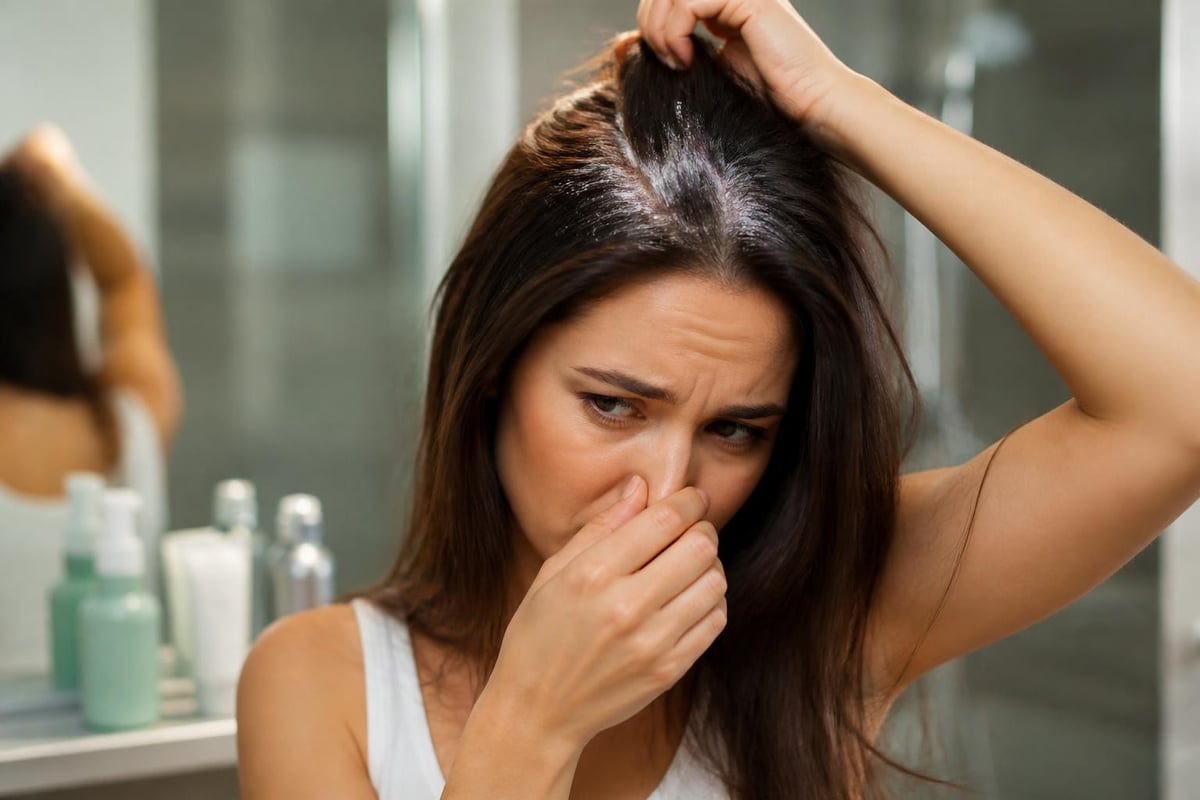
Delena MarklandI hear this question at least twice a week in my chair: "Why does my hair smell even after washing?" If you're dealing with a smelly scalp that persists even when you're showering daily, you're not alone, and more importantly, you're not dealing with "dirty hair." In my twenty-five years as a licensed cosmetologist, I've learned that post-wash scalp odor is almost always the result of buildup trapping oil and bacteria, hard-water mineral film creating a barrier that holds odor, or external sources like hats and pillowcases reintroducing smell. The good news? Once you identify the cause, the fix is straightforward.
Understanding Why Your Scalp Smells After Washing
The scalp is skin, and like the skin on your face, it produces sebum, sheds cells, and hosts a microbiome of bacteria and yeast. When everything is balanced, you don't smell anything. But when sebum production increases, dead skin cells accumulate, or bacteria multiply beyond normal levels, that's when scalp odor develops.
A smelly scalp doesn't mean you're not washing enough. In fact, over-washing can strip your scalp, triggering increased oil production as your skin tries to compensate. The smell you're experiencing is typically the result of:
- Trapped sebum oxidizing and turning rancid
- Bacterial overgrowth feeding on oil and dead cells
- Product buildup creating a film that locks in odor
- Hard water minerals coating the hair shaft and preventing proper cleansing
- External recontamination from pillowcases, hats, or styling tools
Let me walk you through the six most common causes I see in my salon and the specific fixes that work.
Six Causes of Smelly Scalp and How to Fix Each One
1. Product Buildup Creating a Barrier
Silicones, conditioning agents, dry shampoo, and styling products accumulate on your scalp over time. This buildup creates a waxy film that regular shampoo can't penetrate. Bacteria and yeast thrive underneath this layer, and the smell intensifies.
The fix: Use a clarifying shampoo once every 7-10 days. Clarifying formulas contain stronger surfactants that break down product residue. I recommend using it on dry hair first, then wetting and lathering. For a complete guide on choosing the right clarifying formula, check out my detailed breakdown on clarifying shampoo for smelly hair.
2. Hard Water Mineral Deposits
If you live in an area with hard water, mineral deposits from calcium and magnesium build up on your hair shaft and scalp. This mineral film doesn't just make your hair feel rough; it also prevents shampoo from effectively cleansing and holds onto odor-causing bacteria.
Many people confuse clarifying shampoos with chelating treatments, but they target different problems:
| Treatment Type | What It Removes | When to Use |
|---|---|---|
| Clarifying Shampoo | Product buildup, excess oil, styling residue | Weekly or bi-weekly for product users |
| Chelating Treatment | Hard water minerals (calcium, magnesium, iron) | Monthly in hard water areas or after swimming |
The fix: If you have hard water (you can test with an at-home kit or notice soap doesn't lather well), you need a chelating treatment, not just clarifying. Use a chelating shampoo once a month, or install a shower filter to prevent mineral buildup in the first place. The American Academy of Dermatology notes that mineral buildup can exacerbate underlying scalp conditions.
3. Dead Skin Cell Accumulation
Your scalp sheds skin cells constantly. When those cells don't wash away properly, they mix with sebum and create a paste that bacteria love. This is especially common if you have a naturally oily scalp or seborrheic dermatitis.
The fix: Mechanical exfoliation removes dead cells that shampooing alone misses. In my salon protocol, I clarify first, then use a scalp scrub with gentle exfoliating particles. The physical action lifts away buildup and stimulates circulation. I recommend using a dedicated scalp scrub once a week after clarifying.
4. Excessive Sebum Production
Some people naturally produce more sebum than others. Hormonal changes, stress, diet, and genetics all play a role. When excess oil sits on the scalp, it oxidizes and develops that distinctive musty smell, even hours after washing.
The fix: Balance is key. Don't over-wash, which triggers rebound oil production, but do wash often enough to prevent buildup. For most people with oily scalps, that's every other day. Between washes, use a dry shampoo at the roots only, and make sure to thoroughly brush it out before your next wash. Also consider whether your conditioner is too heavy; apply it only from mid-length to ends, never on the scalp.
5. Bacterial and Fungal Overgrowth
Your scalp's microbiome includes bacteria and fungi like Malassezia yeast. When conditions are right (warm, moist, oily), these microorganisms multiply rapidly. The metabolic byproducts they produce are what create that persistent smelly scalp odor.
The fix: Tea tree oil has natural antifungal and antibacterial properties. Add 3-5 drops to your regular shampoo, or choose a shampoo formulated with tea tree oil. Wash thoroughly, making sure to massage the scalp for at least 60 seconds to allow the ingredients to work. If the smell persists after three weeks of consistent treatment, see a dermatologist to rule out seborrheic dermatitis or fungal infection.
6. External Recontamination Sources
I've seen clients do everything right in the shower, only to reintroduce odor from their environment. Hats worn during workouts trap sweat and bacteria. Pillowcases that aren't washed weekly transfer oils back to your hair. Even hairbrushes that aren't cleaned regularly redistribute buildup.
The fix: Wash pillowcases twice a week in hot water. Clean hairbrushes weekly by removing hair and soaking in warm water with a drop of shampoo. If you wear hats regularly, especially during exercise, wash them after every 2-3 wears. I had one client who wore a baseball cap to the gym five days a week and couldn't figure out why her scalp smelled sour by evening. We solved the problem in two weeks by washing the cap after every workout and using a clarifying treatment twice a week initially, then weekly for maintenance.
My Salon Protocol for Treating Smelly Scalp
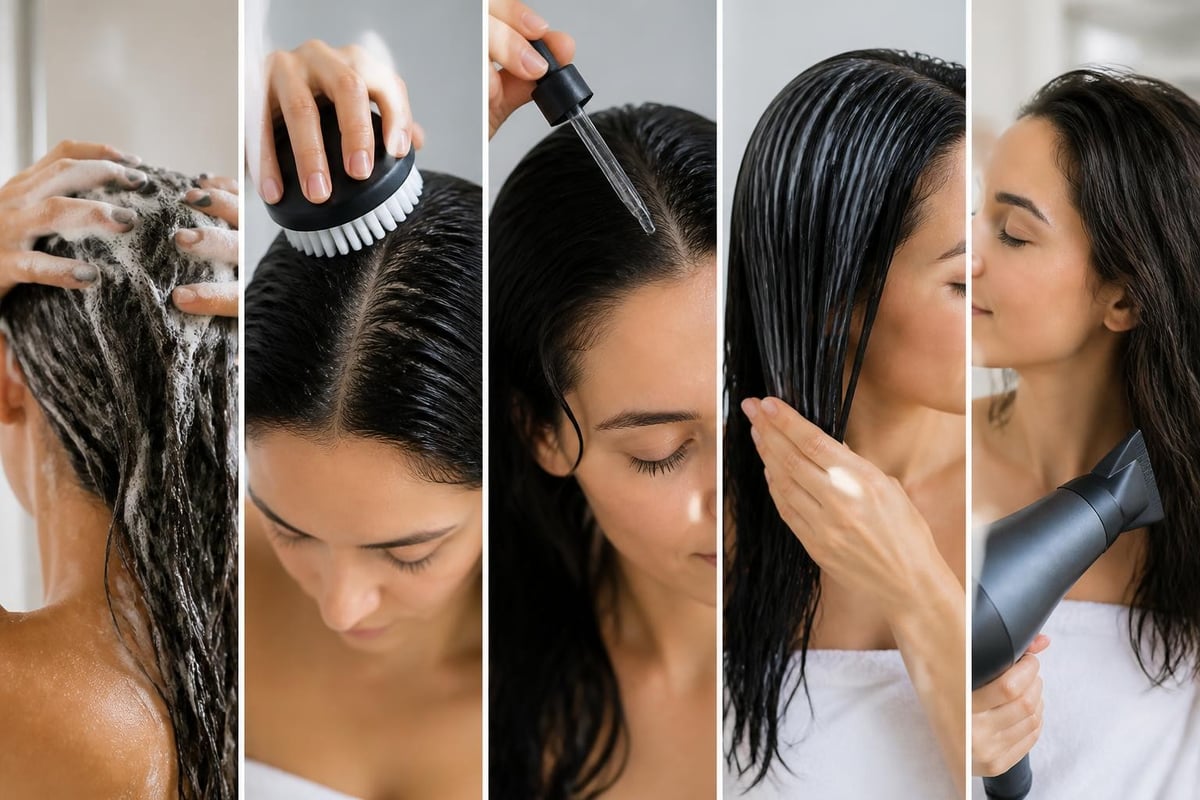
When a client comes to me with persistent scalp odor, here's the exact protocol I follow:
Step 1: Clarify the Scalp
Start with a clarifying shampoo to remove surface buildup. Apply to dry hair first, focusing on the scalp. Add a small amount of water to create a light lather, then rinse. Shampoo again with the clarifying formula, this time on wet hair, and massage the scalp for 60-90 seconds.
Step 2: Mechanically Exfoliate
While the scalp is still damp, apply a scalp scrub and use gentle circular motions with your fingertips (never nails). This physical exfoliation removes dead skin cells and loosened buildup. Rinse thoroughly.
Step 3: Apply Targeted Treatment
If bacterial or fungal overgrowth is suspected, apply a treatment containing tea tree oil, salicylic acid, or pyrithione zinc. Leave on for 3-5 minutes before rinsing.
Step 4: Condition Correctly
Apply conditioner only from the mid-lengths to the ends. Keeping conditioner away from the scalp prevents additional buildup.
Step 5: Dry Completely
Never go to bed with damp hair. A damp scalp creates the perfect environment for bacterial and fungal growth. Blow dry on a medium setting, focusing airflow on the roots.
The Hard Water Problem: Why Your Location Matters
Hard water deserves special attention because it's so often overlooked. If you've moved recently and suddenly developed a smelly scalp, hard water is the likely culprit. The minerals in hard water create a film on your hair shaft that soap and shampoo can't fully remove.
This film does three things that contribute to smelly hair:
- Creates a barrier that prevents proper cleansing
- Provides a surface for bacteria to colonize
- Locks in odor molecules
Testing for hard water: You can purchase test strips online for under $10, or simply notice whether soap lathers well in your shower. If it doesn't, you have hard water.
Solutions for hard water:
- Install a shower filter – Removes minerals before they contact your hair
- Use a chelating shampoo monthly – Specifically formulated to break down mineral deposits
- Rinse with distilled water – As a final rinse after conditioning to remove mineral residue
- Add citric acid – Mix 1 teaspoon of citric acid powder into 2 cups of water for a clarifying rinse
I've seen clients completely resolve smelly scalp issues within two weeks just by addressing hard water buildup.
Frequently Asked Questions About Smelly Scalp
How Often Should I Use Clarifying Shampoo for Smell?
If you're actively dealing with scalp odor, use a clarifying shampoo twice a week for the first two weeks, then reduce to once a week for maintenance. Once the smell is completely gone, you can clarify every 7-10 days depending on how much product you use. People who use minimal styling products may only need to clarify every two weeks.
Does Apple Cider Vinegar Work for Smelly Scalp?
Apple cider vinegar (ACV) can help balance scalp pH and has mild antimicrobial properties. Mix 2 tablespoons of ACV with 1 cup of water and use as a final rinse after shampooing. However, ACV alone won't remove heavy buildup or hard water deposits. Think of it as a maintenance tool, not a primary treatment.
How Can I Tell if My Smelly Scalp Is Seborrheic Dermatitis?
This is an important distinction. Seborrheic dermatitis is a medical condition that requires diagnosis and treatment by a dermatologist. Warning signs include:
- Persistent flaking that doesn't respond to dandruff shampoo
- Red, inflamed patches on the scalp
- Greasy, yellowish scales rather than dry flakes
- Itching that's severe or constant
- Odor that persists despite proper cleansing
If you have these symptoms, especially if they've lasted more than two weeks, see a dermatologist. Research published in the National Institutes of Health demonstrates that untreated scalp conditions can impact hair health and growth through oxidative stress.
Can My Diet Affect Scalp Smell?
Yes, though it's usually not the primary cause. Diets high in processed foods, sugar, and unhealthy fats can increase sebum production and alter its composition. Some people notice their scalp smells different after eating foods high in sulfur (garlic, onions) or certain spices. Staying hydrated and eating a balanced diet supports overall scalp health.
Should I Wash My Hair More or Less If It Smells?
This depends on the cause. If smell is from external recontamination (hats, sweat), you may need to wash more frequently. If it's from over-washing that's triggered increased oil production, you need to gradually extend time between washes. Start with every other day and adjust based on how your scalp responds. Understanding whether you have an oily scalp helps you determine the right washing frequency.
When Home Remedies Aren't Enough
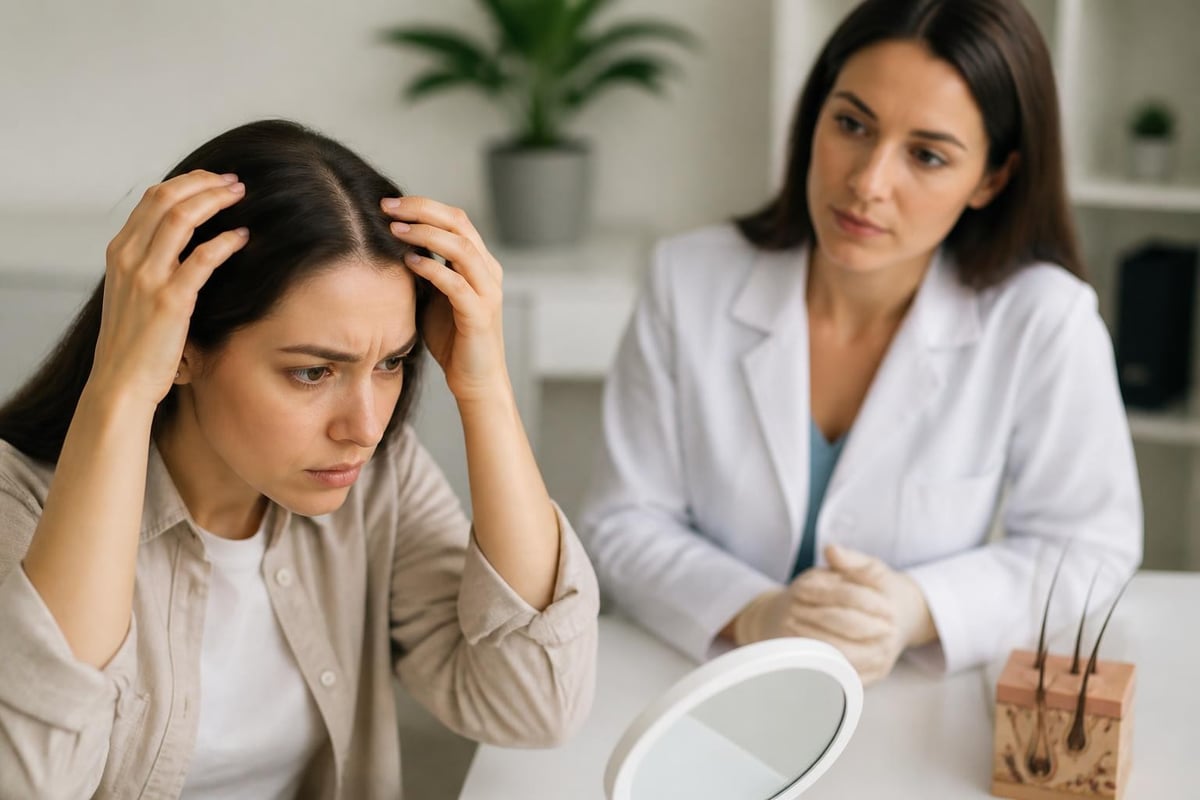
I want to be clear about something important: if you've tried the approaches I've outlined for three to four weeks and your smelly scalp persists, it's time to see a dermatologist. Some conditions require prescription treatments.
See a medical professional if:
- Odor continues despite proper cleansing and clarifying
- You develop painful sores or lesions on your scalp
- You notice sudden, significant hair loss
- The smell is accompanied by severe itching or bleeding
- Over-the-counter treatments cause irritation or worsening symptoms
Certain scalp conditions, including seborrheic dermatitis, folliculitis, and fungal infections, need medical diagnosis and treatment. There's no shame in seeking professional help. In fact, that's the responsible choice when dealing with persistent scalp health issues.
Tools and Products That Actually Help
Beyond shampoos and treatments, certain tools can help you maintain a healthy, odor-free scalp:
Scalp brushes: Silicone scalp brushes with flexible bristles help distribute shampoo evenly and provide gentle exfoliation during washing. Use circular motions for 60-90 seconds.
Shower filters: If you have hard water, this is non-negotiable. A good shower filter removes chlorine, heavy metals, and minerals that contribute to buildup.
Microfiber towels: Regular cotton towels can harbor bacteria and mildew if not fully dried between uses. Microfiber towels dry faster and stay fresher longer.
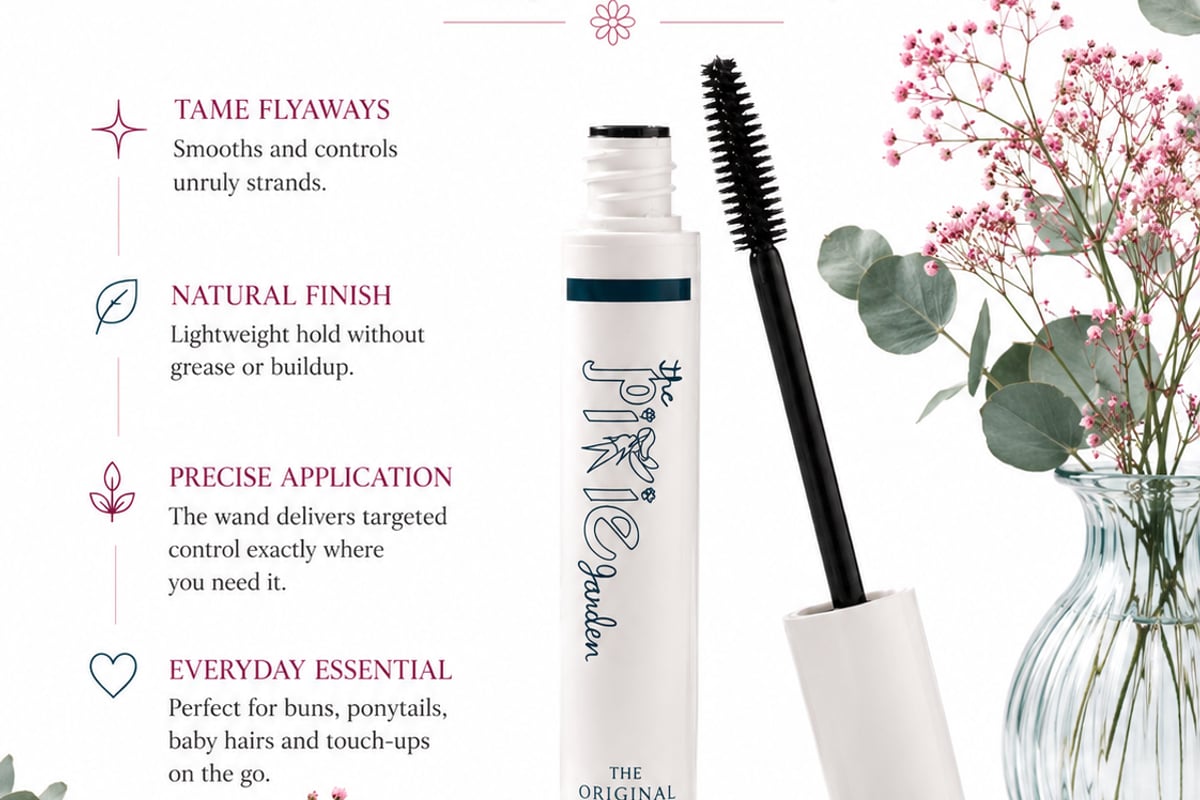
Finishing products: When dealing with flyaways or frizz after addressing scalp issues, precision tools help you style without adding heavy products back to your hair. A lightweight, water-based finishing stick can target specific areas without reintroducing buildup that contributes to scalp odor.
For those finishing touches that complete your polished look without weighing down freshly cleansed hair, the Hair Finishing Stick uses an alcohol-free, water-based formula that delivers flexible hold without residue or crunch.
Building a Long-Term Scalp Health Routine
Once you've resolved the immediate smelly scalp issue, maintaining results requires consistency. Here's the weekly routine I recommend:
Week 1-2 (Active treatment):
- Clarifying shampoo twice weekly
- Scalp scrub once weekly
- Regular shampoo on other days
- Condition mid-length to ends only
Week 3-4 (Transition):
- Clarifying shampoo once weekly
- Scalp scrub once weekly
- Regular shampoo on other days
- Monitor for any returning odor
Ongoing maintenance:
- Clarifying shampoo every 7-10 days
- Scalp scrub twice monthly
- Regular shampoo as needed
- Deep clean brushes weekly
- Wash pillowcases twice weekly
This maintenance schedule prevents buildup from returning while allowing your scalp's natural oil production to normalize.
Real Results: A Client Success Story
One of my clients came to me frustrated after six months of dealing with what she described as a "gym locker smell" that appeared by mid-afternoon, even though she showered every morning. She'd tried different shampoos, washed twice daily, and even cut her hair short thinking length was the problem.
We traced the issue to three factors: she wore a fitted baseball cap to the gym five mornings a week, she had moderately hard water at home, and she was using a heavy, silicone-based smoothing serum on her roots to control flyaways.
Our protocol:
- Week 1: Introduced chelating treatment for hard water, switched to clarifying shampoo twice weekly
- Week 2: Added weekly scalp scrub, stopped applying serum to roots, began washing the gym cap after every workout
- Week 3: Reduced clarifying to once weekly, continued scalp scrub
- Week 4: Smell completely resolved
She maintained results by clarifying weekly, washing the cap regularly, and keeping conditioner and styling products away from her scalp. The whole process took two weeks to see improvement and four weeks for complete resolution. If you're dealing with stubborn flyaways after resolving scalp issues, there are targeted solutions that won't reintroduce heavy buildup.
The Connection Between Scalp Health and Overall Hair Quality
Addressing smelly scalp isn't just about eliminating odor. A healthy scalp is the foundation for healthy hair growth. When your scalp is clogged with buildup, dealing with bacterial overgrowth, or coated in hard water minerals, your hair follicles can't function optimally.
I've noticed that clients who resolve chronic scalp issues often report:
- Improved hair texture and shine
- Better product performance
- Easier styling
- Reduced breakage at the root
- More volume and movement
Your scalp is skin, and it deserves the same attention you give to facial skincare. Regular cleansing, occasional exfoliation, and protection from environmental stressors all contribute to both scalp health and hair quality.
For those interested in professional-grade treatments that support scalp health at a deeper level, exploring options like scalp microchanneling treatments can complement your at-home routine.
Dealing with a smelly scalp is frustrating, but it's almost always solvable once you identify the underlying cause. Whether it's product buildup, hard water deposits, or bacterial overgrowth, the right combination of clarifying, exfoliating, and proper cleansing technique can restore your scalp to a healthy, odor-free state. If you're looking for styling products and accessories designed with scalp health in mind, The Pixie Garden offers cosmetologist-curated selections that deliver professional results without heavy buildup. Every product I select is tested in real salon conditions to ensure it performs without compromising the scalp health you've worked hard to achieve.
