

Best Products for Flyaway Hair: What I Reach For
Delena MarklandThe right products for flyaway hair depend entirely on what's causing them in the first place. Static, breakage, humidity, and new growth all create flyaways, but they each need a different solution. I'm Delena, a licensed cosmetologist and salon owner, and I've spent years testing every product category that promises to smooth those stubborn wispy hairs. Some deliver exactly what they promise. Others leave you with crunchy hair or greasy buildup by noon. In this article, I'm ranking the six product types I actually reach for behind the chair, with honest assessments of when each one works and when it absolutely fails.
1. Finishing Stick (Water-Based, Alcohol-Free Formula)
This is my number one recommendation for products for flyaway hair, and it's what I keep at every single station in my salon. A finishing stick gives you precision control without the residue, crunch, or grease that ruins other flyaway solutions.
Why I Rank This First
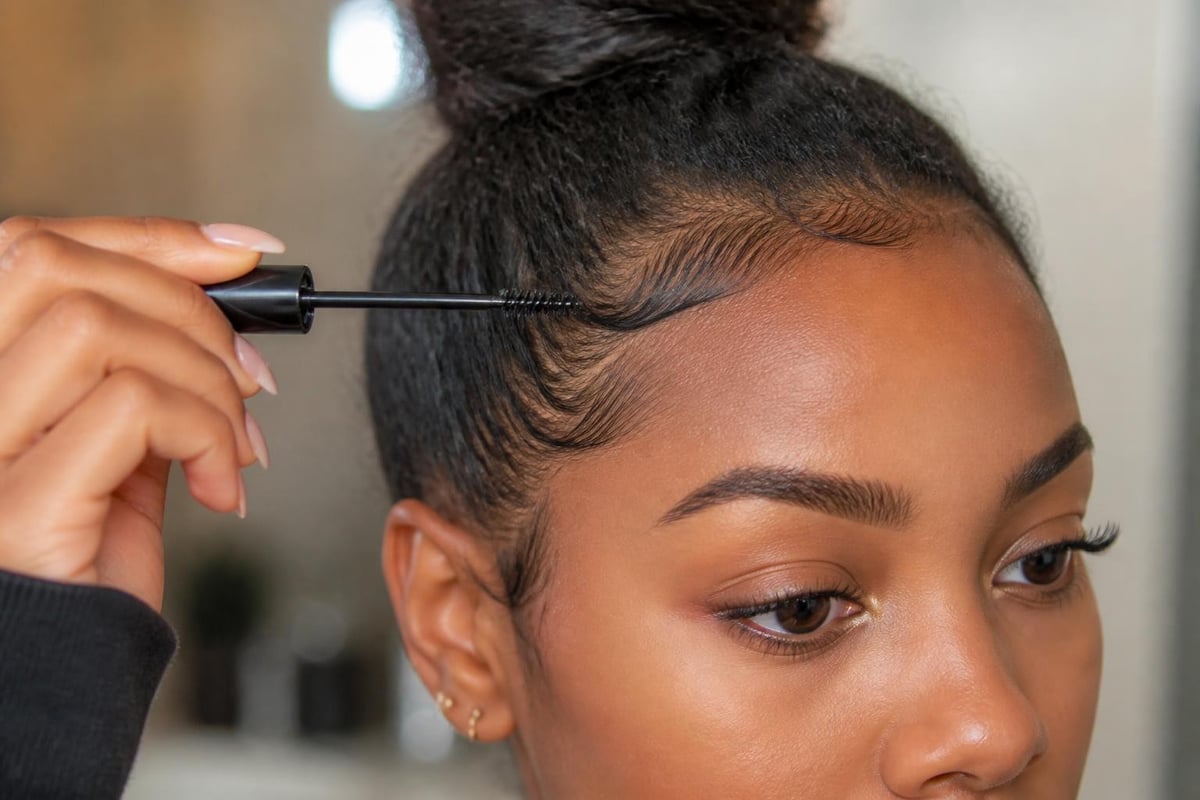
The best product for flyaway hair is one that targets only the hairs you want to smooth, without affecting the rest of your style. A mascara-style wand lets you brush down baby hairs at the hairline, smooth flyaways along a part, or tame wisps around a ponytail with surgical precision. When the formula is water-based and alcohol-free, you get flexible hold that lasts all day without stiffness.
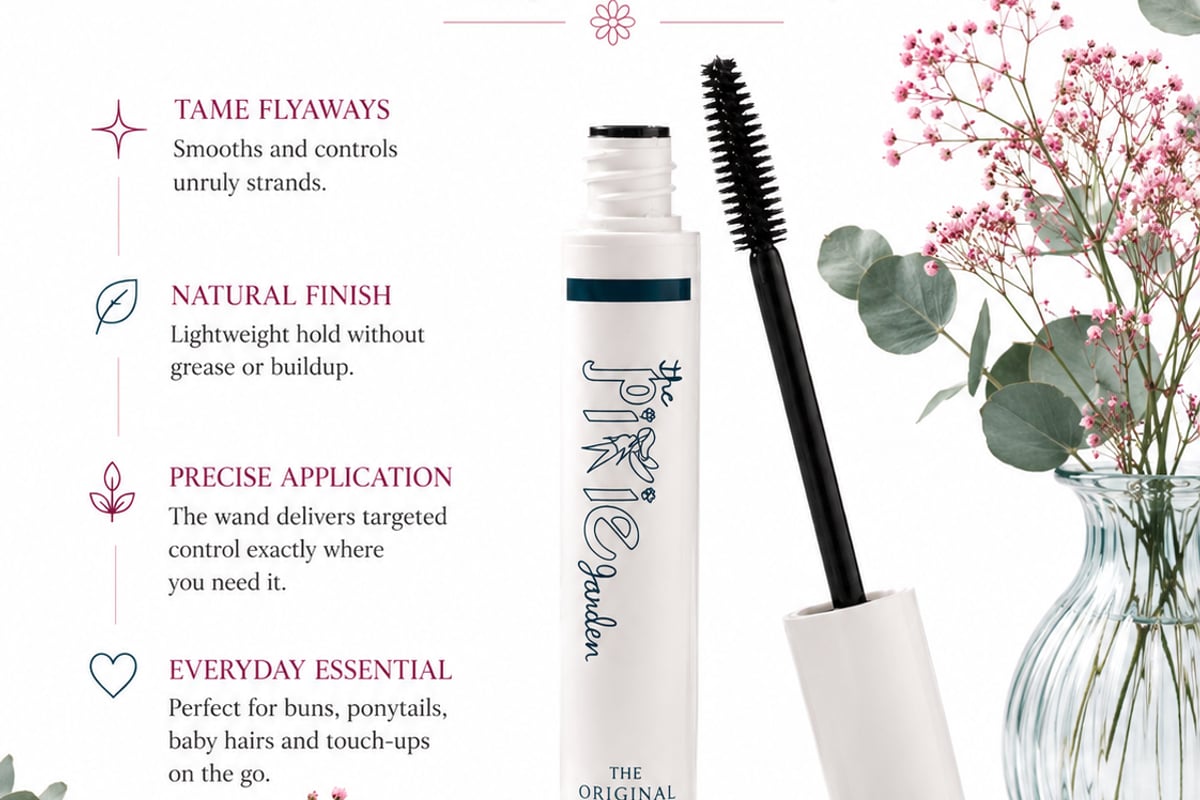
I hand-selected and salon-tested the hair finishing stick at The Pixie Garden specifically because it delivers professional results without any of the drawbacks that make clients hate their flyaway products. It's lightweight, non-sticky, and works on every hair type from fine and straight to thick and curly.
Key Benefits:
- Pinpoint accuracy on individual flyaways
- No residue, grease, or crunch
- Works on wet or dry hair
- Vegan and free of drying alcohols
- Doesn't flatten or weigh down your overall style
When It Fails:
Finishing sticks struggle with extreme humidity if you're spending hours outdoors. They're also not ideal for smoothing large sections of frizzy hair-that's a job for a cream or serum.
| Product Type | Hold Level | Residue Risk | Best For |
|---|---|---|---|
| Finishing Stick (Water-Based) | Medium-Strong | None | Baby hairs, hairline, part lines, precision work |
| Leave-In Cream | Light-Medium | Low | Humidity protection, longer hair, all-over smoothing |
| Smoothing Serum (Oil-Based) | Light | Medium | Shine, frizz reduction, thick or coarse hair |
| Light Hairspray | Medium | High (if alcohol-based) | Quick fix, all-over mist, fine hair |
| Dryer Sheet Trick | Very Light | Low | Emergency static, travel, quick touchups |
| Clear Brow Gel | Light-Medium | Low | Ultra-fine baby hairs, short wisps, minimal product |
2. Leave-In Smoothing Cream
Leave-in creams are the second hair product for flyaways I recommend, especially for clients dealing with humidity or longer hair that needs all-over frizz control. These products work by coating the hair shaft and creating a barrier against moisture in the air.
Application and Performance
You apply smoothing creams to damp hair before blow-drying, or as a finishing touch on dry hair. The emollients and conditioning agents smooth the cuticle and reduce static. For someone with shoulder-length or longer hair who experiences flyaways throughout their style (not just at the hairline), a cream provides broader coverage than a finishing stick.
According to expert recommendations from Vogue, smoothing creams work best when applied in small amounts and distributed evenly through mid-lengths and ends.
Pros:
- Excellent humidity protection
- Adds softness and manageability
- Works well for thick, coarse, or textured hair
- Can be layered with other products
Cons:
- Easy to over-apply and create greasiness
- Can weigh down fine hair
- Takes practice to find the right amount
- Usually can't target specific flyaways
When Creams Fail
If you have fine or thin hair, most creams will flatten your style by the end of the day. They also struggle with static electricity in dry winter months because they don't address the underlying electrical charge.
3. Smoothing Serum (Oil-Based or Silicone-Based)
Serums are the third category of products for flyaway hair, and they excel at adding shine while smoothing frizz. I reach for serums when a client wants a glossy finish on thick, coarse, or very dry hair.
Oil-based serums typically contain argan oil, coconut oil, or other botanical oils. Silicone-based serums use dimethicone or cyclomethicone to create slip and shine. Both types coat the hair shaft, but they feel different and suit different hair types.
Oil-Based Serums:
- Best for: Coarse, thick, curly, or very dry hair
- Benefit: Natural ingredients, nourishing
- Drawback: Can feel heavy, takes longer to absorb
Silicone-Based Serums:
- Best for: Fine to medium hair that needs shine
- Benefit: Lightweight, instant smoothness
- Drawback: Can build up over time, requires clarifying
The Grease Factor
This is where serums often fail. One pump too many and your hair looks oily within hours. Makeup.com suggests starting with a single drop and adding more only if needed, but most people skip that advice and end up with greasy roots.
I've also noticed that serums struggle with baby hairs and very short flyaways because the oil weight pulls them down temporarily but doesn't hold them in place. By midday, those wisps spring back up.
4. Light Hairspray (Flexible-Hold Formula)
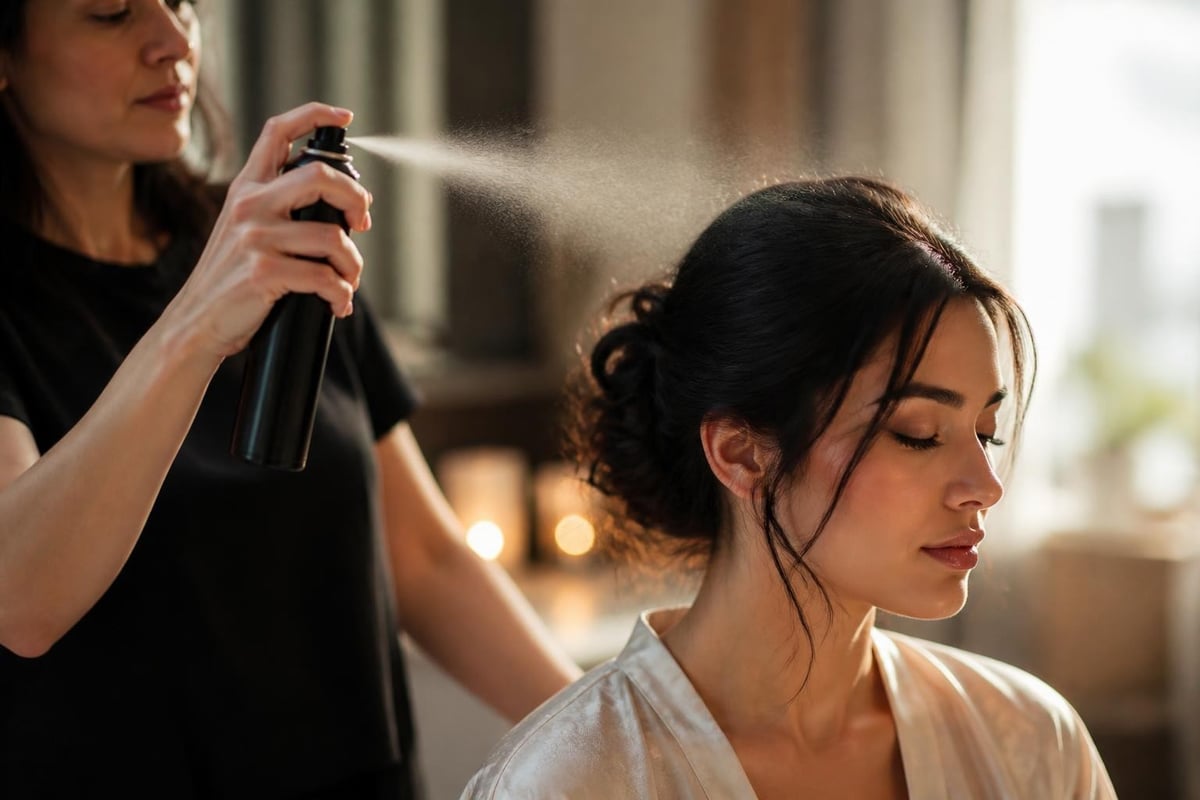
Hairspray ranks fourth for me because it's incredibly convenient but comes with significant trade-offs. A light-hold, flexible hairspray can smooth flyaways quickly when you mist it over your finished style, but most formulas contain alcohol that dries out hair over time.
The Alcohol Problem
High alcohol content gives hairspray its quick-dry property, but it also creates brittleness and can actually generate more breakage-related flyaways in the long run. When you use hairspray daily, you're in a cycle: the product that's supposed to fix flyaways is creating the conditions for more of them.
That said, I still keep hairspray in my kit for clients who need a fast fix before an event or who prefer the familiar ritual of a finishing spray. Who What Wear's product reviews highlight several alcohol-free options that perform better for daily use.
- Quick application for all-over smoothing
- Familiar and easy to use
- Works well for updos and structured styles
- Can add light texture while controlling flyaways
When Hairspray Fails:
Alcohol-based hairsprays make flyaways worse over time by drying out hair and causing breakage. They also create crunch and stiffness that feels unnatural. If you have fine hair and apply too much, your style collapses. Hairspray also doesn't work well in high humidity because it can become sticky.
5. Dryer Sheet Hack
This one surprises clients every time, but it's a legitimate emergency solution for static-related flyaways. You take a clean dryer sheet (the kind you'd use in your laundry) and gently smooth it over your hair. The anti-static properties neutralize the electrical charge that's making your hair stand up.
When and Why This Works
Static flyaways happen most often in winter when indoor heating dries out the air. You see them after removing a hat, after brushing, or when wearing certain fabrics. A dryer sheet addresses the root cause (electrical charge) rather than just coating hair with product.
Pros:
- Instantly eliminates static
- No residue or buildup
- Perfect for travel or emergencies
- Works on all hair types
Cons:
- Temporary fix (lasts a few hours at most)
- Doesn't address other flyaway causes
- Not suitable for daily use
- Can transfer fragrance to hair
I keep a dryer sheet in my purse and recommend clients do the same. It's saved me during coat-season salon days when static is unavoidable.
6. Clear Brow Gel
Clear brow gel is my sixth recommendation, and it's specifically for ultra-fine baby hairs that won't stay down with any other product. The formula is designed to hold tiny hairs in place without visible residue, and the small spoolie brush gives you control.
Marie Claire's review of flyaway wands includes brow gels as a category because they work on the same principle as finishing sticks but with even lighter formulas.
Application Technique
You brush the clear gel onto baby hairs at the hairline using short, downward strokes. The gel sets quickly and creates an invisible hold. This works beautifully for slicked-back styles, high ponytails, or any look where you want absolute control at the hairline.
Limitations:
Brow gel can only handle very small sections of hair. If you have flyaways throughout your style, this product won't help. It also doesn't address the underlying cause of flyaways (whether that's breakage, humidity, or static), so you're just managing symptoms.
The formula can feel stiff on thicker flyaways, and some brow gels contain alcohol that dries out delicate baby hairs over time. You also need to replace the product frequently because the small tubes don't last long with regular use.
A Chair-Side Story About Misdiagnosed Flyaways
Last month, a client came in frustrated because she'd tried every product on this list and still had flyaways framing her face. She'd spent hundreds of dollars on serums, creams, and specialty wands. Nothing worked for more than an hour.
When I examined her hair closely under good light, I realized those weren't flyaways from static or humidity. They were breakage. She had a ring of short, broken hairs around her hairline from pulling her ponytail too tight every single day. No hair product for flyaways would solve that problem because the issue wasn't about smoothing existing hair but about stopping the damage that was creating new broken pieces.
We adjusted her hair care routine to include gentler styling methods, and I recommended she switch to silk scrunchies and looser styles for a few months. The "flyaways" stopped appearing because we addressed the root cause.
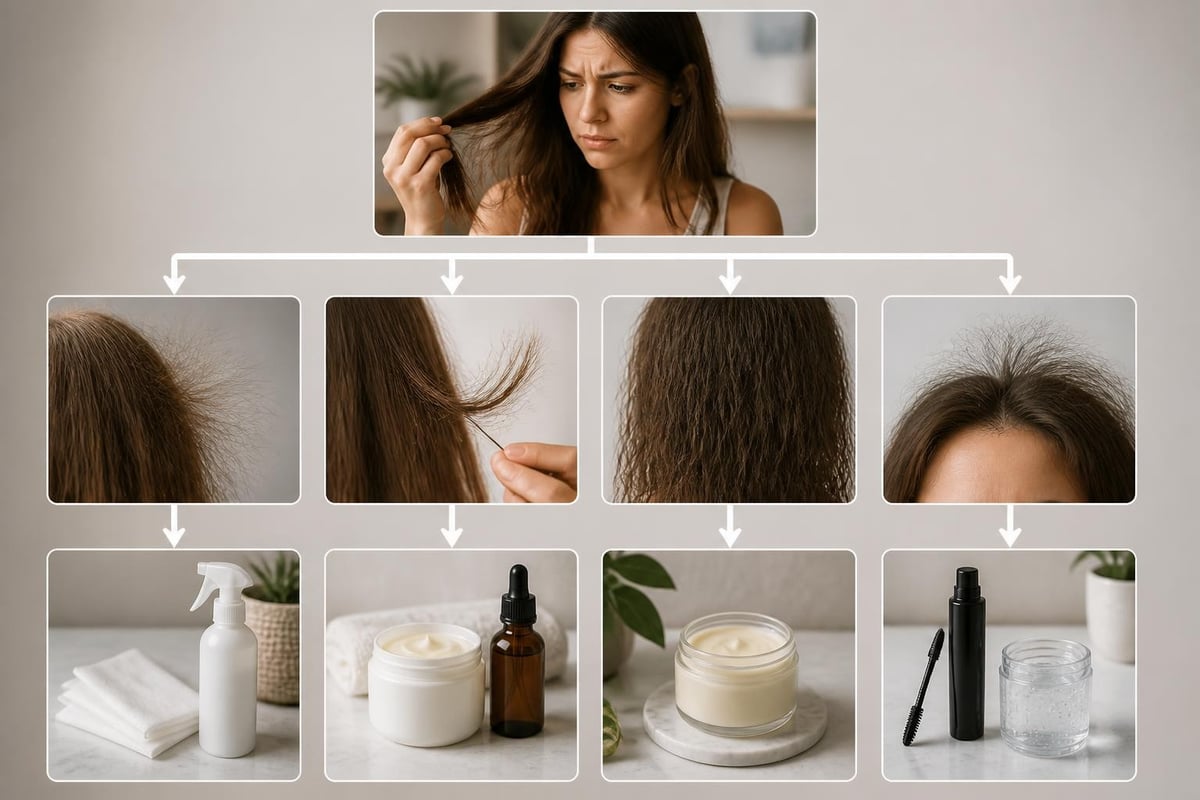
This is why I always tell clients to identify what's causing their flyaways before buying products. Static needs anti-static solutions. Humidity needs moisture barriers. Breakage needs gentler handling and protein treatments. New growth (like postpartum baby hairs) just needs smoothing products while those hairs grow longer.
Product Type Comparison: Hold, Residue, and Best-Use Cases
Here's how these six product types compare across the factors that matter most in daily use:
| Product Type | Hold Duration | Residue Level | Crunch Factor | Works on Damp Hair | Best Hair Type |
|---|---|---|---|---|---|
| Finishing Stick (Water-Based) | 8-12 hours | None | None | Yes | All types |
| Leave-In Cream | 6-10 hours | Low | None | Yes (best application) | Medium to thick |
| Oil/Silicone Serum | 4-8 hours | Medium | None | Yes | Thick, coarse, dry |
| Light Hairspray | 4-6 hours | Low to High | Medium to High | No | Fine to medium |
| Dryer Sheet | 2-4 hours | Very Low | None | No | All types (static only) |
| Clear Brow Gel | 6-8 hours | Very Low | Low to Medium | No | Fine baby hairs only |
Frequently Asked Questions About Flyaway Products
What's the Difference Between Flyaways and Frizz?
Flyaways are individual hairs that stick up or out from your style, usually shorter hairs around the hairline or new growth. Frizz is a texture issue where the entire surface of your hair looks rough, undefined, or poofy due to raised cuticles. You need different products for each. Flyaways need targeted hold (like a finishing stick), while frizz needs moisture and cuticle-smoothing ingredients (like a cream or serum).
Why Does Hairspray Make My Flyaways Worse?
Alcohol-based hairsprays dry out your hair shaft over time, which leads to breakage and creates more short, broken hairs that become flyaways. The stiffness from hairspray can also cause hair to snap when brushed. If you're using hairspray daily and seeing more flyaways over months, the product itself may be causing the problem.
Why Do I Still Have Flyaways After Keratin Treatment?
Keratin treatments smooth the hair shaft and reduce frizz, but they don't prevent new growth or address static electricity. Postpartum baby hairs, regrowth along your part, and static from dry weather will still create flyaways. You'll need a finishing product for those specific areas even with chemically straightened hair.
Can I Use Multiple Products Together?
Yes, but layer them strategically. Apply cream to damp hair before blow-drying for all-over smoothing, then use a finishing stick on dry hair to target specific flyaways at the hairline or part. Avoid layering oil serums with water-based sticks because they don't mix well and can create patchiness.
Do Natural Hair Types Need Different Products for Flyaways?
Textured, curly, and coily hair types usually experience frizz rather than traditional flyaways, but you can still get wisps and baby hairs that need smoothing. Look for products that don't contain drying alcohols and that work well with your curl pattern. Water-based finishing sticks work beautifully on natural hair because they provide hold without disrupting your curl definition. Understanding high porosity hair can also help you choose products that work with your hair's moisture needs.
What About the Dyson Flyaway Attachment?
Dyson's Flyaway attachment for the Supersonic dryer uses airflow to smooth flyaways during the drying process. It's a tool solution rather than a product solution, and it works well for people who blow-dry their hair regularly. You still need a finishing product afterward for targeted control, but the Dyson attachment reduces the number of flyaways you're working with.
My Final Product Rankings for Different Scenarios
Best for Daily Use Across All Hair Types: Water-based finishing stick with precision applicator
Best for Humidity and All-Over Smoothing: Leave-in cream applied to damp hair
Best for Shine on Thick Hair: Oil-based smoothing serum in minimal amounts
Best for Quick Fixes Before Events: Light-hold flexible hairspray (alcohol-free preferred)
Best for Emergency Static Control: Dryer sheet hack or anti-static spray
Best for Ultra-Fine Baby Hairs in Slicked Styles: Clear brow gel with spoolie brush
The key to choosing the right products for flyaway hair is understanding what's causing yours in the first place. I've seen too many clients waste money on products that don't address their specific issue. A finishing stick won't help if your flyaways are caused by breakage from tight ponytails. A smoothing cream won't solve static electricity in winter. A serum won't hold baby hairs in place for a sleek updo.
Start by identifying your cause, then choose the product type that addresses it directly. Keep a finishing stick for daily touchups regardless of your primary cause, because it's the most versatile tool for targeted flyaway control without affecting your overall style.
For professional-grade products that deliver salon results, explore The Pixie Garden's styling collection. Every product is hand-selected and tested by a licensed cosmetologist to ensure it performs exactly as promised.
Choosing the right products for flyaway hair transforms your daily styling routine from frustrating to effortless, but only when you match the product type to your specific cause. I've tested hundreds of formulas over my years behind the chair, and the rankings in this article reflect what actually works in real-world conditions, not just in marketing claims. If you're ready to invest in professional-quality styling products that deliver polished results without the crunch, residue, or guesswork, The Pixie Garden offers cosmetologist-curated solutions designed for exactly that purpose.
