

Alcohol Free Hairspray: Safer Styling Alternatives
Delena Markland"If you're searching for an alcohol-free alternative to hairspray, you deserve a product that holds your style without the drying damage that traditional aerosol formulas cause." That's the answer I give every client who walks into my chair asking why their ends feel brittle after using conventional hairspray. As a licensed cosmetologist, I've seen firsthand how alcohol-based formulas strip moisture from hair over time, and I've watched the industry shift toward gentler, more targeted solutions. The conversation around alcohol free hairspray isn't just about eliminating one ingredient-it's about rethinking how we approach the final step in our styling routine.
Understanding Alcohol in Traditional Hairspray Formulas
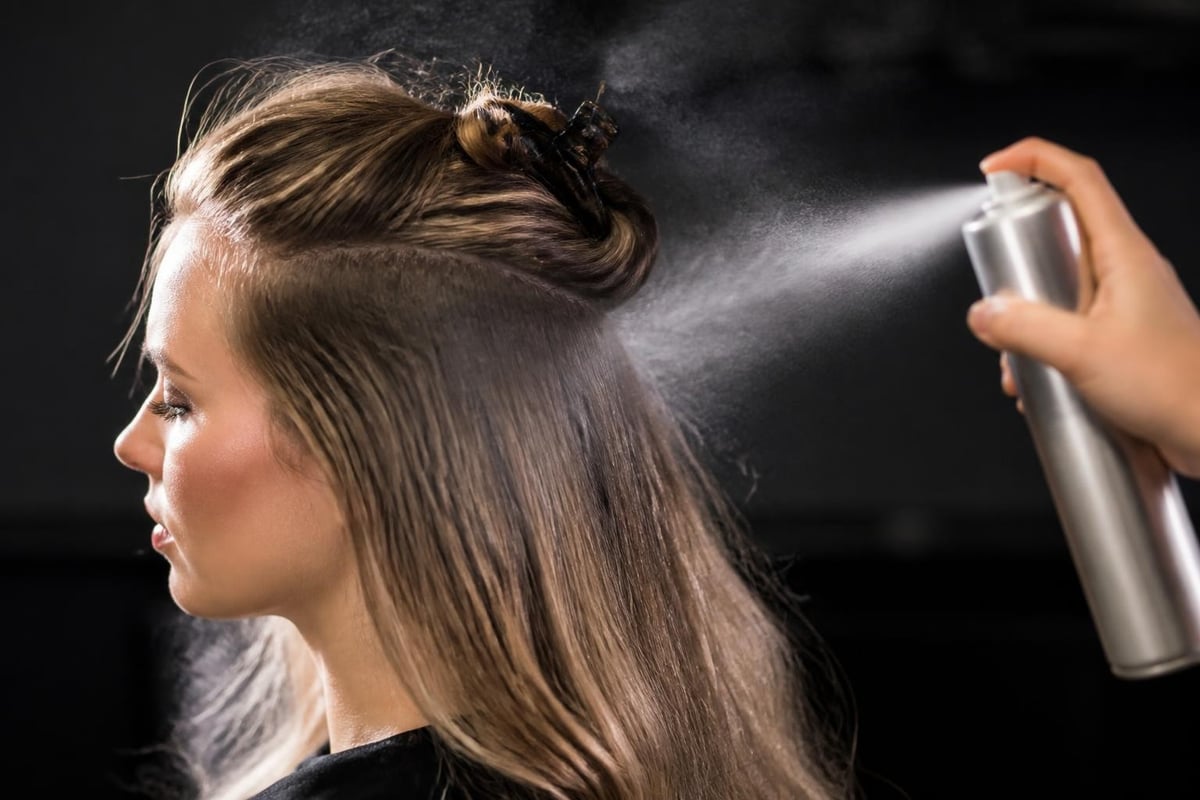
Traditional hairsprays rely heavily on alcohol as their primary solvent and drying agent. When you spray a conventional product, the alcohol evaporates quickly to set the polymers that create hold. This rapid evaporation is exactly what makes aerosol hairspray convenient, but it's also what makes it problematic for hair health.
The role alcohol plays in a hair product goes well beyond drying time. Alcohols like SD Alcohol 40, denatured alcohol, and isopropyl alcohol are classified as "drying alcohols" that strip the natural moisture barrier from your hair shaft. Every time you apply these formulas, you're essentially dehydrating the outer cuticle layer.
The Science Behind Alcohol-Based Drying
When alcohol evaporates from your hair, it doesn't just take itself away. It pulls water molecules from within the hair shaft along with it. This process happens on a microscopic level:
- Hair cuticles lift and become rougher
- Internal moisture balance becomes disrupted
- Protein structures become more brittle over time
- Natural oils get stripped from the surface
The result is hair that looks dull, feels rough, and breaks more easily with repeated use. I've had clients who used hairspray daily for years, wondering why their hair felt increasingly straw-like despite regular conditioning treatments.
The Case for Alcohol Free Hairspray Alternatives
The movement toward alcohol-free formulations represents a fundamental shift in how we think about hair finishing products. Building soft, flexible hold without alcohol takes different polymer systems and delivery mechanisms, but the benefits are substantial.
Water-based formulas preserve the hair's natural moisture balance. Instead of rapid evaporation through alcohol, these products use alternative setting mechanisms that don't require stripping moisture to create hold. The polymers suspend in water or other gentle solvents that don't disrupt the hair's protective layer.
Key Benefits of Going Alcohol-Free
Moisture Retention: Your hair maintains its natural hydration levels throughout the day. This is particularly crucial for anyone dealing with high porosity hair, which already struggles to retain moisture.
Reduced Damage: Without constant moisture depletion, your hair shaft stays stronger and more resilient. The cumulative effect over months becomes dramatic-hair that used to break easily starts showing improved elasticity and strength.
Scalp Sensitivity: Alcohol-based sprays can irritate sensitive scalps, causing itching, flaking, or inflammation. Alcohol-free formulas are gentler on both hair and skin, which matters most for anyone already dealing with a reactive or flaky scalp.
Flexible Hold: Modern alcohol-free formulas provide hold without the crunchy, stiff texture that characterizes many traditional hairsprays. Your hair moves naturally while maintaining the style.
Comparing Hairspray to Targeted Finishing Solutions
Here's where my professional experience diverges from conventional wisdom. For years, the hair industry positioned hairspray as the universal finishing product. But targeted solutions often outperform full-coverage aerosol products, especially when formulated without alcohol.
| Feature | Traditional Hairspray | Hair Finishing Stick |
|---|---|---|
| Alcohol Content | High (often 40-60% formula) | None (water-based gel) |
| Application Precision | Full-head coverage, difficult to target | Precise wand application for specific areas |
| Texture After Application | Often stiff, crunchy finish | Flexible hold, natural movement |
| Reapplication | Requires washing to avoid buildup | Easy touch-ups without layering issues |
| Best Use Case | Overall style setting | Flyaways, baby hairs, edges, finish work |
The distinction matters more than most people realize. When you spray hairspray across your entire style, you're applying a drying agent to areas that don't necessarily need additional hold. Your roots might be secure, but you're still coating them. Your mid-lengths might have perfect body, but they're getting the same alcohol exposure as your flyaway-prone crown.
The Targeted Approach to Finishing
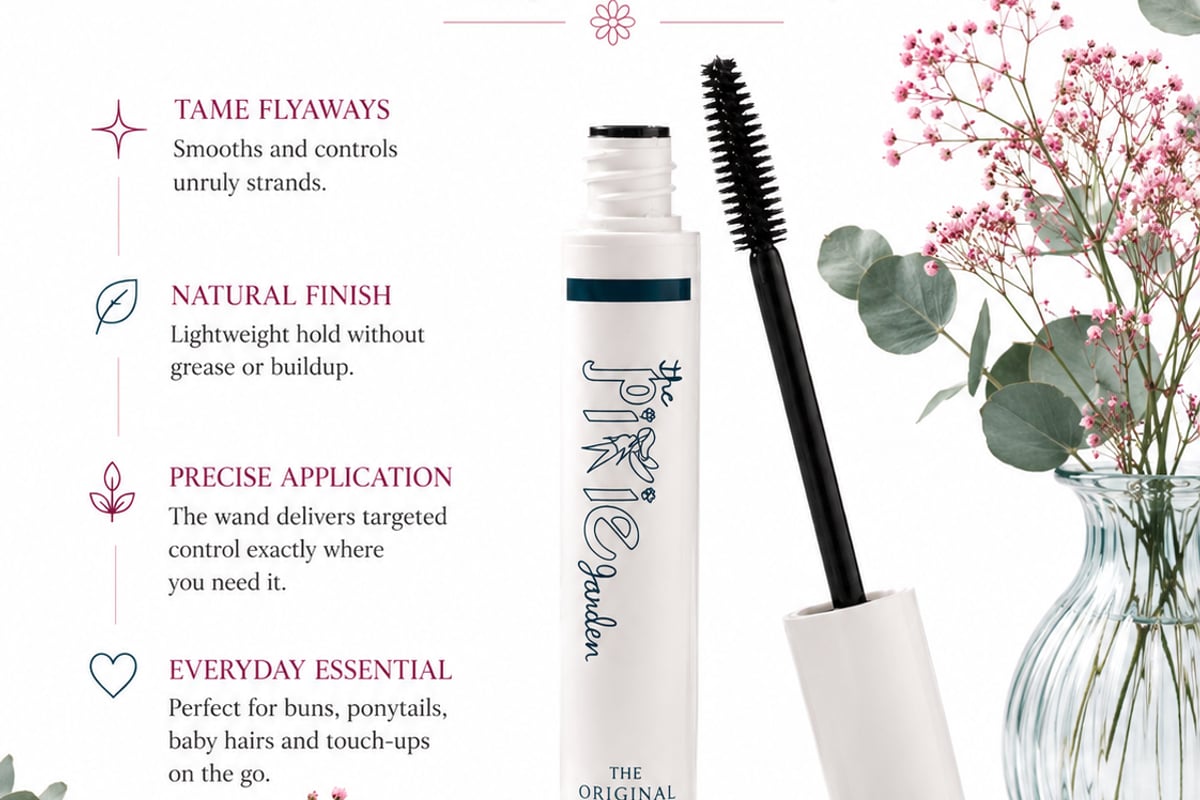
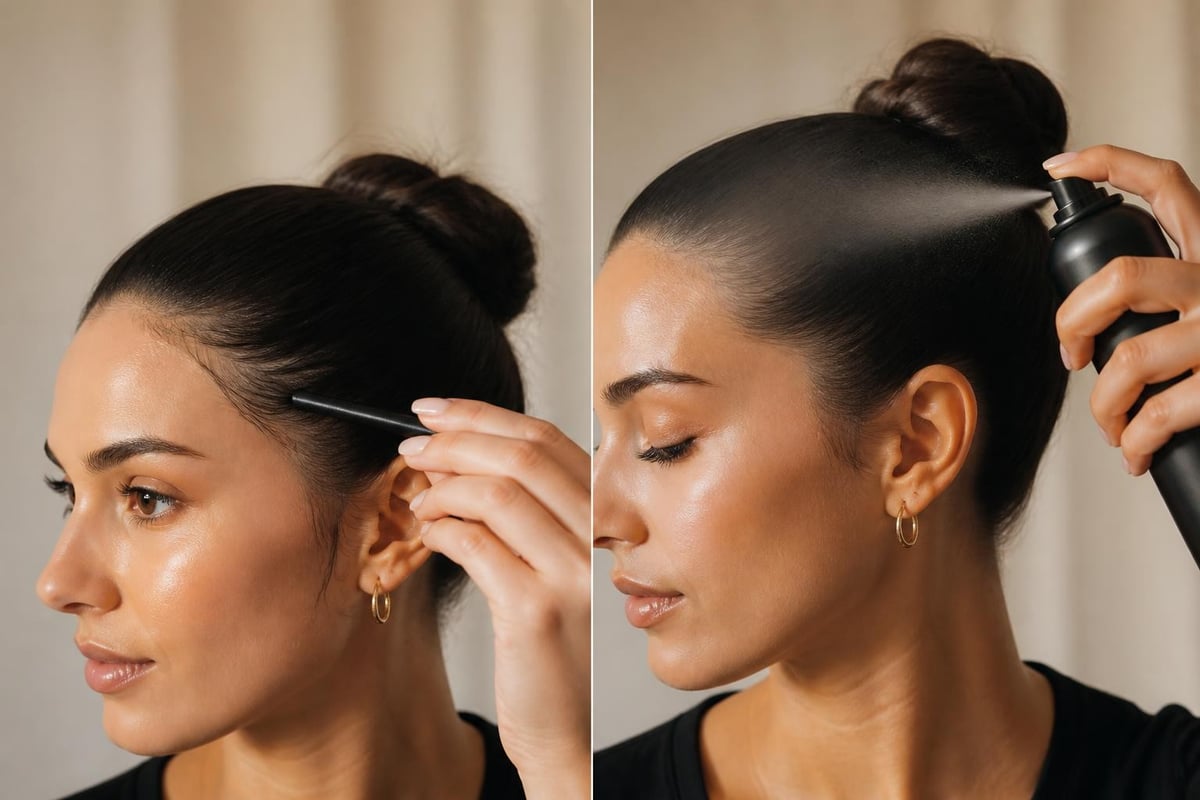
I keep a Hair Finishing Stick at every styling station in my salon because precision matters. This alcohol-free, water-based gel stick applies exactly where you need control-along the hairline for baby hairs, at the crown for flyaways, or along parts for a clean finish. The mascara-style wand delivers product to specific strands without overapplying to surrounding hair.
The formula provides flexible, all-day hold without stiffness, residue, or that tell-tale crunch that signals "I'm wearing hairspray." For clients with fine hair, curly textures, or anyone conscious about maintaining moisture balance, this targeted approach prevents the cumulative drying that traditional aerosol formulas cause.
Real Client Case: From Crunchy Ends to Flexible Finish
Let me share a specific example from my chair. Sarah came to me three months ago with shoulder-length hair that looked healthy at the roots but progressively drier toward the ends. When I asked about her hair care routine, she mentioned using a popular aerosol hairspray twice daily-once in the morning after styling, and again after lunch to refresh her look.
Her ends weren't just dry; they were crunchy. When I ran my fingers through her hair, I could feel where the repeated alcohol exposure had compromised the cuticle integrity. The lower third of her hair had a completely different texture from her healthier roots.
The Solution Protocol
I switched Sarah to a targeted finishing approach:
- Eliminated full-coverage hairspray from her routine entirely
- Introduced a water-based finishing stick for her specific problem areas (flyaways along her part and around her face)
- Applied product only where needed rather than coating all hair
- Adjusted reapplication strategy to touch up edges without layering product throughout the day
Within six weeks, the difference was visible. Her ends started retaining moisture again. The crunchy texture disappeared. Most importantly, her style still held throughout the day-she just achieved it without the drying side effects.
Sarah's case isn't unique. I see variations of this scenario weekly. Clients assume they need full-coverage spray when what they actually need is targeted control on 10-15% of their hair.
Why Aerosol Alcohol Dries Hair: The Technical Breakdown
The drying mechanism of alcohol in aerosol hairspray operates through rapid evaporative cooling. When alcohol molecules transition from liquid to gas, they absorb heat energy from their surroundings-in this case, your hair and the moisture within it.
The evaporation rate of common hairspray alcohols ranges from extremely fast (SD Alcohol 40) to very fast (isopropyl alcohol). This isn't accidental; it's designed to set your style quickly. But rapid evaporation creates an environment where water molecules within the hair shaft are pulled toward the surface and carried away.
Cumulative Damage Over Time
Consider this timeline for someone using alcohol-based hairspray daily:
- Week 1-2: Minimal noticeable change, slight surface dryness
- Month 1: Cuticle layer begins showing roughness under magnification
- Month 3: Visible texture changes, increased frizz, reduced shine
- Month 6: Significant moisture depletion, breakage at stress points, difficulty retaining hydration even with conditioning treatments
The damage compounds because each application builds on the previous one. Even with washing between applications, the cuticle damage accumulates faster than your hair's natural repair mechanisms can address.
Where a Stick Outperforms Traditional Spray
Precision application represents the primary advantage of stick-based finishing products over aerosol sprays. When you're trying to tame frizz or control baby hairs, you don't need to coat your entire head-you need control exactly where the problem exists.
Wand-based application allows you to:
- Target individual flyaways without affecting surrounding hair
- Apply consistent amounts of product per stroke
- Build hold gradually without over-application
- Reapply throughout the day without washing
- Maintain natural hair movement while controlling specific areas
I demonstrated this in my salon by applying finishing stick to only the left side of a client's hairline. The contrast was immediate-one side showed smooth, controlled edges while the other displayed typical flyaways and baby hair disruption. The difference required approximately 0.2 grams of product applied with precision.
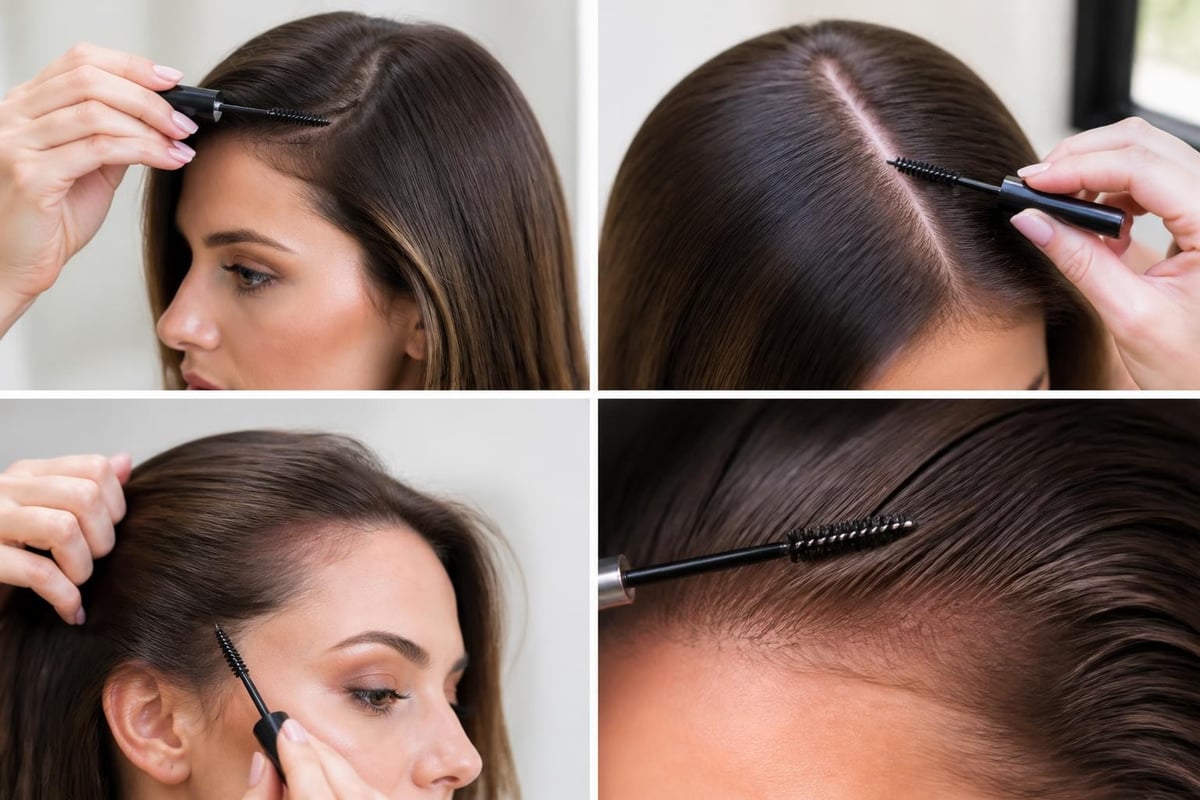
Application Technique for Maximum Effectiveness
The proper technique makes all the difference:
- Twist up a small amount (2-3mm of product exposure)
- Apply wand directly to flyaways using gentle downward strokes
- Work in sections along the hairline, part, or crown
- Allow 30 seconds for the water-based gel to set
- Repeat if necessary only on areas needing additional control
This approach uses approximately 90% less product than a full-head aerosol application while achieving better results in problem areas. For salon styling essentials, targeted products consistently outperform broadcast application methods.
Formulation Differences: What Makes Alcohol-Free Work
Modern alcohol-free formulations rely on alternative polymer systems that create hold through different mechanisms. Water-based formulas use polymers that form flexible films around hair strands without requiring rapid solvent evaporation.
These polymers include:
- PVP (polyvinylpyrrolidone): Creates flexible hold with humidity resistance
- VP/VA copolymer: Provides strong hold with natural movement
- Acrylates copolymer: Offers water resistance and long-lasting style retention
The key difference is that these polymers suspend in water-based systems or gentle solvents that don't strip moisture. When the carrier evaporates, it does so slowly and without pulling internal moisture from the hair shaft.
Natural and Organic Options
The natural end of this category leans on organic ingredients and vegan formulations while leaving out sulfates, silicones, and parabens. If that is what you are shopping for, ignore the front of the bottle and read the ingredient deck. What matters is whether a drying alcohol sits near the top of the list, not whether the label says clean.
For curly and textured hair, the usual complaint about spray is not weak hold, it is a disrupted curl pattern and frizz where the mist landed too close. Choose a light, water-soluble formula, apply it from a distance, and leave the hair alone while it sets. When a client needs all-over hold rather than targeted work, that is the one job I still give a spray: apply it last, apply it light, and let the finishing stick handle the edges and the part.
Setting Realistic Expectations: Stick vs Spray
I need to be clear about what a finishing stick is and isn't. It's not a full-replacement for hairspray if you're looking for all-over hold on an updo or heavily styled look. It's a targeted finishing tool designed for precision work.
A finishing stick excels at:
- Controlling flyaways along the hairline
- Smoothing baby hairs at the crown
- Defining parts with crisp, clean lines
- Finishing edges after claw clip hairstyles
- Touch-ups throughout the day without product buildup
A finishing stick is not designed for:
- Setting entire hairstyles from roots to ends
- Providing maximum hold for updos or formal styles
- Creating stiff, immovable structures
- Replacing mousse, gel, or styling creams in your foundation routine
Understanding this distinction prevents disappointment. I've had clients try to use a finishing stick as their only styling product and wonder why they don't get firm hold. It's a finishing tool-the last 5% of your styling routine that adds polish and control to specific areas.
Comparing Leading Alcohol-Free Products
| Product Type | Hold Level | Primary Use | Texture | Reapplication |
|---|---|---|---|---|
| Water-Based Aerosol Spray | Medium-Strong | Overall style setting | Light, slightly damp initially | Requires careful layering |
| Finishing Stick | Light-Medium | Targeted edges and flyaways | Gel consistency, no residue | Easy, unlimited touch-ups |
| Natural Organic Spray | Light-Medium | Sensitive scalps, curly hair | Very light, natural feel | Good for daily reapplication |
| Humidity-Resistant Formula | Strong | Outdoor events, humid climates | Slightly heavier, protective | Best as single application |
Each category serves different needs. The water-based aerosol sprays work well for clients who want the familiar spray application without alcohol. Finishing sticks provide precision for people who only need targeted control. Natural organic options appeal to clean beauty enthusiasts. Humidity-resistant formulas address environmental challenges.
Professional Insights on Product Selection
When I'm selecting products for The Pixie Garden, I evaluate them based on specific performance criteria that matter in real-world use. Here's what I prioritize:
Formula Integrity: Does the product deliver consistent results across different hair types? I test on fine, medium, and coarse textures, straight through curly patterns. An alcohol-free product that only works on one hair type isn't truly professional-grade.
Hold Duration: How long does the style maintain control? I track this in hours, documenting when flyaways begin reappearing or when edges lose definition. Quality alcohol-free formulas should deliver 8-12 hours of control.
Reapplication Behavior: What happens when you apply more product later in the day? Does it layer cleanly or create buildup? Does it revive the original hold or create stiffness? This matters for clients who need midday refresh capability.
Removal Ease: Does it wash out with regular shampoo, or does it require clarifying treatments? Products that create difficult-to-remove buildup fail the professional standard regardless of their initial performance.
The finishing stick I recommend passes all these criteria. It maintains control throughout a full workday, allows unlimited reapplication without buildup, and removes completely with standard shampoo.
Advanced Application Strategies for Different Scenarios
Different styling challenges require adjusted approaches with alcohol-free finishing products. Here's how I adapt the technique based on specific client needs:
For Fine Hair Clients
Fine hair shows product weight immediately. With finishing sticks, I use an extremely light touch:
- Apply product to the wand, then wipe excess on tissue
- Use feather-light strokes on flyaways only
- Focus on hairline and part rather than overall coverage
- Build gradually-you can always add more but removing excess is difficult
For Curly and Textured Hair
Curly hair needs moisture retention and frizz control without disrupting curl patterns. The hair finishing stick approach works differently here:
- Apply to palm first, then smooth over curls rather than direct application
- Target the canopy layer where frizz appears most visibly
- Use on dry hair only-applying to damp curls can disrupt formation
- Refresh individual curls by twisting around finger with product
For Straight Hair Prone to Static
Static electricity creates flyaways that traditional hairspray often worsens due to alcohol content. The water-based stick approach:
- Provides just enough weight to ground flyaways without adding stiffness
- Maintains natural movement while controlling static disruption
- Allows touch-ups in dry office environments without buildup
- Works effectively when applied to sleek hair styles requiring polish
Cost Analysis: Per-Use Economics
While alcohol-free finishing products sometimes carry higher upfront costs than drugstore hairsprays, the per-use economics tell a different story. Let me break down the actual cost based on typical usage:
Traditional Aerosol Hairspray:
- Average product: 8-10 oz for $8-12
- Application amount: 3-5 grams per full-head spray
- Uses per bottle: 45-95 applications
- Cost per use: $0.09-$0.27
Alcohol-Free Finishing Stick:
- Average product: $17.95
- Application amount: 0.2-0.4 grams per targeted application
- Uses per stick: 75-200 applications
- Cost per use: $0.09-$0.24
At $0.09 to $0.24 per use the finishing stick lands in the same range as aerosol hairspray, and it delivers better results on the specific areas where you need control while avoiding unnecessary product application on areas that don't need it. Over time, this targeted approach also reduces your hair's exposure to styling products overall, which improves hair health and reduces your need for intensive moisture treatments.
Frequently Asked Questions
What are the best alcohol-free alternatives to traditional hairspray?
The best alternative depends on your specific needs. For targeted flyaway control and edge work, water-based finishing sticks provide precision without drying. For full-style setting with alcohol-free formulation, look for water-based aerosol sprays that use gentle polymers. Natural organic options work well for sensitive scalps and curly hair. I personally recommend the targeted stick approach for most clients because it addresses the actual problem areas-flyaways and edges-without unnecessary product application on hair that doesn't need additional styling.
Can a finishing stick completely replace hairspray in my routine?
A finishing stick replaces hairspray for targeted finishing work, which covers 80-90% of what most people use hairspray for. If you spray hairspray primarily to control flyaways, smooth your hairline, or touch up your look throughout the day, then yes-a stick can completely replace your hairspray. However, if you need all-over hold for updos, formal styles, or maximum hold situations, you'll want both tools available. Think of the stick as precision equipment and traditional spray as broad coverage. Most of my clients discover they only needed the precision tool all along.
Will switching to alcohol-free products stop my hair from feeling dry?
Switching to alcohol-free products eliminates one major source of drying, but it's not an instant fix for existing damage. If your hair is currently dry from months or years of alcohol-based product use, you'll need 6-8 weeks of improved care to see significant recovery. During that time, focus on moisture retention through your entire routine-not just your finishing products. Eliminate other sources of drying (excessive heat styling, harsh sulfates, over-washing), increase conditioning treatments, and give your hair time to rebuild its moisture balance. The alcohol-free switch prevents further damage while your hair repairs itself.
How much hold can I expect from alcohol-free formulas?
Modern alcohol-free formulas provide light to medium-strong hold depending on the specific product and polymer system. Water-based finishing sticks typically deliver light to medium hold-enough to control flyaways and edges throughout the day but not enough to create stiff, immovable structures. Water-based aerosol sprays can achieve medium to strong hold using advanced polymer systems. The hold feels different from traditional alcohol-based sprays because it's more flexible and natural, but that doesn't mean it's weaker. Your hair moves naturally while maintaining the style, which is actually superior performance for everyday wear. If you need maximum hold for specific situations, look for humidity-resistant alcohol-free formulas that specifically state "strong hold" on the label.
Choosing alcohol-free alternatives to traditional hairspray protects your hair's moisture balance while still delivering the control and polish you need. Whether you opt for targeted finishing sticks or water-based aerosol formulas, eliminating drying alcohols from your routine creates healthier, more resilient hair over time. The Pixie Garden offers professional-grade styling solutions curated by a licensed cosmetologist, including alcohol-free finishing tools designed to create polished, effortless styles without compromising hair health. Explore the collection today to find the targeted approach that works for your specific styling needs.
