

How to Slick Back Hair That Lasts All Day (2026)
Delena MarklandWhen clients ask how to achieve slick-back hair that actually stays in place from morning meetings through evening events, the answer is simpler than most people think: prep on damp hair, apply product with a precision tool from root to end in the direction you want it to set, and use a slick back hair stick formulated without drying alcohols that gives flexible hold rather than stiff gel. I have been doing this technique in my chair for years, and it consistently delivers the polished, all-day hold clients want without the crunchy texture or midday flaking they want to avoid.
The Step-by-Step Method for Long-Lasting Slicked Hair
The foundation of any successful slick-back style begins with proper hair preparation. Start with freshly washed hair that is still damp, not dripping wet and not fully dry.
Why damp hair matters:
- Product distributes evenly through the strand
- Cuticles are slightly open and receptive to conditioning ingredients
- You can shape the hair as it dries into the finished position
- Less product is needed compared to dry hair application
I always recommend applying finishing products to salon-quality hair for the best foundation. Once your hair is towel-dried to about 70% dry, section it methodically. For a center-part slick back, divide hair down the middle. For a side-part slick back, create your desired part line first.
Application Technique That Actually Works
Take your slick back hair stick and apply it in long, continuous strokes from the root area backward toward the direction you want your hair to lay. The key is working in sections no wider than two inches.
- Start at the hairline and work backward
- Apply the product directly to the root area where flyaways originate
- Use a fine-tooth comb immediately after product application
- Comb through each section in the same direction three to four times
- Use the side of your hand to smooth each section as you work
- Allow hair to air-dry in position, or use a blow dryer on low heat aimed in the direction of the style
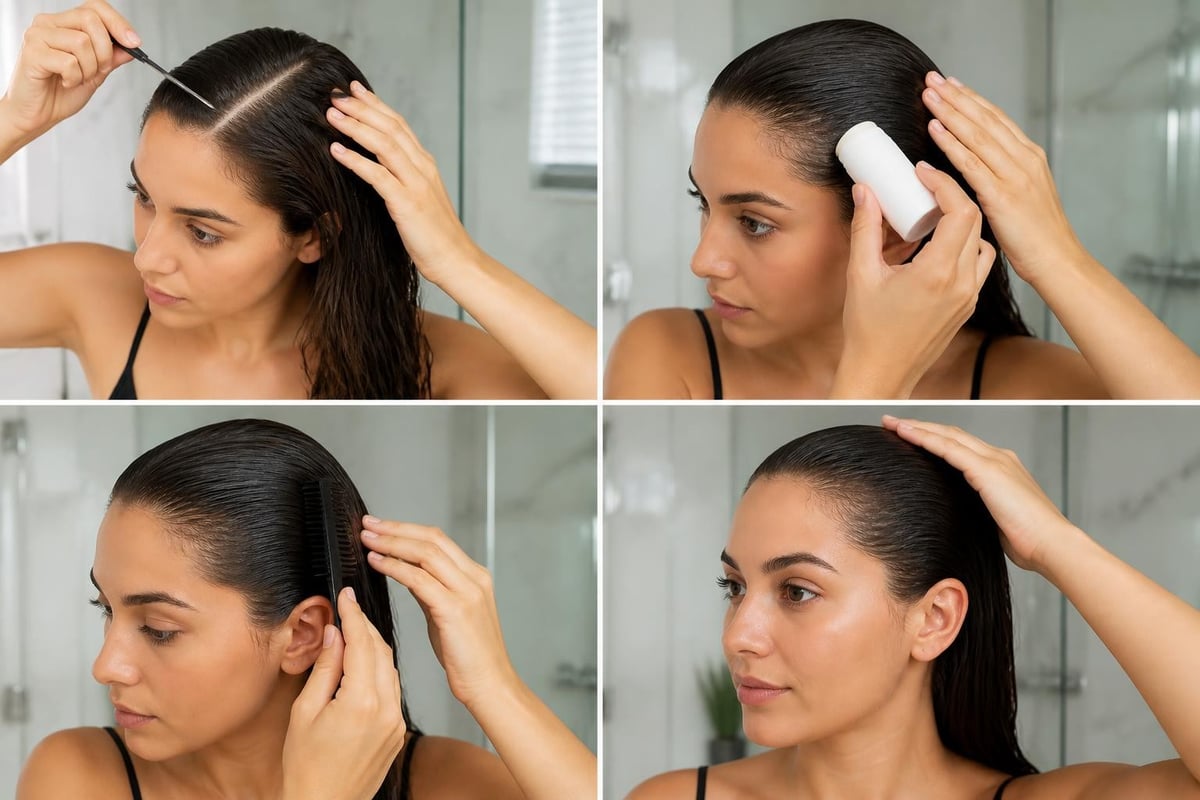
The difference between this method and what most people try at home is precision. Salon techniques focus on small sections with thorough product distribution, while home attempts often involve too much product applied all at once, which leads to greasiness or uneven hold.
Finishing Stick vs Gel vs Hairspray for Slick Styles
I have used every category of slick-back product available in professional and retail formulations. Each has specific benefits and significant limitations.
| Product Type | Hold Duration | Texture | Humidity Resistance | Reapplication |
|---|---|---|---|---|
| Traditional Alcohol Gel | 4-6 hours | Stiff, crunchy | Poor | Flakes when reapplied |
| Hairspray | 2-4 hours | Sticky when touched | Very poor | Builds up, looks dull |
| Pomade (oil-based) | 8+ hours | Greasy, heavy | Excellent | Can reapply smoothly |
| Alcohol-Free Finishing Stick | 10+ hours | Flexible, natural | Excellent | Smooth reapplication |
Traditional gels are often recommended for slicked hair, but here is what I observe in the salon: alcohol-set gels create an initially strong hold that weakens significantly as the product dries completely and becomes brittle. When you touch your hair or move your head throughout the day, that brittle coating cracks. By hour five or six, you will see flaking, especially along the hairline and part.
Hairspray faces a different problem. It sits on top of the hair rather than conditioning the strand, which means a precision finishing stick outperforms aerosol products for actual staying power. Hairspray also loses effectiveness in any humidity because it was never designed for flexible, long-wear applications.
The alcohol-free finishing stick category solves both issues by combining flexible polymer hold with conditioning humectants. When formulated correctly, these products provide strong structural hold with the slip and smoothness of conditioning ingredients. That combination allows hair to stay in position while still moving naturally when you move.
Why This Formula Holds Without Dehydrating Hair
Most slick-back products rely on drying alcohols for a fast set. That approach creates immediate hold, but those alcohols evaporate throughout the day and pull moisture from your hair shaft in the process. The result is hold that weakens as your hair becomes progressively drier and more brittle.
The alcohol-free alternative works differently. The Hair Finishing Stick that I selected and salon-tested for The Pixie Garden addresses this exact problem with a modern, water-based, alcohol-free gel formula where each ingredient serves a functional purpose.
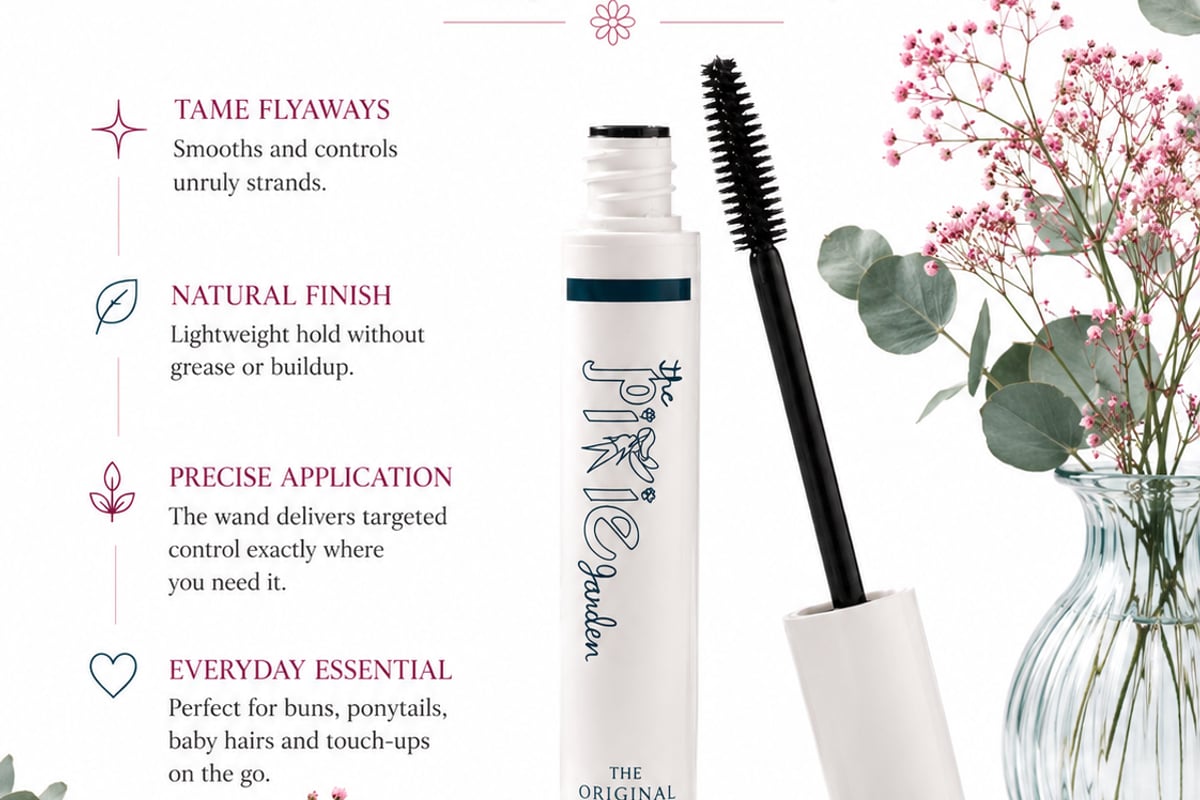
Flexible polymer hold (VP/VA and Acrylates Copolymers) provides the structural hold component. Unlike the hard shell that an alcohol-set gel leaves behind, these film-formers give flexible, humidity-resistant hold that moves with your hair. They do not flake when they dry, and they keep their grip even in moisture-heavy environments. This is the part of the formula doing the actual holding work.
Glycerin is a humectant that helps the hair hold moisture, so the style stays smooth and pliable rather than dry and brittle across a long day of wear. It is part of why the finish looks polished instead of parched.
Panthenol (Pro-Vitamin B5) conditions the hair shaft and supports flexibility. When hair is held in a tight style all day, you want the strand to keep some elasticity rather than turning stiff. Panthenol helps preserve that flexibility, which reduces breakage and keeps the style looking natural rather than helmet-like.
Because the base is water rather than oil or alcohol, the formula smooths and seals flyaways for a polished, reflective finish without looking greasy, and without the dehydration cycle that makes traditional alcohol-set products fail by afternoon.
The entire formula is alcohol-free and cosmetologist-selected specifically for all-day hold without the dehydration cycle that makes traditional products fail by afternoon. You can learn more about how professional styling products are chosen at The Pixie Garden.
Comparing Professional Formulation Approaches
The ingredient selection in a slick back hair stick determines whether it actually delivers on the all-day promise. Many retail formulations prioritize fast drying over lasting results, which is why they include alcohol despite its drying effects.
When you compare formulation philosophies, the professional approach focuses on hair health alongside styling performance. That means selecting ingredients that condition while they hold, rather than ingredients that sacrifice hair quality for immediate grip.
Edges and Baby Hairs: The Detail Work
The overall slick-back shape might be smooth, but the style lives or dies based on edge control. Baby hairs and fine flyaways around the hairline are usually the first elements to break free from a slicked style.
The precision wand applicator on a quality slick back hair stick is specifically designed for this detail work. Here is how I approach edges in the salon:
- Use the wand tip directly on baby hairs: Press the wand against the hairline and glide it along the direction you want those fine hairs to lay
- Layer your application: First pass lays the hair down, second pass adds hold, third pass polishes
- Work in one-inch sections: Trying to do the entire hairline at once leads to uneven coverage
- Set with a metal-tooth comb: The fine teeth on a metal comb create tension that helps baby hairs stay smooth
For clients with particularly resistant edges, I recommend the technique demonstrated by celebrity hairstylists for creating a slicked-back bun which emphasizes multiple product layers with combing between each application.
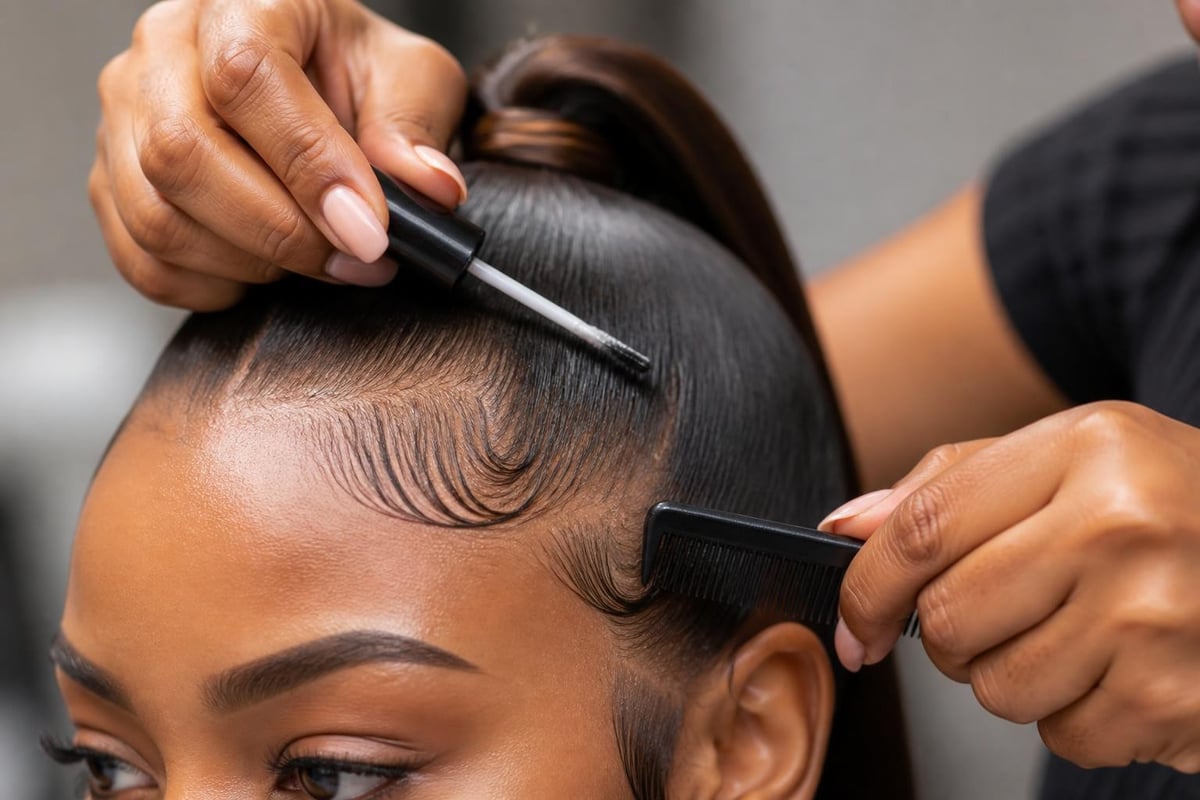
The fine hairs at your temples and nape require the same attention as the hairline. These areas experience the most movement throughout the day (from turning your head, wearing glasses, adjusting earrings), so they need reinforced hold.
Midday Refresh Strategy
Even the best slick back hair stick application will face challenges after eight to ten hours of wear. Rather than starting over, I teach clients a quick refresh technique that restores the morning polish in under two minutes.
The professional refresh method:
- Do not add water (this reactivates and dilutes the existing product)
- Apply a thin additional layer of product only to areas showing flyaways
- Use your hands to smooth rather than a comb (combing redistributes too much product)
- Focus on the hairline, part, and any sections that have lifted
The beauty of an alcohol-free polymer formula is that it does not build up the way traditional gels do. You can reapply a finishing stick throughout the day without creating the white flaking that happens when you try to refresh alcohol-gel-based styles. This approach to maintaining sleek styles has been validated by stylists working with celebrities who need their hair camera-ready for 12-plus hour days.
One mistake I see constantly: people try to refresh by adding hairspray over their existing product. This creates stickiness without adding actual hold, and it dulls the shine you worked to create in the morning. If you need additional hold, add more of the original product you used, not a different product category.
Working With Different Hair Textures
Fine hair, thick hair, curly hair, and chemically treated hair all respond differently to slick-back styling. The technique adjustments are minor but important.
Texture-Specific Adjustments
Fine hair requires less product and more precision. Apply your slick back hair stick primarily at the roots where you need hold, and use minimal product through the mid-lengths and ends. Too much product on fine hair creates visible greasiness and weighs down the style.
Thick hair benefits from section-by-section application with more thorough combing. You may need to work in smaller sections (one inch instead of two inches) to ensure product reaches the hair closest to your scalp. The outer layer might look smooth while the underlayer remains uncontrolled if you rush the application.
Curly hair should be slicked while damp with slightly more product than straight hair textures. The natural curl pattern means more surface area to cover, and you are asking the hair to adopt a shape very different from its natural state. Allow extra drying time, and consider using low heat from a blow dryer to help set the style.
Color-treated or chemically processed hair tends to be more porous, which means it absorbs product quickly. Apply in thinner layers and build up gradually rather than applying a heavy first coat. The conditioning ingredients in quality formulations actually benefit processed hair by providing moisture and flexibility.
Stylist Notes: What Makes This Technique Different
Professional vs. DIY approaches: In the salon, I control three variables that home styling often misses: damp hair (not wet, not dry), systematic sectioning (not random application), and appropriate product quantity (not too much or too little). When you replicate those three elements at home, you get salon-quality results.
Product matters more than technique: I have seen clients execute perfect technique with inferior products and get mediocre results. The reverse (okay technique with professional products) delivers better outcomes. Invest in formulation quality if you want this style to last.
Climate adjustments: Humidity requires slightly more product. Dry climates need slightly less. If you travel frequently, expect to adjust your application amount based on environmental moisture levels.
The overnight test: If your slicked style looks good in the morning but fails by afternoon, the problem is not the morning application, it is the product formulation. A quality alcohol-free finishing stick maintains hold for 12-plus hours without weakening.
Many clients mention products used by professionals like Sarah Jessica Parker when discussing what actually works for long-term frizz control and polished styling.
Frequently Asked Questions
How much product should I use for a full slick-back style? For shoulder-length hair, two to three full strokes of the wand per two-inch section provides adequate coverage. That typically equals about 8-12 total applications for a full head. Fine hair needs less; thick hair may need slightly more. The product should be visible when you first apply it but should absorb and distribute as you comb through.
Can I use a slick back hair stick on dry hair? Yes, but you will need approximately 30% more product to achieve the same hold as damp hair application. Dry hair application works well for quick touch-ups or when you are restyling hair that was already dried in a different style. For the longest-lasting results, apply to damp hair.
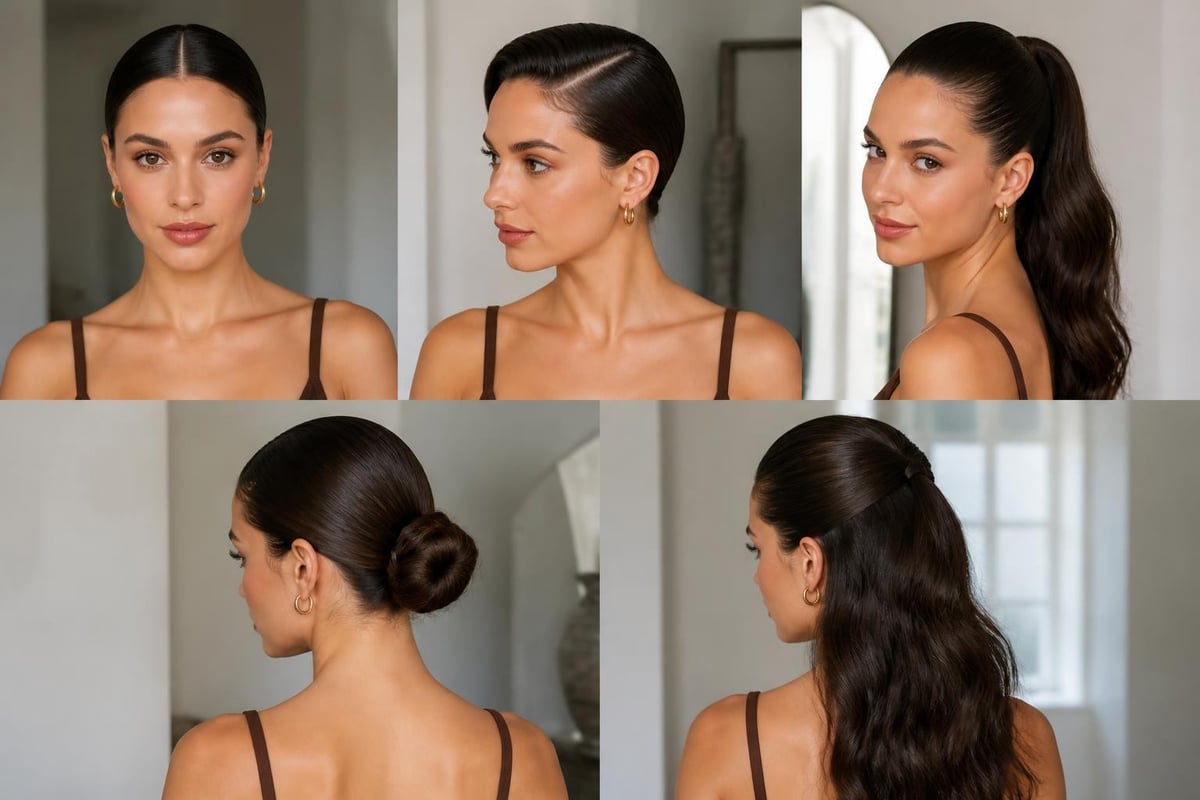
Will this work for a slicked ponytail or just loose slick-backs? The technique works for any slicked style: ponytails, buns, half-up styles, or fully down looks. For ponytails and buns, apply the product before gathering the hair into the elastic. This ensures every strand is controlled before you create tension with the hair tie. You can then use the wand to smooth any flyaways that appear after securing the ponytail.
How do I remove the product at the end of the day? A water-based finishing stick rinses out easily with your regular shampoo. If you have layered a lot of product for a heavy-hold style, shampoo twice: the first pass breaks down the product, the second actually cleanses the hair. If you have specific scalp care needs, choose a shampoo that addresses both cleansing and scalp health.
Is this technique damaging to hair? Slicking hair back is not inherently damaging, but doing it the same way every day can create tension damage along your hairline if you pull too tightly. Vary your part line, alternate between slicked and non-slicked styles, and avoid elastic tension directly on the areas where you apply slicking product. The conditioning ingredients in quality formulations actually benefit hair health by providing moisture and flexibility.
Common Mistakes That Ruin All-Day Hold
Even with the right product and correct technique, several common errors sabotage longevity. I troubleshoot these issues almost daily in the salon.
Applying to soaking wet hair: When hair is dripping wet, water dilutes the product before it has a chance to grip the strand. You end up using three times the necessary product and still getting weak hold because the formulation is too diluted to function properly.
Skipping the comb-through step: Your hands alone cannot distribute product evenly or create the tension needed for smooth results. The comb is not optional; it is what transforms product application into an actual style. Each section needs three to four comb passes in the direction of the finished style.
Using too much product in one application: This creates visible buildup, makes hair look greasy, and actually reduces hold because the excess product never fully sets. Thin layers that you build up gradually outperform one thick application every time.
Touching your hair throughout the day: Every time you run your fingers through slicked hair, you disrupt the product's hold and redistribute oils from your hands into the style. If you must touch your hair, smooth it in the direction it is already laying rather than ruffling or running fingers through against the grain.
Combining incompatible products: Applying a slick back hair stick over dry shampoo, texturizing spray, or other styling products creates interference. The products do not bond correctly, and you end up with neither the texture from your first product nor the sleekness from your second product. Start with clean, damp hair for best results.
Heat Styling Considerations
Some people prefer to blow-dry their slicked style rather than allowing air-drying. This approach works well if executed correctly.
Apply your product to damp hair first, then use a paddle brush or vent brush while blow-drying. Direct the airflow in the direction you want the hair to lay. Keep the dryer on medium heat rather than high heat; excessive heat can break down styling products before they set properly.
The benefit of heat styling is faster setting time. The drawback is that you must maintain tension with your brush throughout the entire drying process, which requires more skill than simple air-drying. For most people, air-drying delivers equal results with less technique required.
If you choose to heat style, finish with 30 seconds of cool air directed over the entire styled area. This helps set the product and close the cuticle for maximum shine.
Building Your Slick-Back Styling Routine
Creating a reliable routine eliminates the guesswork from daily styling. Here is the exact sequence I follow in the salon for clients who want consistent slick-back results.
Evening before (optional but beneficial):
- Wash hair with a clarifying or volumizing shampoo
- Condition mid-lengths and ends only (not roots)
- Towel-dry and sleep with hair in the direction you will style it
Morning of:
- If hair is completely dry, mist lightly with water (not soaking)
- Section hair according to your desired part
- Apply slick back hair stick root to end in two-inch sections
- Comb each section three to four times
- Allow to air-dry or blow-dry on medium heat
- Final edge control with precision application along hairline
- Set with 30 seconds of cool air if using heat
Throughout the day:
- Avoid touching styled sections
- If flyaways appear, apply minimal additional product and smooth with hands
- Do not add water or other products
Evening:
- Remove with your regular shampoo, doubling up only if you used heavy product
- Condition to restore moisture
- Allow scalp to rest from styled tension
This routine takes 8-12 minutes in the morning once you develop the muscle memory for sectioning and application. That time investment delivers 12-plus hours of polished, professional-looking hair that requires minimal maintenance throughout the day.
Achieving all-day slick-back hair comes down to proper technique with the right formulation, specifically one that holds without alcohol-based dehydration. The precision application method I have refined through years of salon work delivers consistent results when you pair it with products chosen by professionals who understand how ingredients actually function in real-world wear conditions. Explore The Pixie Garden for styling essentials that bring professional techniques into your daily routine with products selected to deliver the polished, effortless results you are looking for.
Now on Podcast
Listen: How to Slick Back Hair and Control Frizz All Day
Delena breaks down the formula, damp-hair technique, edge control, and midday refresh in a 4-minute audio episode.
