

Rice Water for Hair Growth: What Cleveland Clinic and Dermatology Research Show
Delena MarklandRice water does not make hair grow faster. I have seen this firsthand on hundreds of clients over 25 years behind the chair, and Cleveland Clinic's research confirms exactly what I observe in my salon every week: the key compound in rice water, inositol, penetrates damaged hair and creates a protective shield that prevents mechanical damage from styling and brushing. The real benefit is breakage reduction, which means your existing growth reaches longer lengths instead of snapping off. That is the honest answer, and it is backed by both Cleveland Clinic's review and published dermatology research. Below, I will walk you through what the science actually shows, how I use rice water in my salon, and whether rice water can thicken hair in a meaningful way.
What Cleveland Clinic and Dermatology Research Say About Rice Water
Cleveland Clinic is the most-cited authority on rice water in mainstream beauty coverage, and their clinical review lines up with what I tell my clients every day. Rice water is not a hair growth accelerator. It contains compounds with documented benefits for hair strength, surface protection, and breakage reduction.
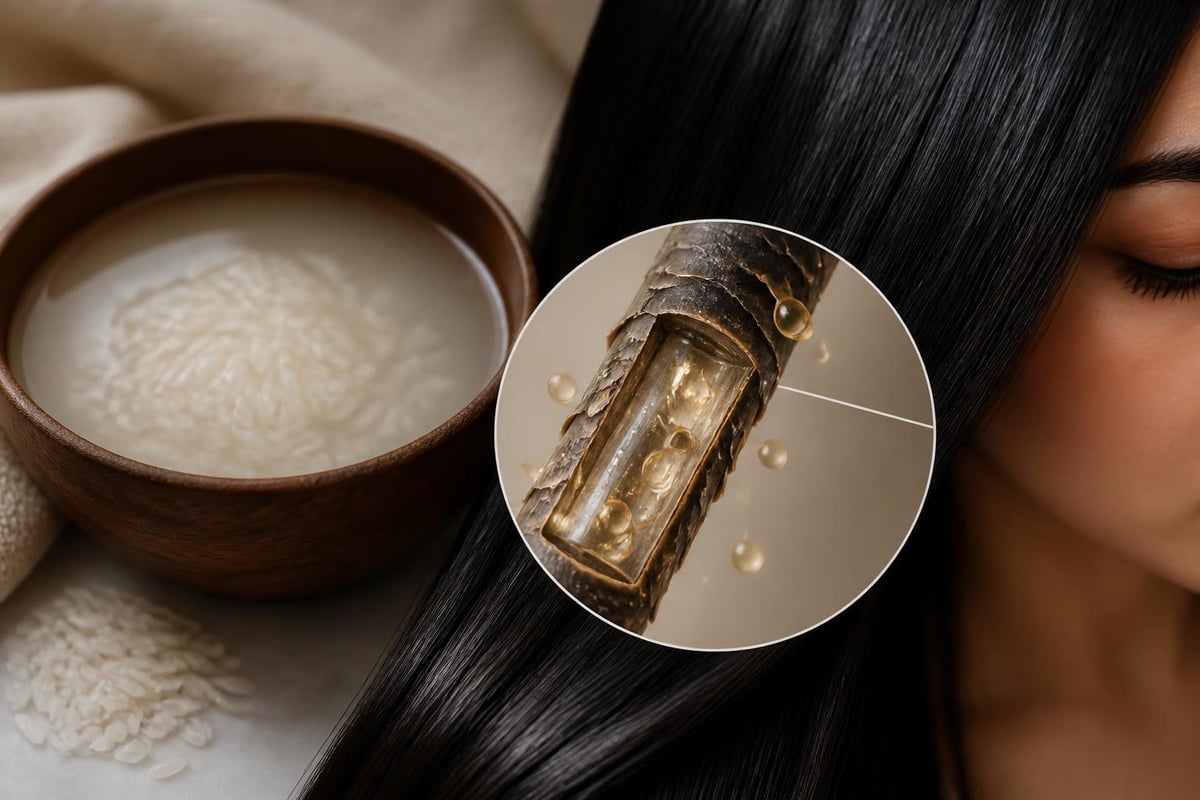
According to Cleveland Clinic's review, the key active compound is inositol, a carbohydrate that penetrates damaged hair and remains bonded to the strand even after rinsing. This residual presence creates a protective shield that reduces mechanical damage from styling, brushing, and friction.
Cleveland Clinic specifically notes what rice water does not do: it does not stimulate the hair follicle, accelerate the anagen (growth) phase, or override genetic hair growth rates. Hair grows about half an inch per month regardless of topical treatment. What rice water actually accomplishes is reducing breakage so existing growth can reach longer lengths without snapping off. The visible effect is often interpreted as faster growth, and I see clients make this exact mistake all the time.
Dermatology research, including findings published in the International Journal of Cosmetic Science, supports this position. Inositol reduces surface friction and improves hair elasticity, which directly translates to less breakage and better length retention. The amino acid profile in rice water also mirrors components of keratin, the structural protein in hair, which may explain the temporary reinforcement effect that I notice on clients after consistent use.
My Honest Take
"I have used rice water on real client hair for years. Cleveland Clinic has the framing right. You will not grow new hair faster from a rice water rinse. What you will get is less breakage on existing hair, more shine, and noticeably easier detangling. For clients with fine or fragile hair, the difference shows up in four to six weeks as the ends stop snapping off. That is the real win, and it is enough."
-- Delena Markland, Licensed Cosmetologist, The Pixie Garden
The Pixie Garden Curated
Rice Water Shampoo and Conditioner Bar
Salon-selected rice protein delivery. TRI-K clinical study: 20% volume increase after five washes.
Understanding Rice Water Composition
When clients ask me why rice water works, I start with the chemistry. When rice is soaked or boiled, it releases vitamins, minerals, and compounds into the water that directly impact hair health.
The primary components include:
- Inositol: A carbohydrate that can penetrate damaged hair and repair it from the inside
- Amino acids: Building blocks of protein that strengthen hair roots and add shine
- Vitamins B, C, and E: Support overall scalp health and hair vitality
- Minerals: Including magnesium, manganese, and selenium
- Antioxidants: Help protect hair from environmental damage
Inositol is the most clinically studied of these compounds, and it is the one I pay the most attention to. It creates a protective shield around each hair shaft, reducing friction and preventing damage during styling and brushing.
Hair Growth at the Follicle Level
I explain this to every client who comes in asking about rice water: hair growth occurs at the follicle, averaging about half an inch per month regardless of topical treatments. What rice water actually accomplishes is reducing breakage and improving hair condition, allowing existing growth to reach longer lengths without snapping off. This distinction matters when you are evaluating any claims about rice water for hair growth.
Preparation Methods for Rice Water
If you want to try rice water at home, you do not need fancy equipment. I walk my clients through three primary methods, each producing slightly different nutrient concentrations.
Soaking Method
This is the simplest technique and preserves the maximum amount of nutrients without heat degradation. I recommend this one for beginners.
- Rinse half a cup of uncooked rice thoroughly to remove impurities
- Place rice in a bowl with 2-3 cups of water
- Let it sit at room temperature for 30 minutes to one hour
- Strain the rice, reserving the cloudy water
- Store in a clean container in the refrigerator for up to one week
The soaking method produces a mild rice water solution suitable for daily or every-other-day use. As noted by Medical News Today, this approach maintains water-soluble vitamins that might otherwise break down during cooking.
Boiling Method
| Aspect | Soaking Method | Boiling Method | Fermentation Method |
|---|---|---|---|
| Preparation Time | 30-60 minutes | 15-20 minutes | 12-48 hours |
| Nutrient Concentration | Moderate | High | Very High |
| pH Level | Neutral | Neutral | Acidic |
| Shelf Life | 5-7 days | 5-7 days | 7-10 days |
For the boiling method, use twice the amount of water you would normally cook rice with. Strain the water once the rice is half-cooked, then allow it to cool completely before application. This method creates a more concentrated solution with higher starch content.
Fermented Rice Water
Fermentation increases the concentration of antioxidants and changes the pH level to match hair's natural acidity more closely. WebMD explains that fermented rice water may contain additional beneficial compounds created during the fermentation process.
To ferment rice water, follow the soaking method but let the strained water sit at room temperature for 24 to 48 hours until it develops a slightly sour smell. This indicates fermentation has occurred. Dilute fermented rice water with one to two cups of plain water before use, as it becomes quite potent. I always tell my clients: if it smells too strong, dilute more. You can always add less water next time.
Application Techniques for Maximum Benefit
How you apply rice water matters as much as the preparation method. Here is what I recommend in my salon depending on hair type and condition.
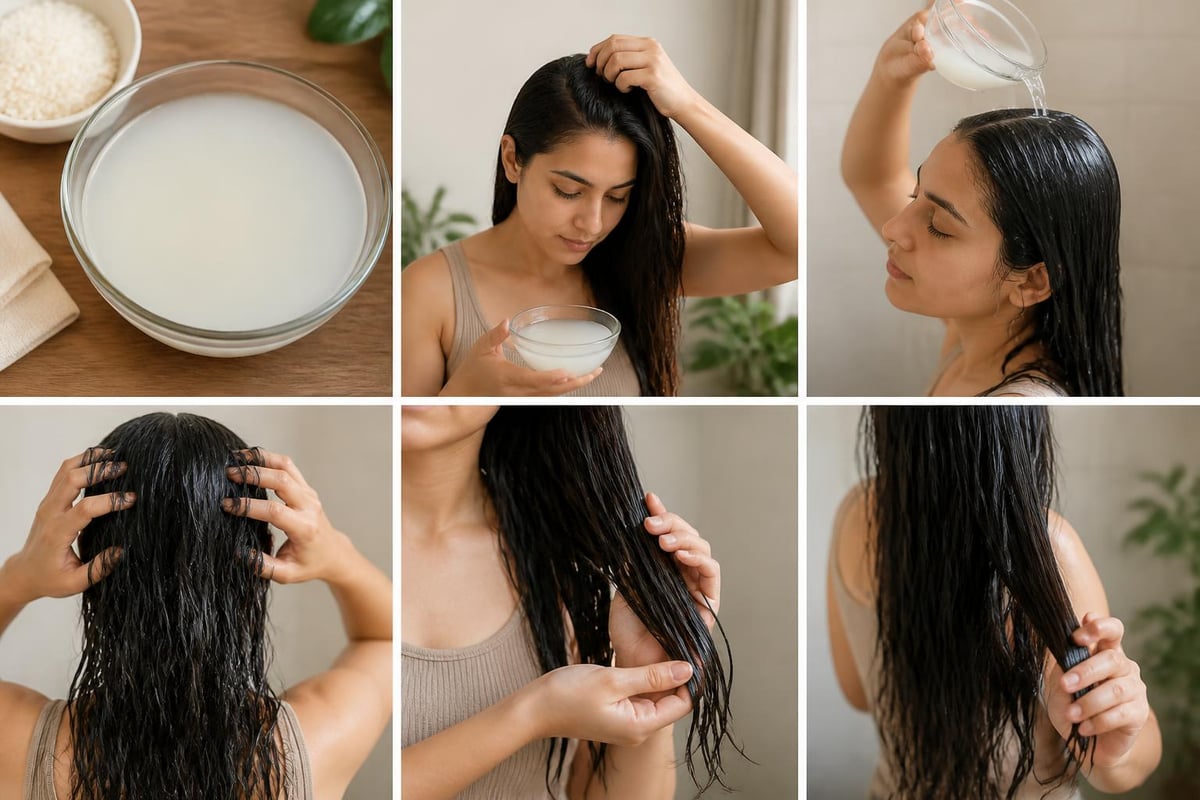
Pre-Shampoo Treatment: Apply rice water to dry hair before washing, saturating from roots to ends. Leave it on for 10 to 30 minutes, then proceed with your regular shampoo and conditioning routine. This method works well for those concerned about protein overload, as shampooing removes excess.
Rinse Treatment: After shampooing and conditioning, pour rice water over clean hair as a final rinse. Massage it into the scalp and work through to the ends. Leave it in for 5 to 20 minutes before rinsing with cool water. Some of my clients prefer to leave it in without rinsing for maximum benefit.
Leave-In Application: Dilute rice water with regular water in a spray bottle. Spritz onto damp or dry hair as a refresher between wash days. This lighter application provides ongoing nourishment without overwhelming the hair shaft.
In my salon at The Pixie Garden, I focus on evidence-based hair care that delivers measurable results. That is why every product I carry has been tested and evaluated before I offer it to my clients.
Rice Water Benefits Beyond Growth Claims
While rice water for hair growth captures headlines, the treatment offers several documented benefits that I see regularly on real client hair.
Strength and Elasticity
The amino acids in rice water bind to the hair shaft, temporarily reinforcing its structure. This increased strength reduces breakage during combing, brushing, and styling. Hair that breaks less appears to grow faster, though the growth rate at the follicle remains unchanged. I see this effect most dramatically on clients with fine hair who have been struggling with breakage at the ends.
Shine Enhancement
The starch coating from rice water smooths the hair cuticle, creating a reflective surface that increases shine. This effect is immediately visible after application and can last several days depending on styling habits and environmental exposure. When a client walks out of my chair with that extra gloss, nine times out of ten rice water played a part.
Detangling Properties
Rice water reduces surface friction between hair strands, making detangling significantly easier. This benefit particularly helps those with long, thick, or textured hair types that tangle easily. I recommend pairing it with quality tools like the Bamboo Comb or the Hair Finishing Stick for taming flyaways after detangling. That combination can transform your daily hair care routine.
Hair Type Considerations and Precautions
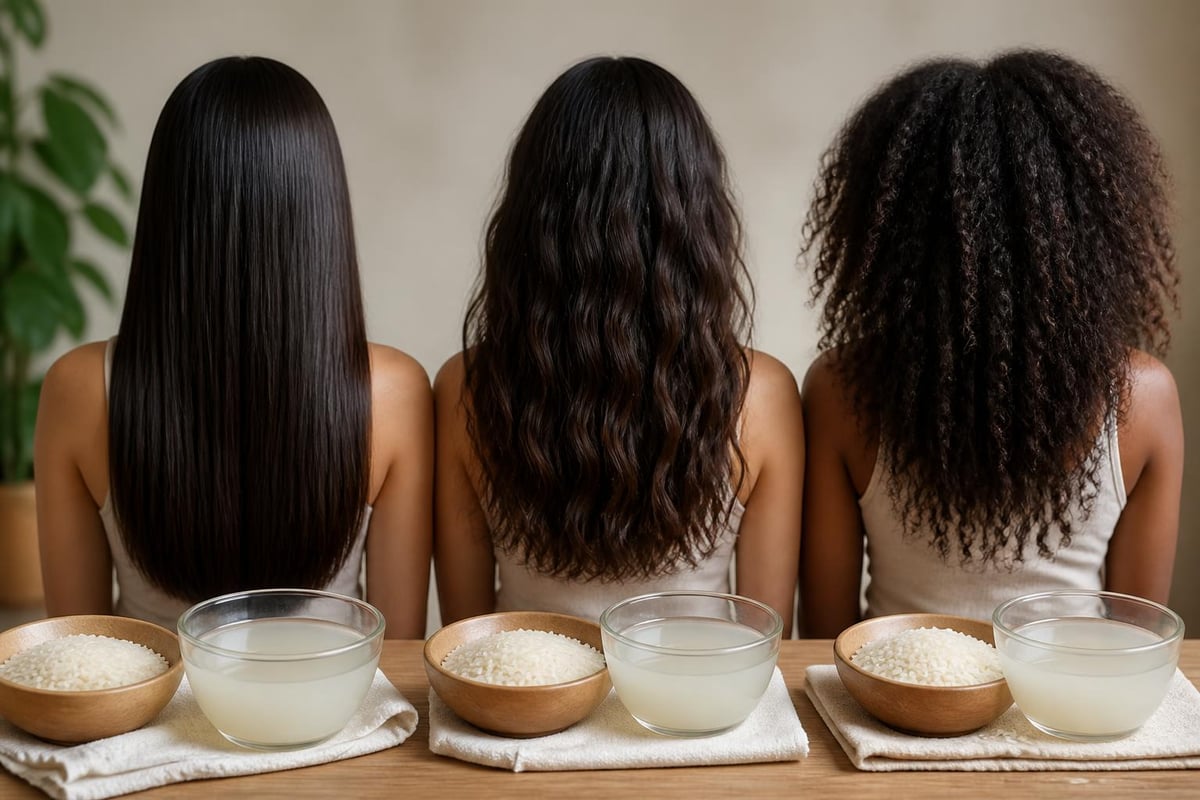
Not all hair types respond identically to rice water treatments. I always assess a client's hair before recommending a rice water protocol, because understanding your specific hair needs prevents potential complications and maximizes benefits.
Protein Sensitivity
Hair that already has adequate protein levels may experience stiffness, dryness, or brittleness from excessive rice water use. Healthline notes that 4C and other highly textured hair types can be particularly susceptible to protein overload. I have seen this happen in my own chair, and it is always because the client was using rice water too frequently.
Signs of protein overload include:
- Straw-like texture
- Increased breakage despite treatment
- Hair that feels stiff or brittle when wet
- Loss of curl pattern definition
- Difficulty absorbing moisture
If you notice these symptoms, reduce frequency or discontinue rice water treatments. Balance protein treatments with deep conditioning sessions that focus on moisture rather than strength. I tell every client the same thing: protein and moisture are a seesaw, and you need both sides balanced.
Porosity Matters
Low porosity hair has tightly closed cuticles that resist moisture absorption. Rice water may sit on the surface rather than penetrating the shaft, potentially causing buildup. Use warm rice water and apply to damp hair to improve penetration.
High porosity hair has raised cuticles that absorb products quickly but also lose moisture rapidly. This hair type often responds well to rice water treatments, as the protein helps fill gaps in the cuticle layer. However, follow with a moisturizing treatment to prevent dryness.
Normal porosity hair typically tolerates rice water well and experiences the full range of benefits without special adjustments.
Professional Formulations vs DIY Treatments
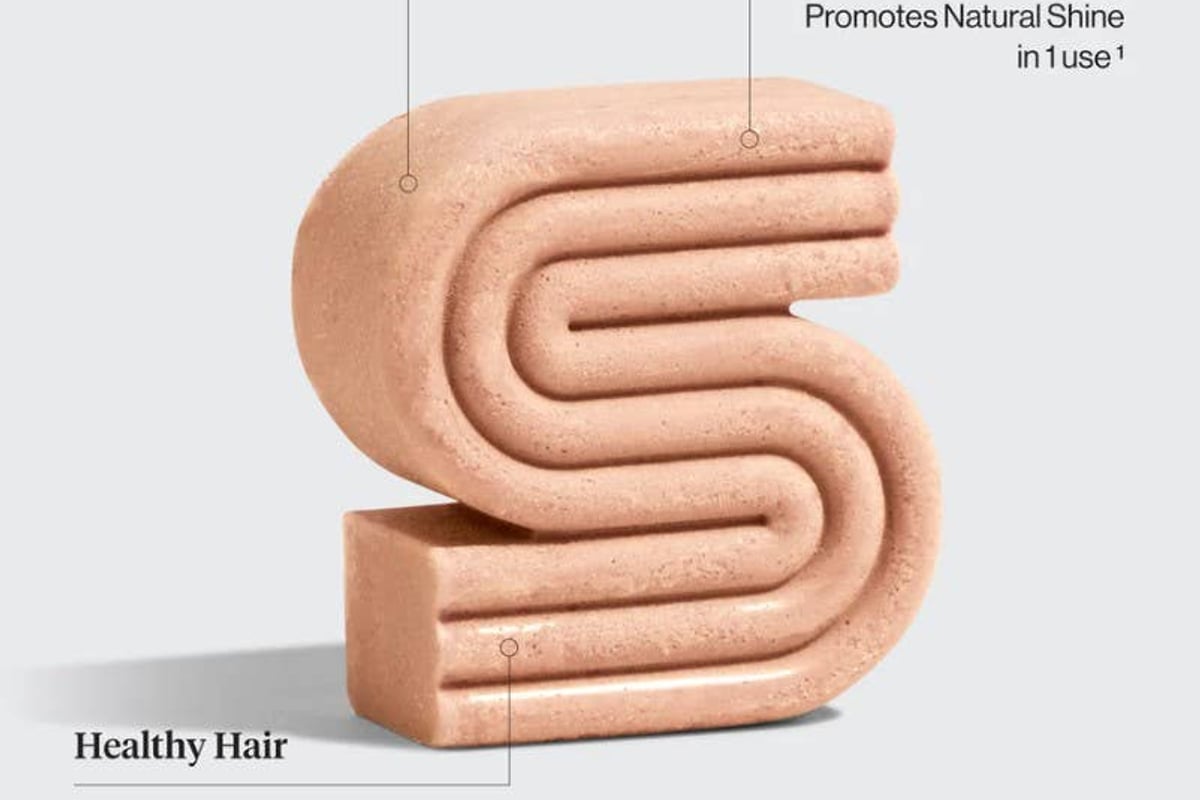
The rise of rice water's popularity has led to commercial formulations that deliver its benefits in more stable, convenient formats. I carry the Rice Water Shampoo and Conditioner Bar in my salon because it combines Rice Tein Protein with a delivery system designed for consistent results, backed by a TRI-K study showing 20% volume increase after five washes. That kind of documented, controlled outcome is the difference between hoping a DIY batch works and knowing your product has been tested.
For treatment-day use between wash days, I also recommend the Longsheng Rice Water Hair Treatment, which delivers concentrated rice protein in a leave-in ritual that works alongside the bar system.
DIY rice water offers cost-effectiveness and complete control over ingredients, but the professional products I carry provide:
- Consistent nutrient concentration across batches
- Extended shelf life without refrigeration
- pH-balanced formulas designed for hair
- Additional beneficial ingredients that complement rice water
- Controlled protein levels to prevent overload
The choice between homemade and commercial options depends on your commitment level, storage capacity, and preference for documented versus anecdotal results. I use both approaches with my clients depending on their needs and lifestyle.
Optimal Frequency and Long-Term Use
Determining how often to use rice water requires attention to your hair's response signals. I always tell clients to start conservatively and adjust based on what their hair tells them.
Recommended frequency guidelines:
| Hair Type | Starting Frequency | Adjustment Indicators |
|---|---|---|
| Fine/Thin | Once per week | Increase if no stiffness occurs |
| Medium Density | 1-2 times per week | Monitor for protein balance |
| Thick/Coarse | 2-3 times per week | Can handle more frequent use |
| Color-Treated | Once per week | Watch for dryness |
| Damaged | 2 times per week | Balance with moisture |
Track your hair's condition over four to six weeks to identify patterns. According to Good Housekeeping's analysis, visible improvements typically appear within three to four weeks of consistent use, though individual results vary significantly. That timeline matches what I see with my own clients.
Addressing Common Misconceptions
The viral nature of rice water for hair growth has generated both enthusiasm and misinformation. I hear these myths from clients constantly, so let me set the record straight.
Myth: Rice water makes hair grow faster. Reality: Hair growth occurs at the follicle and is determined by genetics, health, and hormones. Rice water reduces breakage, allowing existing growth to reach longer lengths.
Myth: More frequent application produces better results. Reality: Overuse can lead to protein overload, causing brittleness and increased breakage. Strategic, moderate use outperforms excessive application every time.
Myth: Any rice produces identical results. Reality: White rice, brown rice, jasmine rice, and basmati rice have different nutrient profiles. White rice produces clearer water with higher starch content, while brown rice retains more vitamins but creates cloudier water.
Myth: Fermented rice water is always superior. Reality: Fermentation increases potency but also acidity. For some hair types, particularly those already dealing with dryness, plain rice water works better than fermented versions. I have seen both work beautifully depending on the client.
Vogue's examination of the rice water trend highlights how social media can amplify both genuine benefits and exaggerated claims, making critical evaluation essential.
Complementary Hair Care Practices
Rice water works best as part of a comprehensive hair care routine rather than as a standalone treatment. Here is how I recommend integrating it with other evidence-based practices to amplify results.
Scalp Health Foundation
Healthy hair growth requires a healthy scalp environment. Regular cleansing removes buildup that can clog follicles and impede growth. I always tell clients to massage gently during application, as that improves blood circulation to hair follicles and potentially supports the growth phase of the hair cycle.
Protective Styling
Minimizing manipulation and mechanical damage preserves length gained from reduced breakage. Quality hair accessories that hold securely without pulling or snagging protect hair during daily activities. I carry the navy blue hair claw clip in my salon specifically because it distributes tension evenly rather than creating stress points that lead to breakage.
Nutrition and Hydration
External treatments complement but cannot replace internal nourishment. Protein-rich diets, adequate water intake, and essential vitamins support hair health from within. Biotin, iron, vitamin D, and omega-3 fatty acids all contribute to optimal hair growth and strength. I remind my clients of this constantly: what you put in your body matters more than what you put on your hair.
Heat Protection
If you use thermal styling tools, apply heat protectant products before styling. Rice water strengthens hair, but excessive heat still causes damage that no topical treatment can fully prevent. I see heat damage undo months of progress more often than I would like.
Safety Considerations and Patch Testing
While rice water is generally considered safe for topical use, individual sensitivities can occur. Before full application, I always recommend performing a patch test to rule out allergic reactions.
Apply a small amount of prepared rice water to the inside of your wrist or behind your ear. Wait 24 hours and monitor for redness, itching, or irritation. If any reaction occurs, discontinue use.
Additional safety guidelines:
- Always use clean, filtered water for preparation
- Wash rice thoroughly before soaking or boiling to remove pesticides and contaminants
- Store rice water in the refrigerator and discard if it develops an unpleasant odor
- Avoid getting rice water in your eyes during application
- If scalp irritation occurs, rinse immediately with cool water
People with rice allergies should avoid rice water treatments entirely. While rare, documented cases of contact dermatitis from rice water exist in medical literature.
The Bottom Line
Rice water does not accelerate hair growth at the follicle. Cleveland Clinic, dermatology research, and my own 25 years of salon experience all converge on the same conclusion: rice water meaningfully reduces breakage and improves hair quality when used appropriately. That breakage reduction is what allows existing growth to reach longer lengths, which most of my clients experience as faster growth.
If you want professional-grade rice water results without the guesswork, I have curated the products in The Pixie Garden specifically to deliver what the research supports. Every product I carry has been tested on real client hair before it earns a spot on my shelf.
Skip the DIY. Get the clinically-backed rice water benefit in bar form.
Rice Water Shampoo and Conditioner Bar Combo. TRI-K study: 20% volume increase after 5 washes.
Now on The Pixie Garden Hair Podcast
Ep. 01: Does Rice Water Actually Grow Hair?
Delena breaks down the inositol science, explains why DIY rice water produces inconsistent results, and why the Rice Water Bar Combo gets you a documented result in five washes. Listen now.
