

ProCell Microchanneling: Benefits & Treatment Guide
Delena MarklandThe beauty and wellness industry continues to evolve with advanced treatments that deliver measurable results without invasive surgery. One such innovation gaining recognition among licensed professionals and clients alike is procell microchannelling, a treatment that harnesses the body's natural healing mechanisms to address concerns ranging from skin texture to hair thinning. Unlike traditional approaches that may require extended downtime or surgical intervention, this technique offers a scientifically backed method for cellular regeneration with minimal disruption to daily routines.
Understanding the Science Behind Procell Microchannelling
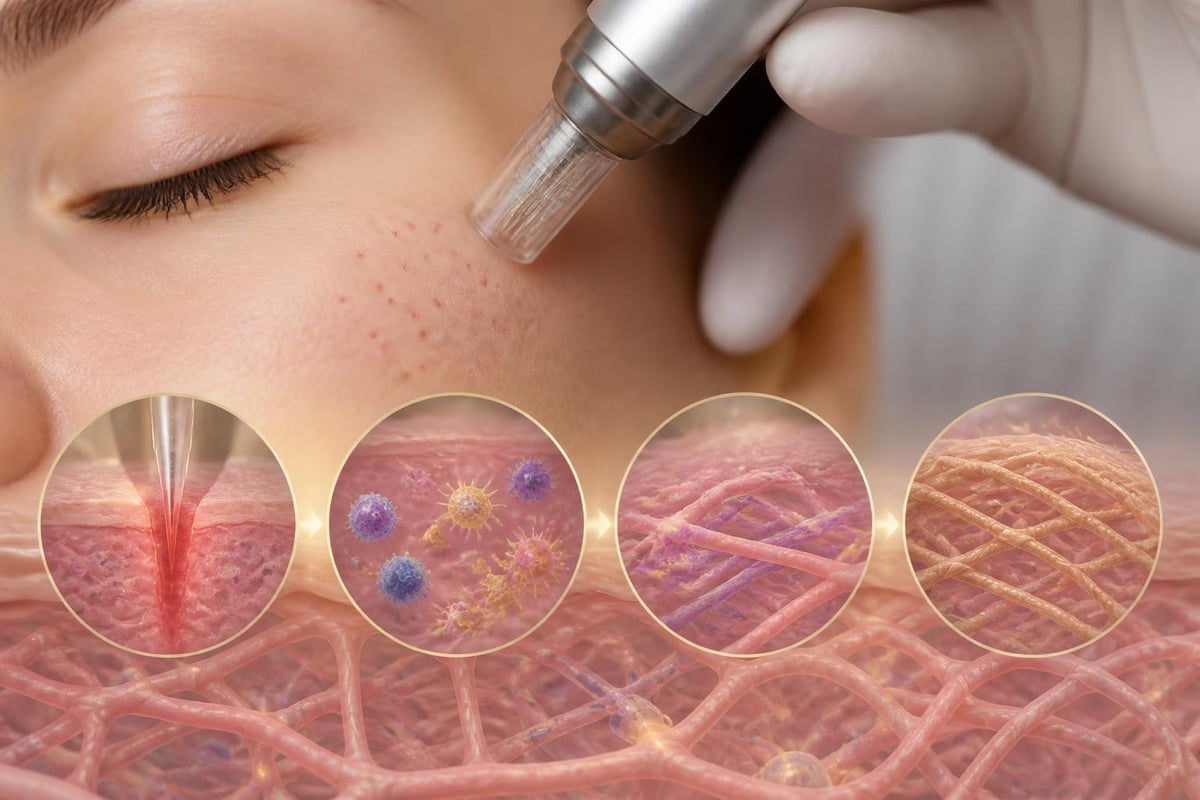
Procell microchannelling represents a significant advancement in regenerative aesthetics. The treatment works by creating controlled micro-injuries in the skin or scalp using a specialized stamping device equipped with fine, sterile needles. These precise microchannels stimulate the body's natural healing response, triggering increased production of collagen and elastin while creating pathways for therapeutic serums to penetrate deeper into tissue layers.
What distinguishes procell microchannelling from earlier microneedling techniques is the delivery mechanism itself. Rather than dragging needles across the skin's surface, which can cause tearing and uneven depth, the ProCell system uses a vertical stamping motion. This creates uniform channels at consistent depths, reducing trauma and improving outcomes.
The Role of Growth Factor Serums
The treatment's effectiveness amplifies through the strategic application of growth factor serums during and after the microchanneling procedure. These serums contain stem cell-derived proteins and peptides that support cellular communication and accelerate tissue repair. When applied immediately after channel creation, these growth factors penetrate directly into the dermis rather than sitting on the skin's surface.
The combination of mechanical stimulation and bioactive ingredients creates an environment optimized for regeneration. Clinical observations show improvements in skin texture, reduction in hyperpigmentation, and enhanced hair density when protocols are followed consistently over multiple sessions.
Key Benefits for Skin and Scalp Health
The versatility of procell microchannelling makes it valuable for addressing multiple concerns simultaneously. For individuals noticing signs of aging, environmental damage, or hair thinning, this treatment offers a comprehensive approach to restoration.
Primary skin benefits include:
- Reduction in fine lines and wrinkle depth
- Evening of skin tone and reduced hyperpigmentation
- Improvement in acne scar appearance and texture
- Enhanced firmness and elasticity
- Minimized pore size and refined surface texture
Hair and scalp advantages include:
- Stimulation of dormant hair follicles
- Increased blood flow to the scalp
- Improved absorption of topical hair growth treatments
- Visible increase in hair density over treatment series
- Support for healthier scalp environment
The minimal downtime associated with ProCell microchanneling makes it practical for professionals and busy individuals who cannot afford extended recovery periods. Most clients experience mild redness for 24 to 48 hours, comparable to a moderate sunburn, with full social readiness typically achieved within two to three days.
How ProCell Differs from Traditional Microneedling
Understanding the distinction between procell microchannelling and conventional microneedling helps set realistic expectations and appreciation for the technology. While both techniques involve creating controlled injuries to stimulate healing, the execution and results differ significantly.
| Feature | ProCell Microchanneling | Traditional Microneedling |
|---|---|---|
| Application Method | Vertical stamping motion | Rolling or dragging across skin |
| Depth Consistency | Uniform channel depth | Variable, can be uneven |
| Trauma Level | Minimal tissue tearing | Potential for micro-tears |
| Serum Delivery | Optimal penetration pathways | Less consistent absorption |
| Recovery Time | 24-48 hours typical | 3-5 days or longer |
| Precision Control | High control over treatment areas | Less precise targeting |
The mechanized stamper technology used in ProCell allows practitioners to maintain consistent pressure and depth across treatment areas, which is difficult to achieve with rolling devices. This precision translates to more predictable outcomes and reduced risk of complications.
Treatment Protocol and Session Frequency
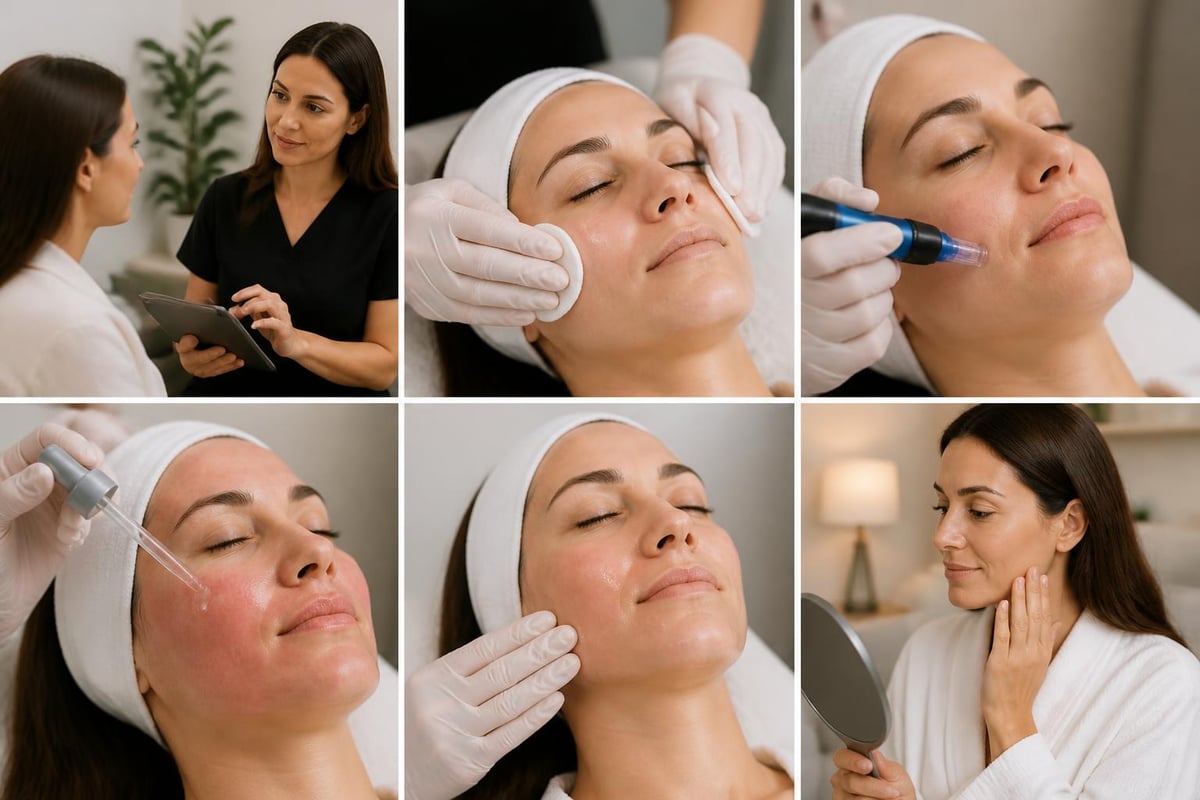
Most practitioners recommend a series of treatments for optimal results. Initial protocols typically involve three to six sessions spaced four to six weeks apart, allowing adequate time for cellular regeneration between appointments. Maintenance sessions may be scheduled every three to six months depending on individual goals and response.
During each session, the treatment area is cleansed and prepared with a topical numbing agent to ensure comfort. The microchanneling device is then applied systematically across the target zones, with growth factor serum applied both during and immediately after channel creation. Total treatment time typically ranges from 30 to 60 minutes depending on the area being addressed.
Addressing Hair Thinning and Scalp Concerns
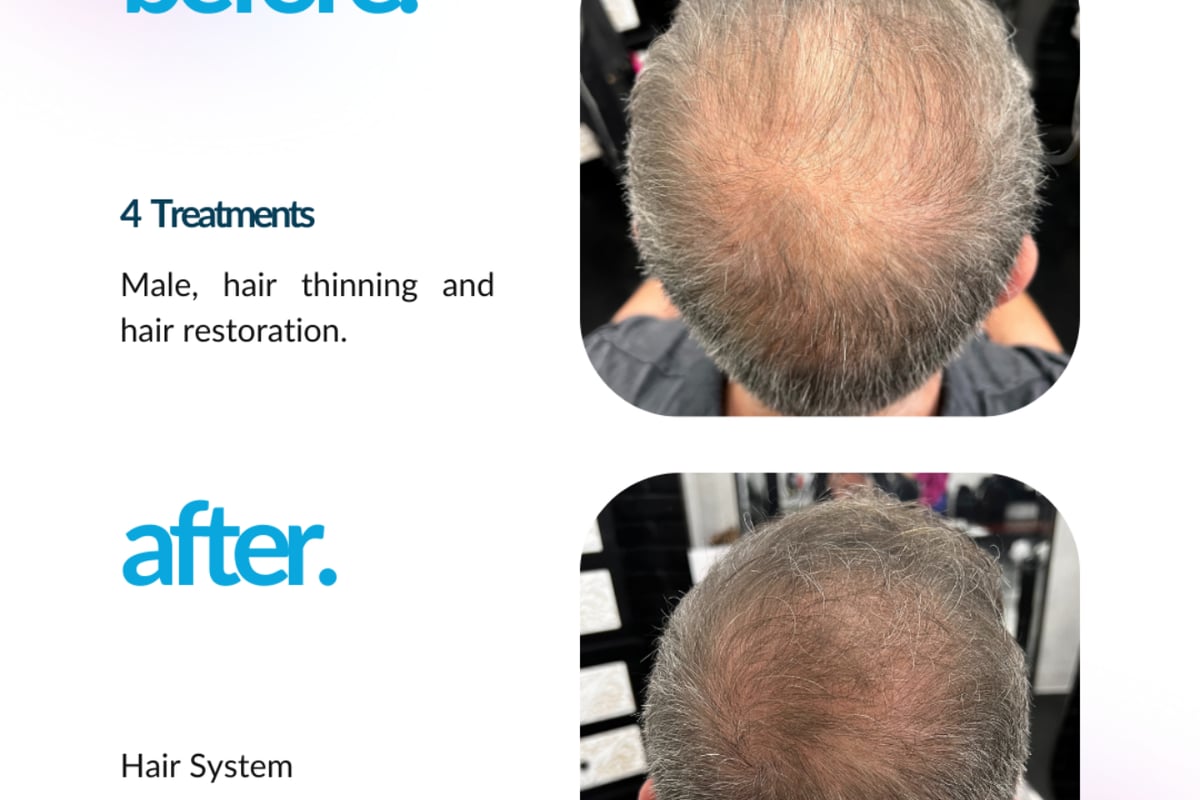
For individuals experiencing hair thinning, widening parts, or hairline recession, procell microchannelling offers a non-surgical alternative to hair restoration. The treatment activates the scalp's regenerative capacity while creating optimal conditions for hair follicle health.
The mechanism behind hair growth stimulation involves multiple pathways. Microchannels increase blood circulation to follicles, delivering essential nutrients and oxygen. The controlled injury response triggers release of growth factors naturally present in the body. Applied serums containing additional stem cell-derived proteins further support follicle activation and the transition of dormant follicles into active growth phases.
Clinical observations suggest that clients with androgenetic alopecia, stress-related shedding, or age-related thinning may see improvements in hair density and thickness when following recommended treatment protocols. Results typically become visible after the second or third session, with continued improvement over subsequent months as hair growth cycles progress.
Ideal candidates for scalp microchanneling include:
- Individuals noticing early signs of thinning at the crown or temples
- Those experiencing widening part lines or decreased overall density
- Clients seeking to enhance results from topical growth treatments
- People wanting to maintain healthy hair as a preventive measure
- Individuals who prefer non-surgical hair restoration options
The Pixie Garden Salon stands among the select establishments in Utah offering ProCell Microchanneling, a non-surgical scalp restoration treatment that combines collagen-inducing microchanneling with stem-cell-derived growth factors to support new hair growth and visibly thicker density. This specialized service brings medical-grade hair restoration technology to clients seeking evidence-based solutions for thinning concerns.
Skin Rejuvenation Applications
Beyond scalp treatment, procell microchannelling delivers impressive results for facial skin concerns. The technology addresses multiple aging and damage indicators simultaneously, making it valuable for clients seeking comprehensive improvement rather than isolated corrections.
Procell microchanneling proves particularly effective for acne scars, where the collagen remodeling process gradually fills depressed areas and smooths surface irregularities. The treatment also targets hyperpigmentation by promoting cellular turnover and evening melanin distribution. Fine lines, particularly around the eyes and mouth, soften as new collagen provides structural support to thinning skin.
Combination Treatment Strategies
Many practitioners integrate procell microchannelling with complementary therapies to amplify results. These combinations address concerns from multiple angles, accelerating improvement and extending benefits.
Common pairings include radiofrequency energy for enhanced tightening, LED light therapy to reduce inflammation and support healing, and specialized masks containing additional growth factors or hydrating ingredients. Enhancement through exosomes represents an emerging approach, with these cell-derived vesicles providing additional signaling molecules that support regeneration.
The strategic sequencing of treatments matters significantly. Certain combinations work synergistically when properly timed, while others require spacing to avoid overwhelming the skin's repair capacity. Licensed professionals assess individual skin conditions and goals to develop customized protocols that maximize benefits while maintaining safety.
Safety Considerations and Contraindications
While procell microchannelling demonstrates an excellent safety profile when performed by trained practitioners, certain conditions require careful evaluation or preclude treatment entirely. Understanding these considerations ensures optimal outcomes and prevents complications.
Absolute contraindications include:
- Active skin infections or open wounds in treatment area
- Current use of isotretinoin or recent discontinuation (within six months)
- History of keloid scarring or hypertrophic scar formation
- Bleeding disorders or current anticoagulant therapy
- Active cancer or undergoing chemotherapy
- Pregnancy or nursing
Relative contraindications requiring professional assessment:
- Active acne breakouts in treatment zone
- Recent cosmetic procedures in target area
- Autoimmune conditions affecting skin healing
- Photosensitivity disorders
- Recent sun exposure or planned sun exposure within two weeks
Proper pre-treatment preparation enhances results and reduces complication risk. This includes avoiding retinoids and exfoliating acids for several days before the session, discontinuing certain supplements that may increase bleeding, and ensuring adequate hydration for optimal healing.
Post-Treatment Care and Recovery
The quality of post-treatment care directly influences results and recovery speed. Following practitioner guidelines ensures the skin heals optimally while maximizing the benefits of growth factor serums and the body's regenerative response.
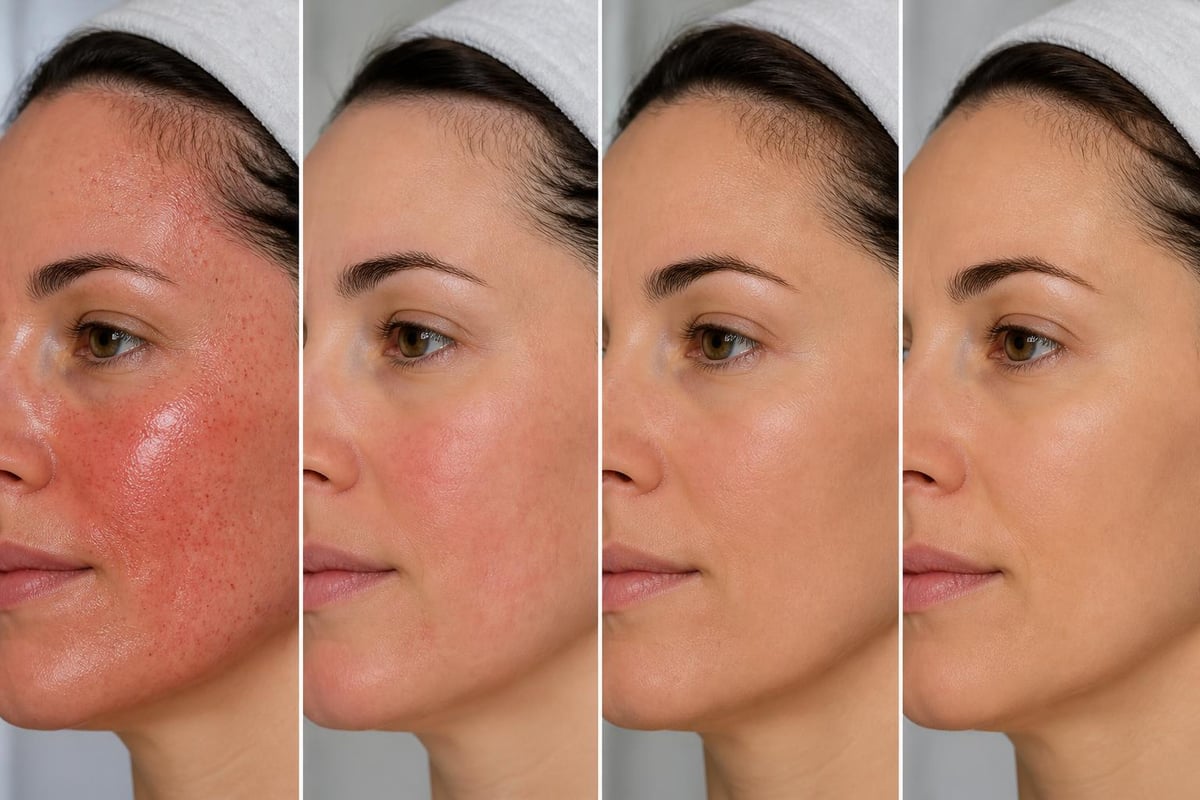
Immediately after treatment, the skin appears pink to red, similar to a moderate sunburn. This response is expected and indicates the treatment reached appropriate depth. Some clients experience mild swelling, particularly around more delicate areas like the eyes, which typically resolves within 24 hours.
Essential Aftercare Steps
For the first 24 to 48 hours, gentle cleansing with mild, fragrance-free products maintains hygiene without disrupting healing. Avoid makeup application during this initial period to prevent introducing irritants into open channels. Apply recommended post-treatment serums as directed to support regeneration and maintain hydration.
Sun protection becomes critical during the healing phase and for several weeks following treatment. The newly generated skin cells are particularly vulnerable to UV damage, which can cause hyperpigmentation and reverse treatment benefits. Broad-spectrum SPF 30 or higher should be applied diligently, with physical sunscreens containing zinc oxide or titanium dioxide often preferred over chemical formulations during initial recovery.
Activities to avoid during the first week include intense exercise that causes excessive sweating, swimming in chlorinated pools or natural bodies of water, and hot yoga or sauna sessions. These activities can introduce bacteria, cause irritation, or interfere with the healing process.
| Timeline | Expected Effects | Care Requirements |
|---|---|---|
| Day 0-2 | Redness, possible swelling | Gentle cleansing, growth factor serums, no makeup |
| Day 3-5 | Light flaking, tightness | Moisturize frequently, continue sun protection |
| Day 6-14 | Gradual normalization | Resume regular skincare gradually, maintain SPF |
| Week 3-4 | Visible improvement begins | Schedule next session if in treatment series |
Those focused on maintaining beautiful hair between treatments will appreciate that The Pixie Garden offers carefully selected products that complement professional care. Quality hair accessories and styling essentials help protect growing hair and maintain styles without causing additional stress to follicles.
Selecting a Qualified Provider
The expertise of the practitioner performing procell microchannelling significantly impacts both safety and results. This treatment requires thorough understanding of skin anatomy, proper device operation, sterile technique, and the ability to assess individual skin conditions accurately.
Qualified providers typically include licensed estheticians with advanced training, registered nurses, physician assistants, or physicians specializing in aesthetic medicine. Many have completed specific certification programs in microchanneling techniques and ProCell system operation.
When evaluating potential providers, inquire about their training credentials, experience with the specific device being used, and before-and-after photographs of previous clients with similar concerns. Established practices maintain comprehensive consultation processes that include medical history review, skin analysis, and realistic expectation setting.
The treatment environment should meet medical-grade standards for cleanliness and sterilization. Single-use, disposable cartridges should be opened in the client's presence, and all surfaces should be properly sanitized between appointments. Professional liability insurance and appropriate licensing demonstrate commitment to safety standards.
Questions to Ask During Consultation
Training and Experience:
- What specific training have you completed in ProCell microchanneling?
- How many treatments have you performed?
- Do you treat both facial skin and scalp concerns?
Treatment Customization:
- How will my individual skin type and concerns influence the treatment protocol?
- What depth settings will be used for my specific needs?
- Which growth factor serums do you recommend and why?
Results and Expectations:
- What realistic improvements can I expect from a treatment series?
- How many sessions typically produce visible results for my concern?
- What is the expected timeline for seeing changes?
Cost Considerations and Value Assessment
Investment in procell microchannelling varies based on geographic location, provider expertise, treatment area size, and whether growth factor serums are included. Facial treatments typically range from two hundred to six hundred dollars per session, while scalp treatments may cost slightly more due to the specialized serums and larger treatment areas involved.
Most providers offer package pricing for treatment series, reducing the per-session cost when multiple appointments are purchased together. These packages often include complementary post-treatment products or follow-up consultations, adding value beyond the treatments themselves.
When assessing value, consider the treatment's longevity compared to alternatives. Surgical hair restoration procedures carry significantly higher upfront costs and recovery requirements. Injectable treatments require regular maintenance at comparable or higher per-session prices. Topical products alone rarely deliver the comprehensive improvements achieved through microchanneling's combination of mechanical stimulation and growth factor delivery.
The cumulative benefits also matter. Beyond addressing immediate concerns, procell microchannelling improves overall skin and scalp health, potentially reducing future treatment needs and supporting better results from complementary skincare products and styling routines.
Integration with Comprehensive Hair Care
For individuals investing in scalp microchanneling for hair restoration, supporting treatments with appropriate daily care maximizes results. The improved absorption created by microchannels makes the quality of applied products particularly important during the weeks following each session.
Growth-supporting ingredients like biotin, caffeine, and peptides penetrate more effectively when channels are present, extending treatment benefits between professional appointments. Gentle cleansing that maintains scalp health without stripping natural oils creates an optimal environment for follicle function. Avoiding harsh chemical treatments, excessive heat styling, and tight hairstyles that create tension on follicles protects newly activated growth.
Nutritional support also contributes to hair health outcomes. Adequate protein intake provides building blocks for hair structure, while vitamins and minerals like iron, zinc, vitamin D, and B-complex vitamins support follicle metabolism and growth cycles. Hydration affects both skin healing and hair health, making consistent water intake important throughout treatment series.
The Pixie Garden's expertise in professional hair care extends beyond accessories to understanding what truly supports hair health and beautiful styling results. This knowledge base proves valuable when clients seek guidance on maintaining microchanneling results through daily routines and product selection.
The ProCell Advantage in Modern Aesthetics
The increasing adoption of procell microchannelling by licensed professionals reflects broader shifts in aesthetic medicine toward treatments that work with the body's natural processes rather than against them. This approach offers several advantages over more invasive alternatives.
Non-surgical treatments eliminate risks associated with anesthesia, incisions, and extended recovery periods. The precision of modern microchanneling technology allows targeted treatment of specific concerns without affecting surrounding tissue. Results develop gradually as natural healing progresses, avoiding the dramatic changes that can appear artificial.
The treatment's versatility also contributes to its value. ProCell microchanneling addresses various concerns from fine lines and scars to hair thinning and texture issues, making it applicable across diverse client needs and age ranges. This multi-functional capability often means a single treatment modality can address multiple concerns simultaneously.
Evidence-based protocols developed through clinical observation and research provide practitioners with clear guidelines for treatment parameters, session frequency, and expected outcomes. This scientific foundation differentiates modern microchanneling from trend-based treatments lacking substantive support.
ProCell microchannelling represents a significant advancement in non-surgical regenerative treatments, offering evidence-based solutions for both skin rejuvenation and hair restoration with minimal downtime. The Pixie Garden Salon brings this specialized treatment to Utah clients while also providing the curated hair accessories and professional styling products that help maintain beautiful results between appointments. Whether you're addressing hair thinning concerns through ProCell treatment or seeking the perfect accessories to style and protect your hair, The Pixie Garden combines licensed expertise with carefully selected products designed for professional results.
ProCell Microchanneling Hair Regrowth Treatment in Davis County, Utah
Pixie Garden Salon offers ProCell Microchanneling hair regrowth treatments throughout the Davis County area. Licensed cosmetologist Delena Markland performs every treatment in a clean, professional salon environment. Book your consultation at one of the locations below:
- ProCell Hair Treatment in Syracuse, Utah
- ProCell Hair Treatment in Layton, Utah
- ProCell Hair Treatment in Farmington, Utah
- ProCell Hair Treatment in Roy, Utah
- ProCell Hair Treatment in Kaysville, Utah
- ProCell Hair Treatment in Clearfield, Utah
- ProCell Hair Treatment in West Point, Utah
- ProCell Hair Treatment in Bountiful, Utah
Explore related hair restoration guides: understanding microchanneling for hair loss, how DHT causes hair thinning, science-backed hair regrowth strategies, and postpartum hair loss and treatment options.
