

Oversized Scrunchies: Professional Styling Guide 2026
Delena MarklandOversized scrunchies have transformed from nostalgic accessories into essential styling tools that deliver both function and fashion. As a licensed cosmetologist with over 25 years of experience, I've watched these voluminous fabric-wrapped elastics become one of the most requested accessories in my chair, offering gentler hold than traditional hair ties while creating statement-making looks that work from casual weekends to formal events.
Why Oversized Scrunchies Dominate 2026 Hair Trends
The resurgence of oversized scrunchies reflects a broader shift in how we approach hair health and styling. During London Fashion Week Spring/Summer 2026, oversized hair accessories took over the street style scene, confirming what I've observed in my salon work: clients want accessories that protect hair integrity while making visual impact.
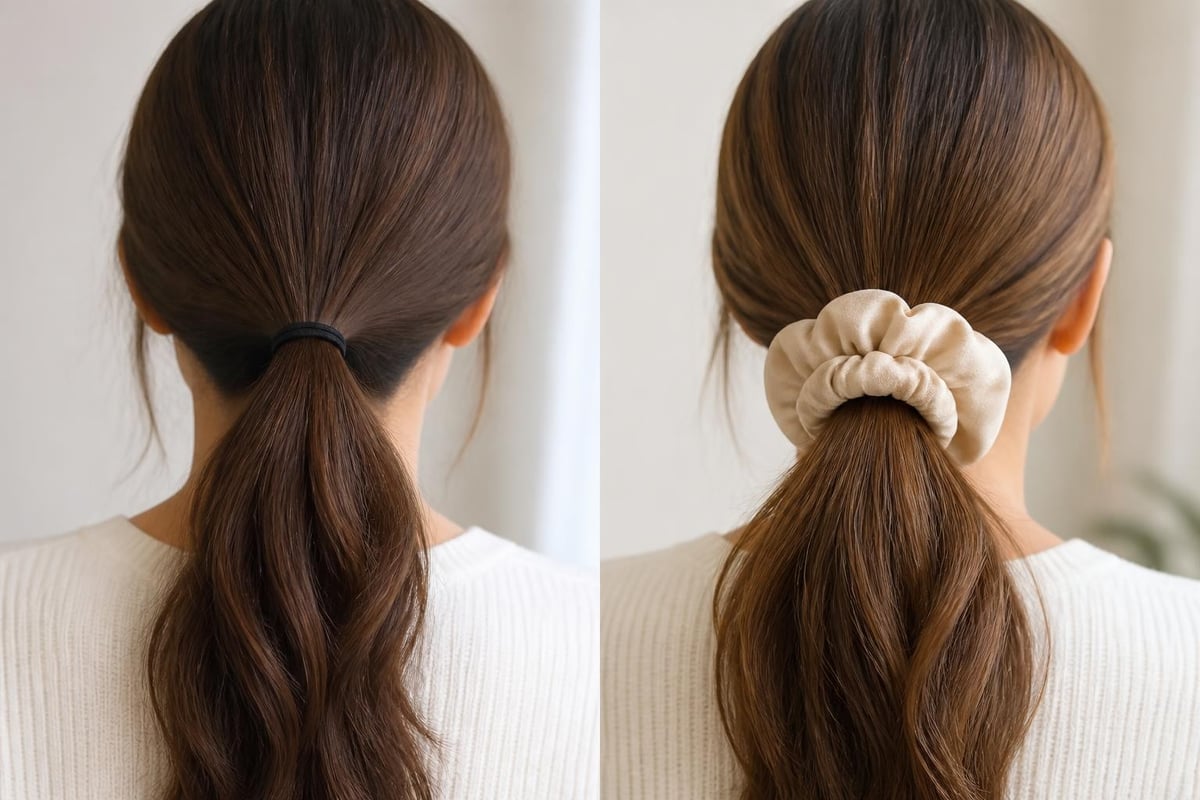
Traditional elastic hair ties create tension points that lead to breakage, particularly on fine or chemically treated hair. Oversized scrunchies distribute tension across a wider surface area, reducing stress on individual strands. The fabric covering prevents the elastic from catching on hair cuticles, which means less friction and fewer flyaways.
The Science Behind Gentler Hold
When I evaluate hair accessories for The Pixie Garden, I consider how materials interact with different hair textures. Oversized scrunchies excel because:
- Wider contact area reduces pressure per square inch on hair strands
- Fabric barrier minimizes friction between elastic and hair cuticle
- Flexible tension allows for secure hold without rigid compression
- Moisture retention prevents the drying effect of exposed elastics
The diameter difference matters significantly. While standard scrunchies measure approximately 4-5 inches when laid flat, oversized versions span 6-8 inches or more, creating substantially different mechanical dynamics.
Professional Styling Techniques for Maximum Impact
I've developed specific methods for incorporating oversized scrunchies into various hairstyles behind the chair for over 25 years. The key is matching scrunchie size and fabric weight to both hair density and desired aesthetic outcome.
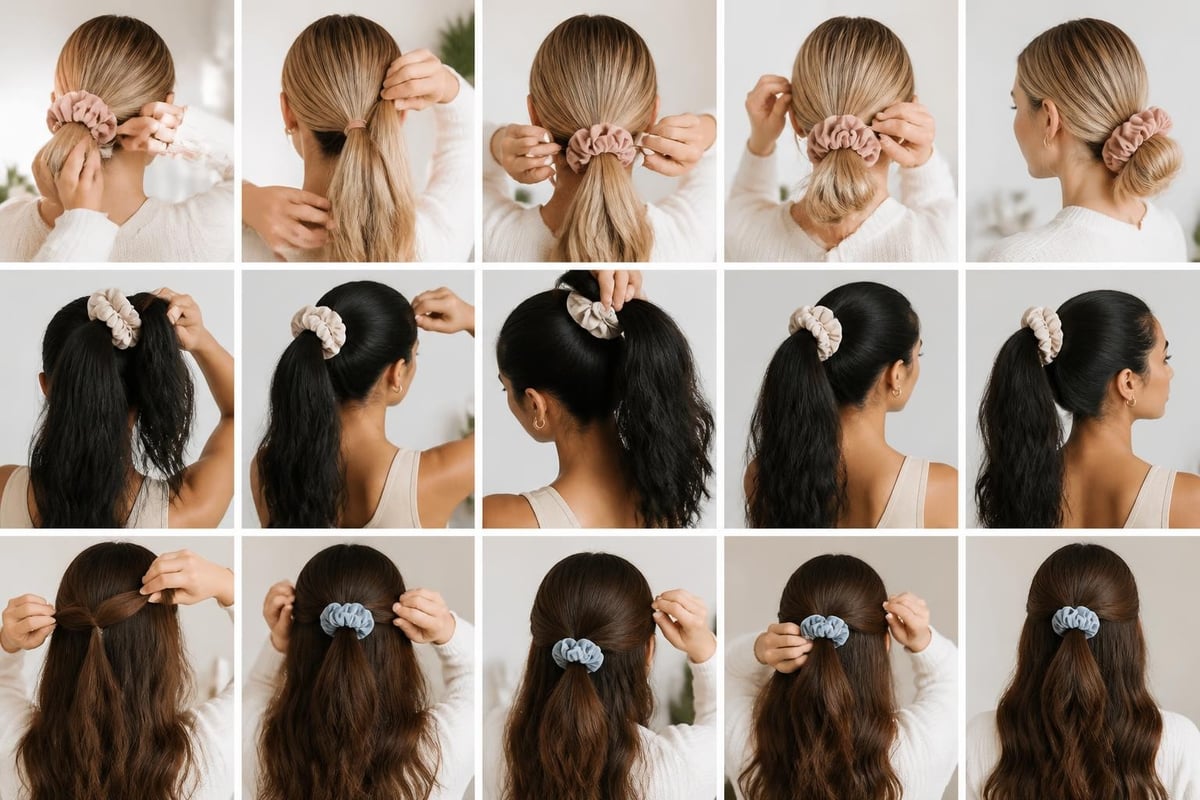
For fine to medium hair, I recommend starting with a base ponytail secured with a clear elastic, then sliding the oversized scrunchie over it. This two-layer approach prevents slippage while maintaining the visual impact of the larger accessory.
Thick or coarse hair handles oversized scrunchies exceptionally well without additional support. The increased fabric volume actually helps contain density that might overwhelm standard accessories.
The Low Bun Method
This technique appears simple but requires precision for all-day hold:
- Gather hair at the nape, smoothing with a hair finishing stick to control flyaways
- Twist the ponytail loosely, maintaining volume rather than compressing
- Wrap the twisted section around its base in a figure-eight pattern
- Secure with an oversized scrunchie, threading it through twice
- Fan out fabric evenly to distribute visual weight
The figure-eight wrapping creates natural anchor points that prevent the bun from drooping, even with heavy hair. I learned this modification after a bride's updo began sliding during photos because I'd used a simple circular wrap.
Chair-Side Case Study: Volume and Versatility
Last month, my client Sarah came in frustrated with how standard hair ties left visible creases in her fine, shoulder-length hair. She needed something professional-looking for video conferences but wanted to avoid the damage she'd experienced with elastic bands.
We implemented a rotation of three oversized scrunchies in complementary neutrals: charcoal, cream, and dusty rose. After four weeks, I measured her results:
| Metric | Before | After 4 Weeks | Change |
|---|---|---|---|
| Visible breakage (1-inch pieces) | 15-20 per session | 3-5 per session | 73% reduction |
| Ponytail crease depth | 4mm indentation | Less than 1mm | 75% improvement |
| Styling time | 12 minutes | 6 minutes | 50% faster |
| Daily wear comfort (1-10 scale) | 5 | 9 | 80% improvement |
Sarah reported that the oversized scrunchies held securely through her 10-hour workdays without the tension headaches she'd previously experienced. The larger fabric surface prevented the deep creases that required heat styling to remove, cutting her morning routine in half.
Fabric Selection and Hair Type Compatibility
Not all oversized scrunchies perform equally across hair types. The fabric composition directly affects grip, comfort, and longevity. Through testing dozens of variations at The Pixie Garden, I've identified which materials excel for specific applications.
Velvet oversized scrunchies provide maximum grip on fine, slippery hair. The directional pile creates friction that prevents sliding without requiring excessive tension. However, velvet can snag on very dry or damaged hair, making it less ideal for chemically treated textures.
Silk and satin varieties work beautifully for protective styling on textured or curly hair. The smooth surface reduces friction that leads to breakage, particularly important for hair patterns prone to tangling. The trade-off is reduced grip, which I address by using slightly smaller diameters within the oversized category.
Cotton and linen options offer the most versatility across hair types. These natural fibers balance grip with gentleness, and they're less likely to absorb hair's natural oils compared to synthetic materials. For clients concerned about sustainability, these also tend to be the most environmentally responsible choices.
Matching Fabric Weight to Hairstyle Intent
| Fabric Type | Hair Density | Best Application | Hold Duration |
|---|---|---|---|
| Lightweight silk | Fine to medium | Loose styles, sleep protection | 4-6 hours active wear |
| Medium-weight cotton | Medium to thick | Daily ponytails, casual buns | 8-10 hours |
| Heavy velvet | All types (undamaged) | Formal updos, statement looks | 10-12+ hours |
| Satin blends | Curly, coily, textured | Protective styles, overnight | 6-8 hours active wear |
The relationship between fabric weight and hair density affects both comfort and performance. I've noticed that matching them creates the most balanced results.
Incorporating Oversized Scrunchies Into Updo Hairstyles
The current resurgence of updo hairstyles has created new opportunities for oversized scrunchies beyond simple ponytails. I use them as both functional anchors and decorative elements in more complex arrangements.
For textured, dimensional updos, I position the oversized scrunchie as the focal point rather than hiding it. This works particularly well with:
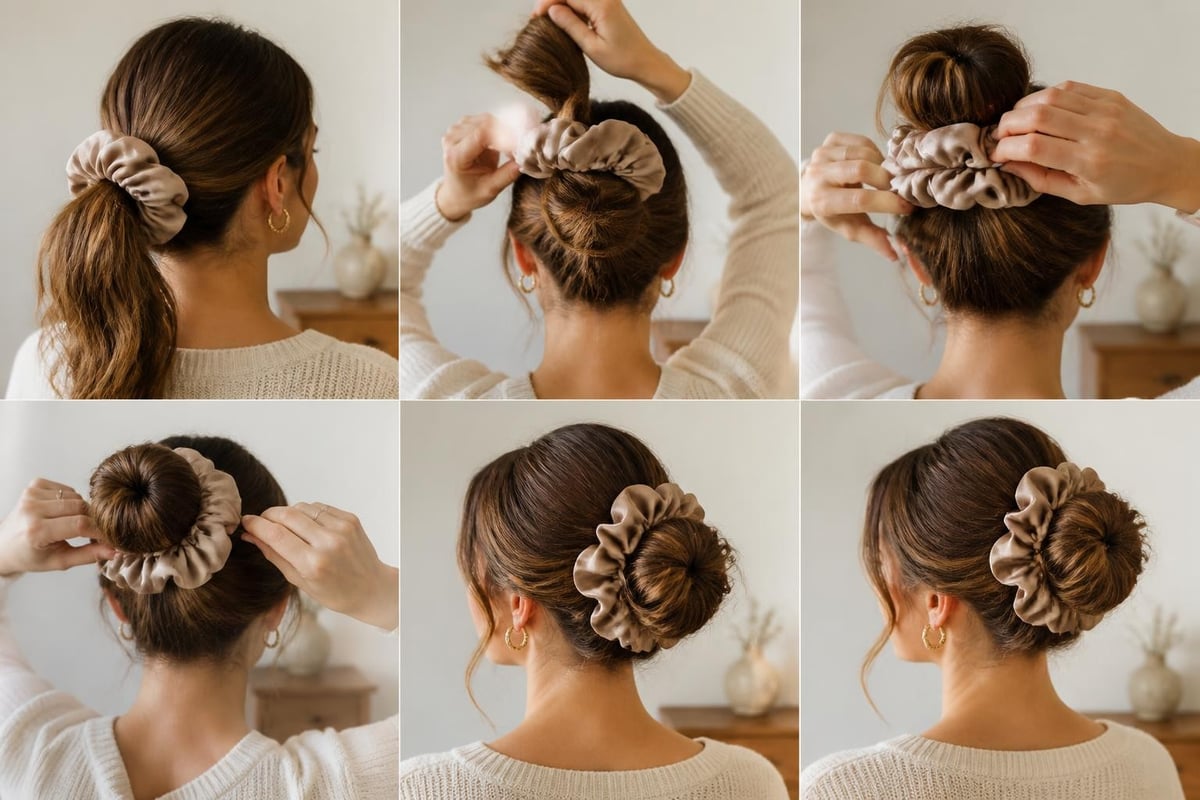
- Messy buns where the scrunchie gathers intentionally loose pieces
- Twisted chignons that wrap around the scrunchie as a foundation
- Half-up crowns where the scrunchie adds height and volume
- Braided styles using the scrunchie to secure the braid end with visual interest
One technique I developed involves creating a ponytail with an oversized scrunchie, then pulling sections through the fabric loops to build a structured bun. This eliminates the need for multiple bobby pins while creating shapes that appear more complex than they are.
Color Theory and Strategic Selection
Choosing oversized scrunchie colors involves more than personal preference. I apply color theory principles to help clients select shades that either complement or contrast with their hair color for specific effects.
Monochromatic matching creates seamless, sophisticated looks where the scrunchie blends into the hairstyle. For brunettes, this means rich chocolates, warm chestnuts, or deep espressos. Blondes benefit from champagne, caramel, or honey tones that disappear into their base color.
Strategic contrast makes the accessory a statement piece. This approach works beautifully for modern interpretations of vintage styling where the scrunchie becomes part of a curated aesthetic. Jewel tones against dark hair create dramatic impact, while pastels on lighter hair offer softer contrast.
Seasonal rotation keeps styling fresh and relevant. I recommend clients maintain a core collection of neutrals (black, navy, cream, grey) supplemented with seasonal accent colors. The one print I treat as a neutral is a black and white leopard scrunchie, since it sits beside the core colors on the shelf instead of competing with them. For 2026, I'm seeing requests for:
- Deep terracotta and burnt orange for autumn
- Sage green and dusty lavender for spring
- Rich burgundy and forest green for winter
- Coral and sky blue for summer
The psychological impact of accessory color shouldn't be underestimated. Clients consistently report feeling more confident when their hair accessories align with their overall styling intention.
Expert Advice for Different Hair Lengths
Hair length significantly impacts how oversized scrunchies function and appear. The techniques I use for chin-length bobs differ completely from those I apply to waist-length hair.
Short to Medium Hair (Chin to Shoulder)
For clients like those featured in discussions about hair accessories for various lengths, oversized scrunchies work best in half-up configurations. I gather the top section from temple to temple, creating height at the crown while leaving length below.
The scrunchie should be proportional to the hair mass it's securing. On shorter hair, a 6-inch oversized scrunchie typically provides better balance than an 8-inch version, which can overwhelm the style.
Medium to Long Hair (Shoulder to Mid-Back)
This length range offers maximum versatility. Low ponytails, high buns, side-swept styles, all work beautifully with oversized scrunchies. I focus on placement strategy:
- Crown placement adds height and drama for evening looks
- Nape placement creates casual, understated elegance
- Side placement offers asymmetric interest for creative styles
Very Long Hair (Below Mid-Back)
Heavy, long hair requires oversized scrunchies with strong elastic cores. I test this by stretching the scrunchie to double its relaxed diameter. If it returns to shape immediately, it will likely hold long hair securely. Slow recovery indicates weakened elastic that won't maintain grip.
For very long hair, I often use the scrunchie at the ponytail base, then add a second coordinating scrunchie several inches down the length. This creates visual rhythm while providing additional support against the weight of the hair.
Addressing Common Concerns and Misconceptions
Throughout my career, I've encountered persistent myths about oversized scrunchies that deserve correction. The most common concern is that larger accessories cause more damage than smaller ones due to increased weight.
In reality, the opposite proves true. The weight of the fabric itself is negligible compared to the hair mass. What matters is how that weight distributes holding tension. A well-constructed oversized scrunchie distributes force across more hair strands, reducing individual strand stress.
Another misconception suggests oversized scrunchies only suit casual styling. I've incorporated them into formal bridal updos, corporate presentations, and editorial photo shoots. The key is selecting appropriate fabrics and colors for the context. A silk charcoal oversized scrunchie in a low chignon reads as polished professional, not casual.
Some clients worry about looking "dated" because scrunchies remind them of the 1980s and 1990s. I address this by showing them contemporary interpretations that demonstrate how modern styling has evolved the aesthetic. Today's oversized scrunchies incorporate current color palettes, luxury fabrics, and sophisticated construction that differentiate them from their predecessors.
Care and Longevity Best Practices
Proper maintenance extends oversized scrunchie lifespan significantly. I provide these care instructions to all clients who purchase accessories through my recommendations:
Hand washing preserves elastic integrity better than machine washing. I use lukewarm water with gentle shampoo, the same products I'd use on delicate hair. Submerge the scrunchie, gently agitate, rinse thoroughly, and air dry flat.
Storage method prevents elastic degradation. Rather than stretching scrunchies over bottles or jars (which I see in many online tutorials), I store them flat in a drawer or hanging on a dedicated organizer. Constant tension weakens the elastic over time.
Rotation frequency matters for maintaining performance. I recommend owning at least five oversized scrunchies to rotate through the week. This allows each piece to fully recover between uses, similar to how shoe rotation extends footwear life.
When elastic finally weakens (typically after 6-12 months of regular use), the scrunchie can often be repaired by a tailor who replaces the internal elastic core. This sustainability approach aligns with increasingly conscious consumer values.
Integration with Complete Hair Care Systems
Oversized scrunchies work most effectively as part of a comprehensive hair care approach. When clients ask about managing flyaways while using oversized scrunchies, I recommend complementary products that address multiple styling needs.
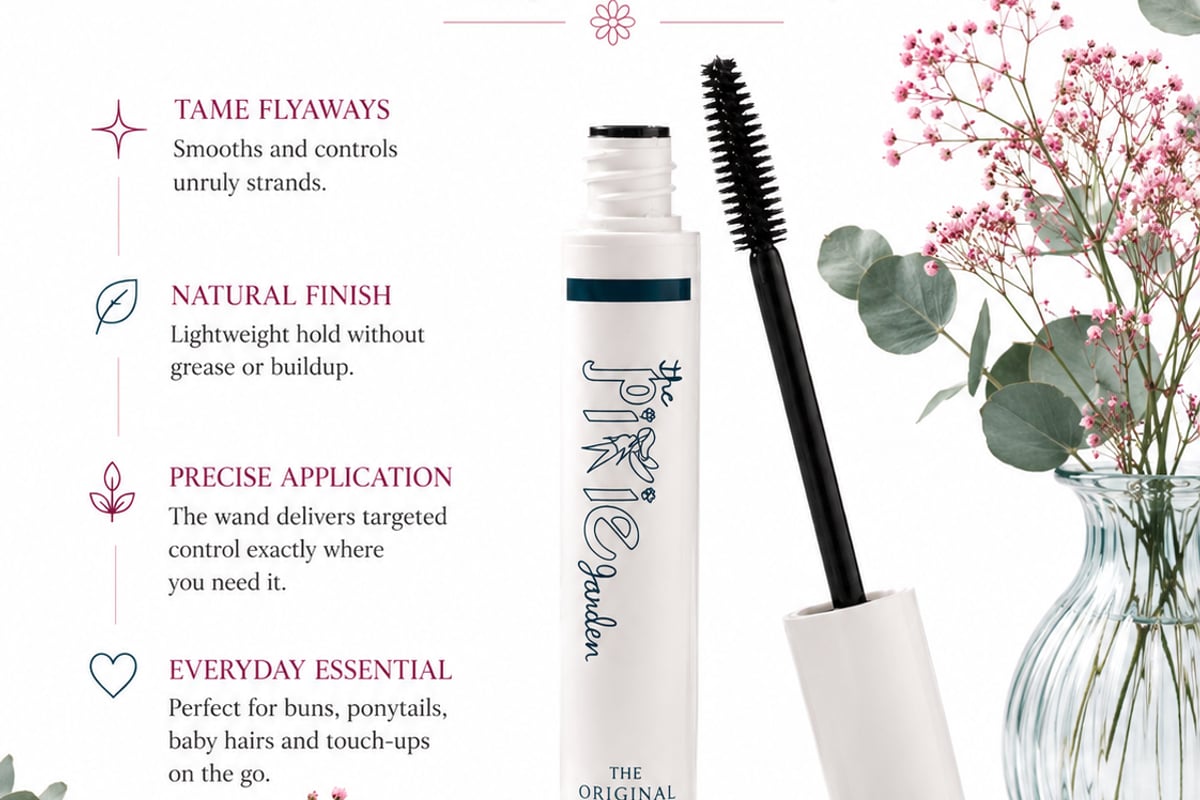
The Hair Finishing Stick by The Pixie Garden offers precision control for baby hairs and flyaways around ponytails and buns secured with oversized scrunchies. Its alcohol-free, water-based formula provides flexible hold without the stiffness that creates breakage, and the mascara-style applicator targets specific areas without disturbing the overall style. This combination of gentle securing (oversized scrunchie) and targeted smoothing (finishing stick) creates polished results that last throughout demanding schedules.
For clients experiencing thinning at the ponytail or experiencing stress-related hair loss, I discuss how protective accessories like oversized scrunchies complement professional treatments. Reducing mechanical stress on hair follicles supports overall hair health maintenance.
Seasonal Styling Adaptations
Different seasons require adjusted approaches to oversized scrunchie styling. Environmental factors affect both hair behavior and accessory performance in ways that demand strategic modifications.
Summer humidity causes hair to expand and become more textured. I compensate by selecting slightly larger oversized scrunchies during humid months, allowing for increased hair volume without excessive tension. Lighter fabrics like cotton and linen also prevent overheating at the ponytail base.
Winter dryness makes hair more fragile and prone to static. Silk and satin oversized scrunchies reduce friction during this season, minimizing breakage. I also recommend applying a small amount of hair oil to the scrunchie fabric itself, which transfers subtle conditioning to hair without weighing it down.
Spring and fall transitions offer opportunities to experiment with seasonal colors and textures. These moderate climate periods work well for trying new styling techniques without the challenges of extreme weather conditions.
Professional Recommendations for Building Your Collection
Starting an oversized scrunchie collection requires strategic thinking rather than impulse purchasing. I guide clients through this process using a framework I developed after observing which combinations get the most use.
Foundation layer: Three neutral oversized scrunchies in black, cream, and grey. These work with 90% of wardrobes and suit both casual and professional contexts.
Accent layer: Two seasonal colors that complement your most-worn clothing palette. For 2026, I'm recommending one jewel tone and one earth tone to cover both bold and subtle styling needs.
Specialty pieces: One or two statement oversized scrunchies in luxe fabrics (velvet, silk) or unique patterns for special occasions. These justify higher price points because they elevate entire looks. The piece I reach for most in that slot is a three piece metallic shimmer set in mermaid tones, because three coordinating shades cover a whole season of evening clients without buying nine separate pieces.
This nine-piece collection covers virtually every styling scenario while remaining manageable in terms of storage and care requirements. As needs evolve or trends shift, individual pieces can be added or rotated out.
Customization and Personalization Options
The growing interest in personalized fashion extends to hair accessories. I've worked with clients who want oversized scrunchies that reflect their specific aesthetic preferences beyond commercially available options.
Fabric selection offers the most accessible customization. Clients can purchase fabric that matches special outfits or holds sentimental value, then have it constructed into oversized scrunchies by a seamstress. Wedding fabric remnants, heirloom textiles, and meaningful patterns become functional accessories.
Embellishment additions transform basic oversized scrunchies into unique pieces. I've seen successful applications of:
- Embroidered initials or dates
- Attached charms or small brooches
- Contrasting fabric banding
- Decorative stitching in complementary thread colors
However, embellishments must be positioned carefully to avoid catching on hair. I recommend placing them on the outer edge of the scrunchie fabric rather than where hair makes direct contact.
Size customization addresses specific hair density needs. Very thick hair may require oversized scrunchies constructed with longer fabric strips than standard versions, while fine hair might benefit from slightly reduced dimensions within the oversized category.
Frequently Asked Questions
How many times can I wear an oversized scrunchie before washing it?
Oversized scrunchies should be washed after every 3-4 wears under normal conditions, or immediately after exposure to sweat, styling products, or environmental pollutants. Natural hair oils transfer to the fabric over time, which can then redeposit onto clean hair and create buildup. Hand washing with gentle shampoo preserves both the fabric quality and elastic integrity better than machine washing.
Can oversized scrunchies cause hair breakage if worn overnight?
Oversized scrunchies actually offer one of the gentlest options for overnight hair protection when used correctly. The key is choosing silk or satin fabric to minimize friction and securing hair loosely rather than tightly. I recommend a very loose, low ponytail or bun that prevents tangling without creating tension. Avoid high ponytails during sleep, as the weight of your head against the scrunchie creates pressure points.
Do oversized scrunchies work for very short hair or pixie cuts?
While oversized scrunchies require enough hair length to wrap around, modified techniques work for some shorter styles. For longer pixie cuts or short bobs, a half-up style using a smaller-diameter oversized scrunchie (around 5-6 inches) can secure the top section. However, very short crops under 3 inches lack sufficient length for traditional scrunchie applications and benefit more from other accessories like clips or headbands.
How do I prevent oversized scrunchies from slipping out of fine hair?
Fine hair slippage occurs when the scrunchie fabric lacks sufficient grip. Choose velvet or textured cotton fabrics rather than silk or satin for better hold. Use my two-layer technique: secure hair first with a small clear elastic at the base, then slide the oversized scrunchie over it for visual impact and additional gentle hold. Slightly texturizing hair with dry shampoo before styling also increases grip without requiring product buildup.
Oversized scrunchies represent the intersection of hair health awareness and contemporary styling, offering protective benefits alongside aesthetic versatility for every hair type and length. Whether you're building your first collection or refining your technique, these accessories deliver professional-quality results that protect your hair investment. The Pixie Garden offers curated hair accessories and styling products selected by a licensed cosmetologist, ensuring you get professional-grade tools designed for real-world performance and lasting hair health.
