

Natural Lice Treatment That Actually Works
Delena MarklandI need to be honest with you from the start: after years of working with clients dealing with lice, I've seen nearly every natural remedy parents try, and most of them simply don't work the way you hope they will. The only natural lice treatment that reliably eliminates an infestation is systematic wet-combing with a quality metal nit comb, repeated every three to four days for two full weeks. Oils, mayonnaise, and other smothering agents might slow down adult lice, but they do not kill nits, and that's where most natural approaches fail. If you're committed to avoiding chemical treatments, you need to understand exactly what works, what doesn't, and how to execute the wet-combing protocol correctly.
Understanding Why Most Natural Remedies for Lice Fail
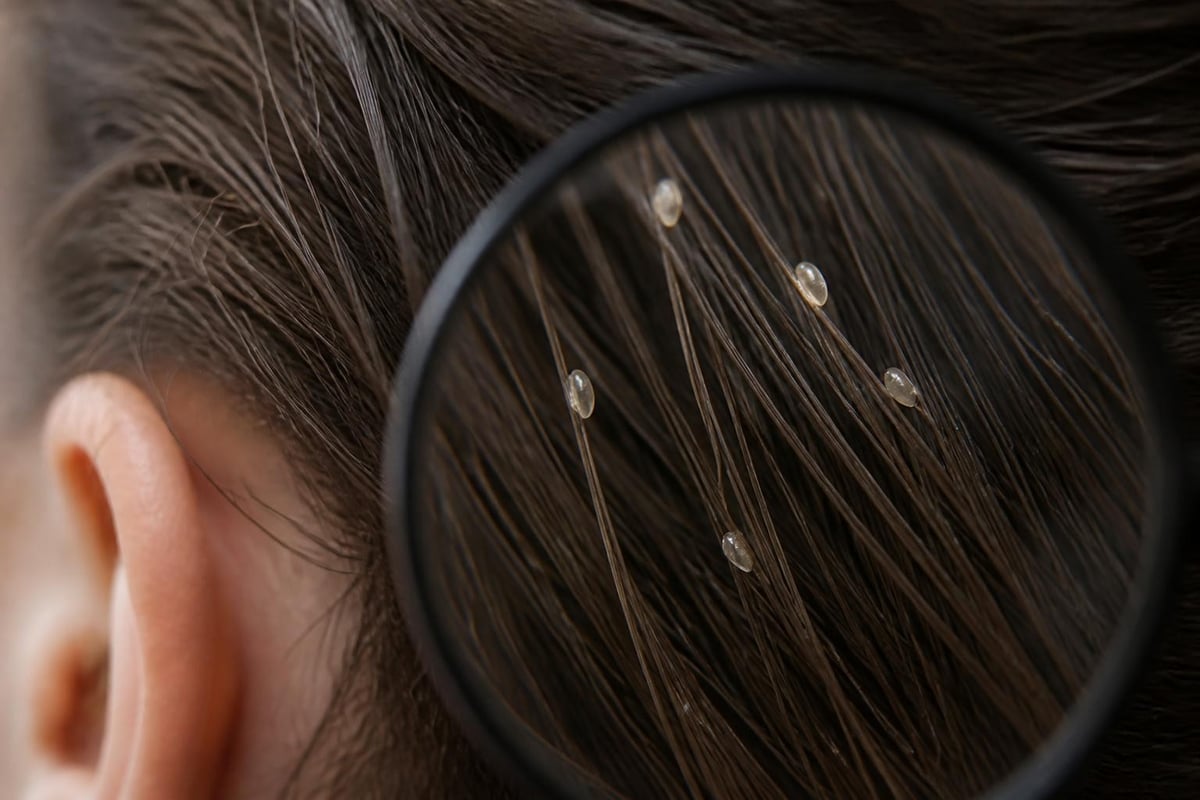
The fundamental problem with most home remedies is biology. Lice nits are cemented to the hair shaft with a substance so strong that it survives washing, conditioning, and even many chemical treatments. When parents turn to natural remedies like mayonnaise or olive oil, they're attempting to suffocate adult lice, but nits have a protective shell that allows them to survive oxygen deprivation for hours.
Tea tree oil is frequently recommended, but research shows it has limited effectiveness against live lice and virtually none against nits. While some studies suggest concentrated tea tree oil can kill adult lice on contact, the concentration required is often too strong for safe scalp application, especially on children.
Vinegar is another popular suggestion because it's supposed to dissolve the glue holding nits to hair. In practice, vinegar may loosen some nits slightly, but it does not kill them or guarantee their removal. You still need to comb every single one out manually.
| Home Remedy | Effect on Adult Lice | Effect on Nits | Actual Effectiveness |
|---|---|---|---|
| Mayonnaise | May slow movement | None | Very low |
| Olive oil | May suffocate some | None | Very low |
| Tea tree oil (diluted) | Minimal repellent effect | None | Low |
| Vinegar | None | May slightly loosen | Low |
| Coconut oil | May trap some adults | None | Low to moderate |
This is why the wet-combing method remains the gold standard for natural lice treatment. It physically removes both adult lice and nits through systematic, meticulous work.
The Wet-Combing Protocol: Step-by-Step Instructions
This is the protocol I walk clients through when they want to avoid chemical treatments. It requires time, patience, and precision, but it works if you commit to the full two-week cycle.
Step One: Gather Your Tools and Prepare the Hair
You need a metal nit comb with teeth spaced no more than 0.2-0.3mm apart. Plastic combs from drugstores will not catch nits reliably. I recommend investing in a professional-grade metal comb designed specifically for nit removal.
Prepare the hair by:
- Washing with regular shampoo and rinsing thoroughly
- Applying a generous amount of regular conditioner (not leave-in)
- Keeping hair soaking wet throughout the entire combing process
- Having a bowl of hot water, paper towels, and good lighting ready
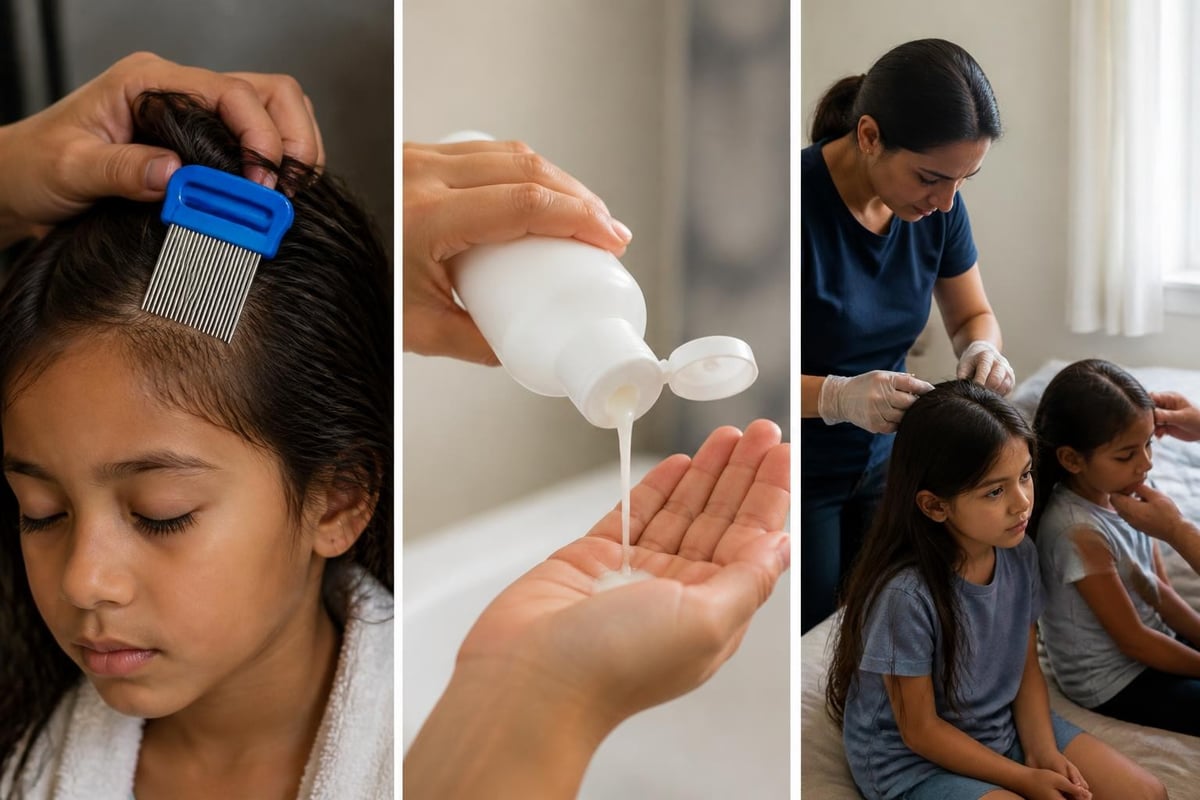
The conditioner serves a critical purpose: it immobilizes lice temporarily, making them easier to comb out, and it helps the comb glide through hair without painful snagging.
Step Two: Section and Systematically Comb Every Strand
Divide the hair into four quadrants using clips. Work with sections no thicker than half an inch. This is where most people fail with natural lice treatment; they don't section small enough or they skip areas.
For each section:
- Comb from the scalp all the way to the ends in one smooth stroke
- Wipe the comb on a white paper towel after every single stroke
- Inspect what came out: look for tiny brown bugs (adult lice) and small tan or white oval eggs (nits)
- Rinse the comb in hot water between strokes
- Mark completed sections with a clean clip
This process takes 45 minutes to two hours depending on hair length and thickness. You cannot rush it. When I work with families dealing with particularly challenging infestations, systematic approaches like the ones discussed in functional health contexts remind us that thoroughness beats speed every time.
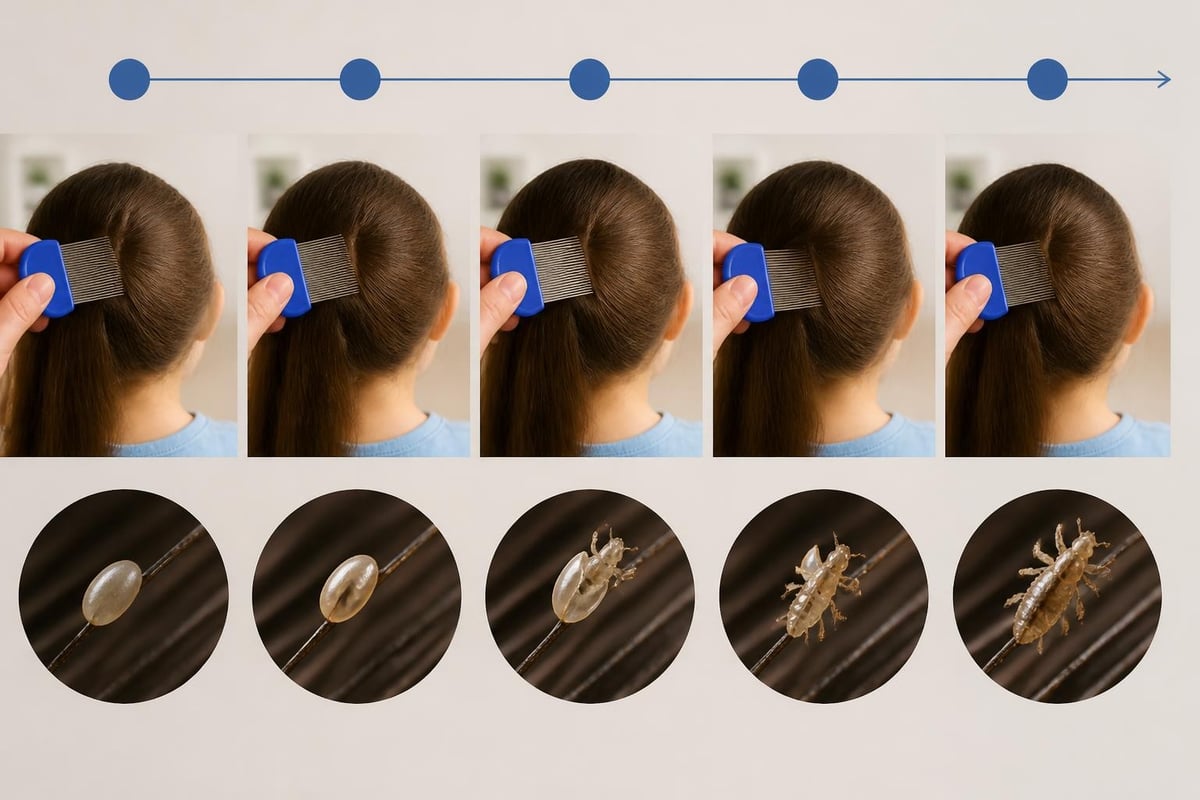
Step Three: Repeat Every Three to Four Days for Two Weeks
Here's the critical piece most people miss: lice nits take seven to ten days to hatch. If you comb out all visible lice and nits today but miss even three or four nits, those will hatch in a week and restart your infestation.
Your combing schedule should be:
- Day 1: Initial thorough wet-combing (1-2 hours)
- Day 4: Second complete wet-combing session
- Day 7: Third complete wet-combing session
- Day 10: Fourth complete wet-combing session
- Day 14: Final inspection and combing session
Between sessions, check hair daily with your fingers at the nape of the neck and behind the ears, where nits are most commonly laid. If you find any new nits or live lice, add an extra combing session.
Environment Cleaning and Prevention
Natural lice treatment isn't just about hair; it's about breaking the transmission cycle. Lice cannot survive more than 24 to 48 hours off the human scalp, but you still need to address items that had direct head contact in the 48 hours before treatment started.
Cleaning protocol:
- Wash bedding, pillowcases, and recently worn hats in hot water (130°F minimum) and dry on high heat for 30 minutes
- Bag stuffed animals and non-washable items in sealed plastic bags for 72 hours
- Vacuum upholstered furniture, car seats, and any fabric headrests
- Soak hair accessories, brushes, and combs in hot water (not boiling) for 10 minutes
Items that do NOT need special treatment:
- Carpets beyond basic vacuuming
- Mattresses (lice don't burrow into mattresses)
- Entire households of clothing
- Pet bedding (lice are human parasites only)
The panic-driven deep cleaning that many families undertake is usually unnecessary. Focus your energy on the hair, not the house. According to research on effective home remedies and cleaning protocols, the systematic combing matters far more than environmental treatment.
What Hair Accessories Can and Cannot Do During Treatment
Parents often ask me about hair accessories during a lice outbreak. Let me be clear: accessories don't cause lice, but they can complicate treatment and potentially spread an infestation if shared.
During active treatment, avoid sharing any hair accessories between family members. If your child has lice and uses a headband or clip, that item needs to be cleaned before anyone else uses it. After each combing session, I recommend securing hair in a simple braid or bun to reduce hair-to-hair contact at school.
Once you've completed the two-week protocol and confirmed no live lice or viable nits remain, you can return to normal accessory use. Just establish a household rule: hair accessories are personal items, not shared items, even between siblings.
When Natural Methods Aren't Enough
I believe in giving natural lice treatment a fair chance, but I also believe in knowing when to move to proven treatment options. After working as a licensed cosmetologist for years, I've learned that some situations require more aggressive intervention.
You should consider moving beyond wet-combing alone if:
- You've completed the full two-week protocol correctly and still find live lice
- The infestation is severe (more than 20 lice or nits visible in a single combing session)
- You have multiple family members infected simultaneously
- School or daycare policies require verified treatment before return
- Your child has a scalp condition that makes repeated combing painful
In these situations, a quality lice treatment kit combines proven ingredients with the physical removal process. You're not abandoning the natural approach entirely; you're supplementing the combing protocol with targeted treatment that actually kills nits.
Managing Flyaways and Baby Hairs During Treatment
One unexpected challenge during lice treatment is managing the fine baby hairs and flyaways that make thorough combing difficult. When hair is freshly washed and conditioned for wet-combing, these shorter hairs often stick up and can hide nits.
This is where having the right styling tools becomes valuable. A Hair Finishing Stick designed for taming flyaways and baby hairs can help smooth these areas down before and during combing sessions, making it easier to see and remove every nit. The precision application allows you to target those difficult areas around the hairline and behind the ears where nits are most commonly attached.
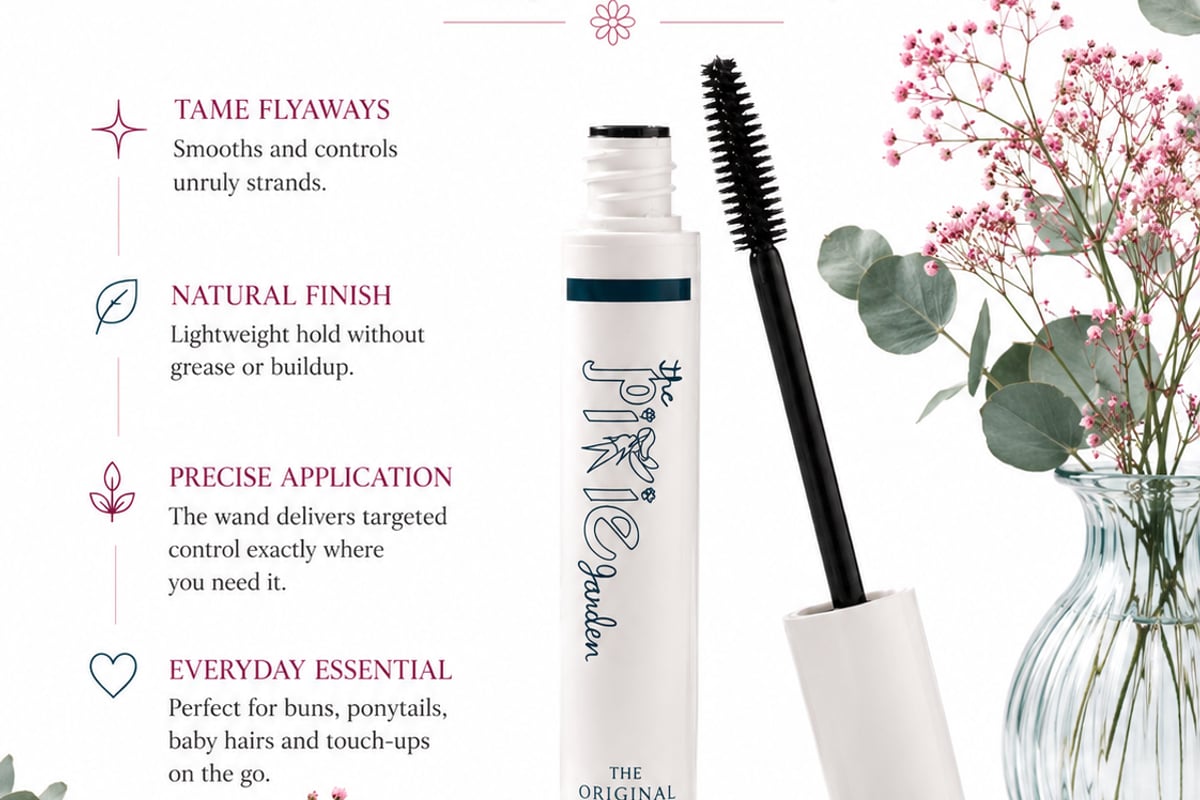
The alcohol-free, water-based formula won't interfere with the wet-combing process, and it helps create the smooth, controlled sections you need for effective nit removal. For families dealing with lice on children who have particularly fine or flyaway-prone hair, this kind of precision tool makes the already tedious process more manageable.
The Honest Truth About Tea Tree Oil and Essential Oils
Because this question comes up so frequently, it deserves its own section. Tea tree oil is widely marketed as a natural lice prevention and treatment, but the evidence is much weaker than most websites suggest.
What the research actually shows:
- Concentrated tea tree oil (100% pure) showed some effectiveness against adult lice in laboratory settings
- The concentration required for killing lice can cause skin irritation and allergic reactions
- Tea tree oil has minimal to no effect on nits
- Diluted tea tree oil (the safe concentration for skin) has not demonstrated reliable lice-killing properties
Some families use tea tree oil as a preventive measure rather than a treatment, adding a few drops to shampoo in hopes of repelling lice. While there's some anecdotal support for this approach, understand that it's prevention-focused, not treatment-focused.
If you do choose to use tea tree oil, never apply it undiluted to the scalp, never use it on children under three years old, and never rely on it as your primary treatment method. According to detailed analysis from Healthline's review of lice eggs and removal methods, physical removal remains the only consistently effective approach.
Frequently Asked Questions About Natural Lice Treatment
How Long Does It Take to Get Rid of Lice Naturally?
With perfect compliance to the wet-combing protocol, you're looking at a minimum of two weeks. The first combing session should remove the majority of live lice and visible nits, but you need the follow-up sessions to catch any nits you missed and any newly hatched lice before they reach reproductive maturity.
If you find live lice after two weeks of correct combing, either you're missing areas during combing or there's reinfection happening from an untreated source (another family member, shared belongings, or close contact at school).
Does Coconut Oil Kill Lice?
Coconut oil may suffocate some adult lice if applied heavily and left on for eight hours or more, but this method has significant limitations. It does not kill nits, it's extremely messy, and it requires multiple applications. Some people combine coconut oil with apple cider vinegar, hoping the vinegar will loosen nits while the oil suffocates lice, but you still need to wet-comb afterward to physically remove everything.
If you choose to try coconut oil as part of your natural lice treatment approach, understand that it's the wet-combing that follows the oil application that actually removes the infestation, not the oil itself.
How Often Should You Comb for Lice?
During active treatment, every three to four days for two weeks minimum. Daily combing is better if you have the time and patience, but the critical sessions are those spaced three to four days apart to catch newly hatched nymphs before they mature and lay new eggs.
Between treatments, daily visual checks and finger-combing at high-risk areas (nape of neck, behind ears) help you catch any missed nits before they become a full reinfestation.
Can You Prevent Lice Naturally?
Prevention is about behavior and awareness, not products. Teach children not to share hats, hair accessories, brushes, or helmets. Encourage them to avoid head-to-head contact during play. For children in higher-risk environments (schools with ongoing outbreaks, sports teams, camps), consider protective hairstyles like braids or buns that minimize loose hair contact.
Some families use diluted tea tree oil or lavender oil in hair products as potential repellents, but the evidence supporting this is weak. The behavioral approaches are far more reliable.
When to See a Healthcare Provider
While lice themselves are not dangerous, certain situations require professional medical attention. This falls under YMYL (Your Money or Your Life) guidance because incorrect treatment can lead to complications.
Seek medical care if you notice:
- Signs of scalp infection: increasing redness, warmth, swelling, or pus
- Severe itching that leads to open sores or bleeding from scratching
- Allergic reaction to any treatment product (chemical or natural)
- Lice infestation in an infant under two months old
- Lice on eyelashes or eyebrows (this requires special treatment)
Heavy infestations that don't respond to the wet-combing protocol after two full weeks should also be evaluated by a healthcare provider. Sometimes what appears to be treatment failure is actually a misdiagnosis; dandruff, hair casts, and residue from hair products can sometimes be mistaken for nits. Functional medicine practitioners, like those at Rooted Functional Medicine & Longevity Lab, can help address underlying scalp health issues that may complicate lice treatment.
A healthcare provider can prescribe prescription-strength treatments if natural methods have been insufficient, and they can rule out other scalp conditions that might be contributing to symptoms.
The Reality of Natural Lice Treatment Effectiveness
After walking dozens of families through this process, I can tell you that natural lice treatment through wet-combing works, but it requires a level of commitment that not everyone can sustain. You need time, patience, good lighting, a quality metal comb, and absolute thoroughness.
Success factors include:
- Having a second adult to help with combing (especially for thick or long hair)
- Creating a comfortable setup where the child can sit still for extended periods
- Maintaining consistent scheduling across the full two-week protocol
- Coordinating treatment with all household members simultaneously if multiple people are affected
- Checking with schools or daycares about their lice policies before starting treatment
The families who succeed with the natural approach are those who treat it like a serious project with scheduled sessions, proper tools, and realistic expectations. Those who approach it casually or inconsistently typically end up frustrated and eventually move to chemical treatments anyway.
Understanding the difference between what works and what's popular online can save you weeks of frustration. The curated, evidence-based approach to hair care and treatment is what separates effective protocols from internet myths.
Building a Complete Lice Prevention Strategy
Once you've successfully cleared an infestation, prevention becomes your focus. Natural lice treatment is exhausting enough that you'll want to do everything possible to avoid a repeat experience.
Create household protocols:
- Weekly hair checks for all family members during school months
- Designated storage for hats, helmets, and hair accessories (no sharing)
- Communication with your child's school about lice policies and current outbreaks
- Education for children about how lice spread and why certain behaviors matter
Keep your metal nit comb and a bottle of conditioner accessible in the bathroom. If you catch a lice infestation in the very earliest stages (one or two nits, no live lice yet), you can often eliminate it with just one or two thorough combing sessions rather than the full two-week protocol.
Some schools send home notification letters when lice are detected in a classroom. When you receive one, check your child that evening, even if they're not showing symptoms. Early detection makes natural lice treatment exponentially easier.
Natural lice treatment is possible through systematic wet-combing, but it requires precision, patience, and realistic expectations about what actually works versus what's popular on social media. The two-week protocol I've outlined works reliably when executed correctly, but you need the right tools and commitment to follow through. Whether you're looking for professional styling products to manage hair during treatment or simply want access to cosmetologist-curated solutions for everyday hair challenges, The Pixie Garden offers the quality and expertise to support healthy, beautiful hair at every stage.
