

Hair Regrowth: Science-Backed Methods That Work in 2026
Delena MarklandHair loss affects millions of people worldwide, creating both aesthetic concerns and emotional stress. The search for effective hair regrowth solutions has led to countless products, treatments, and home remedies flooding the market. Understanding which methods deliver measurable results requires separating scientific evidence from marketing hype. This comprehensive guide examines proven approaches to stimulating hair regrowth, helping you make informed decisions about treatments that align with your specific needs and hair restoration goals.
Understanding the Hair Growth Cycle
Before exploring hair regrowth treatments, recognizing how hair naturally grows provides essential context. Each follicle cycles through distinct phases that determine when hair grows, rests, and eventually sheds.
The anagen phase represents active growth, lasting two to seven years depending on genetics. During this period, cells in the hair root divide rapidly, adding to the hair shaft. The catagen phase follows, a brief two-week transitional period when growth stops and the follicle shrinks. Finally, the telogen phase marks a resting period of approximately three months before the hair sheds and the cycle restarts.
Factors That Disrupt Natural Growth
Multiple factors can interrupt this cycle, leading to noticeable thinning or baldness:
- Androgenetic alopecia: Hereditary pattern baldness affecting both men and women
- Telogen effluvium: Stress-induced shedding that pushes follicles into premature resting
- Nutritional deficiencies: Inadequate protein, iron, or vitamin intake
- Hormonal fluctuations: Thyroid disorders, pregnancy, or menopause
- Medical conditions: Autoimmune diseases like alopecia areata
- Medications: Certain prescriptions that trigger hair loss as a side effect
According to research on alopecia areata, understanding the specific type of hair loss you're experiencing determines which treatments offer the best chance for regrowth.
FDA-Approved Medications for Hair Regrowth
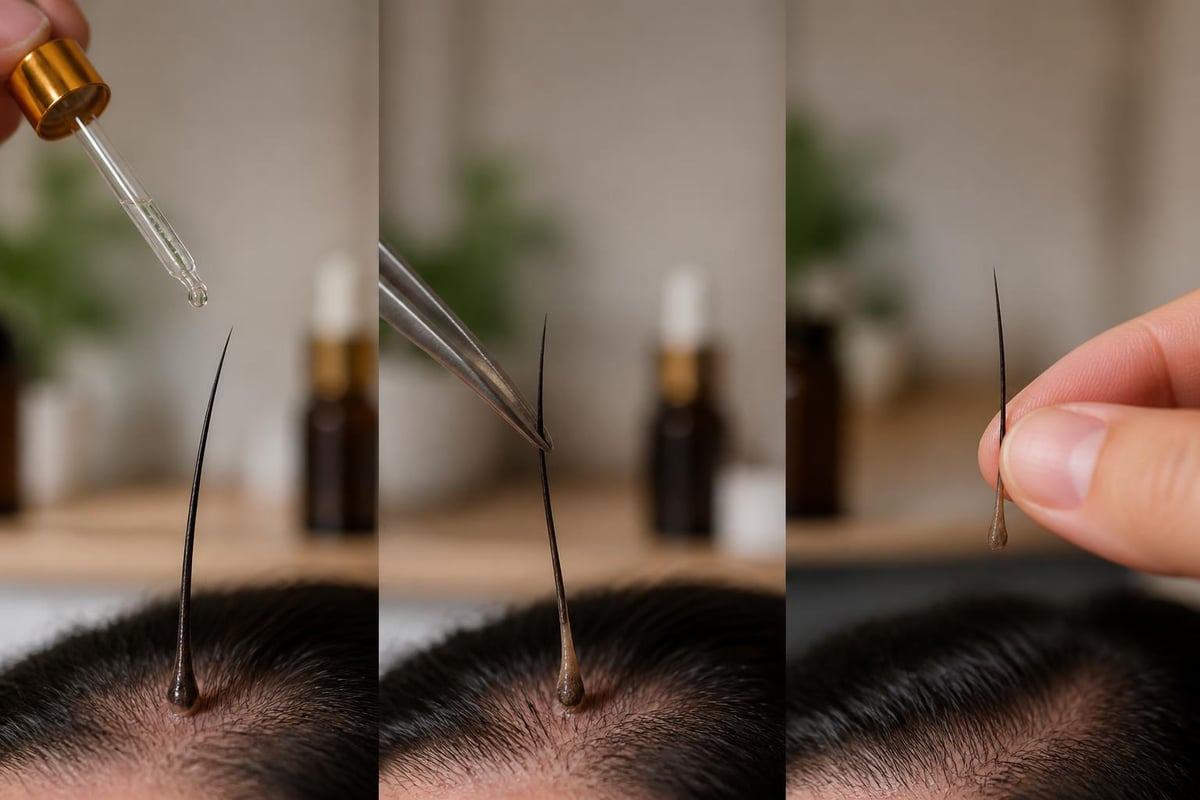
Two medications have received FDA approval for treating pattern baldness, backed by extensive clinical research demonstrating their effectiveness.
Minoxidil (Rogaine) represents the most accessible over-the-counter option. Originally developed as a blood pressure medication, researchers discovered its hair regrowth properties accidentally. Applied topically to the scalp twice daily, minoxidil extends the anagen phase and increases follicle size. Most users see results within four to six months, though continuous use remains necessary to maintain new growth.
Finasteride (Propecia) works through a different mechanism, blocking the conversion of testosterone to dihydrotestosterone (DHT), the hormone responsible for shrinking follicles in androgenetic alopecia. Available only by prescription for men, this oral medication shows significant effectiveness in slowing loss and promoting regrowth at the crown and mid-scalp.
| Treatment | Application | Results Timeline | Maintenance Required |
|---|---|---|---|
| Minoxidil | Topical, twice daily | 4-6 months | Yes, indefinite |
| Finasteride | Oral, once daily | 3-6 months | Yes, indefinite |
| Combination therapy | Both methods | 3-4 months | Yes, indefinite |
The comprehensive evaluation of hair regrowth treatments confirms that combining these approaches often yields superior results compared to using either medication alone.
Low-Level Laser Therapy for Hair Regrowth
Light-based treatments have gained substantial credibility in recent years, with evidence-based research on low-level laser therapy demonstrating genuine hair regrowth effects. These devices emit red light wavelengths that penetrate the scalp, stimulating cellular activity within follicles.
The mechanism works by increasing adenosine triphosphate (ATP) production in follicle cells, essentially providing more energy for hair production. Additionally, laser therapy improves blood circulation to the scalp, delivering more nutrients and oxygen to struggling follicles.
Available LLLT Options
Consumers can choose from several device formats:
- Handheld wands: Affordable entry point, requires manual coverage of entire scalp
- Headband devices: Hands-free operation, treats specific areas
- Helmet-style caps: Comprehensive coverage, highest price point
- In-office treatments: Professional-grade equipment, most intensive sessions
Studies on fractional laser modalities show that consistent use over six months produces measurable improvements in hair density and thickness. The University of Miami research on laser therapy reinforces these findings, noting particular success in patients with androgenetic alopecia.
Treatment requires patience and consistency. Most protocols recommend sessions three times weekly for at least 25 minutes per session. Results typically emerge around the four-month mark, with optimal outcomes visible after eight to twelve months.
Scalp Microchanneling and Growth Factor Treatments
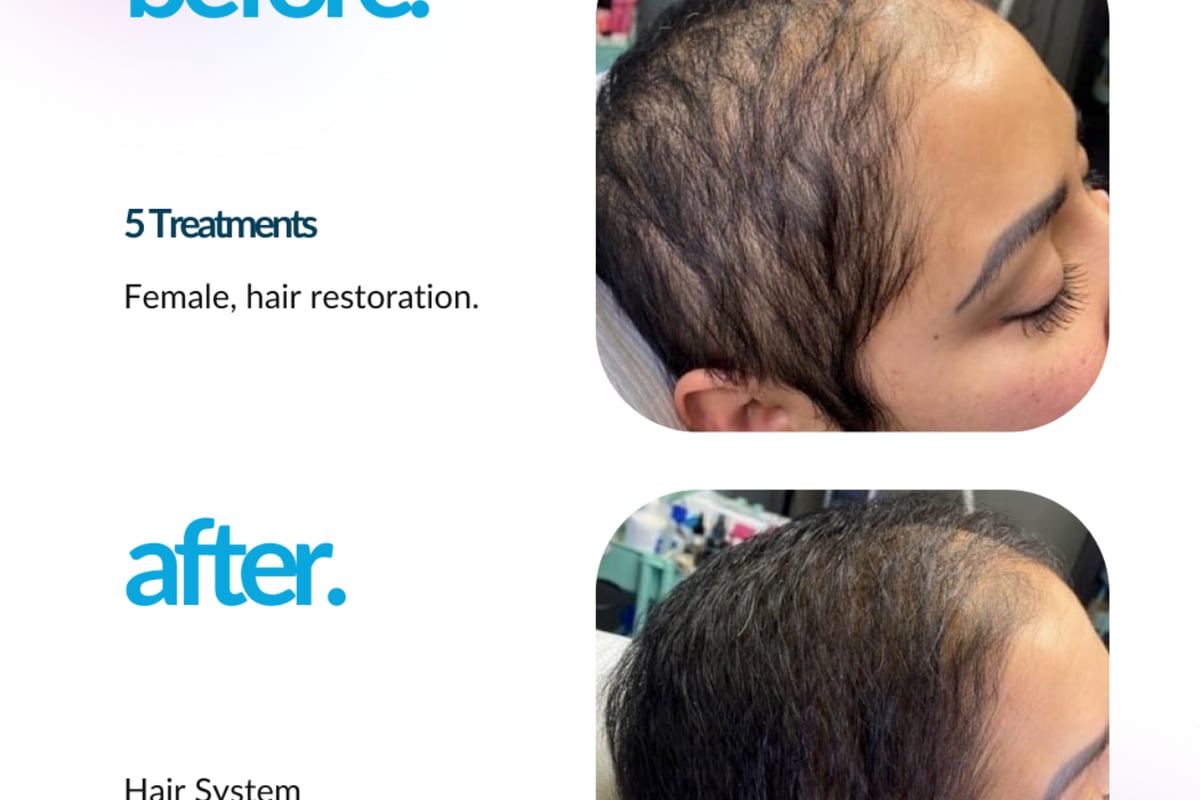
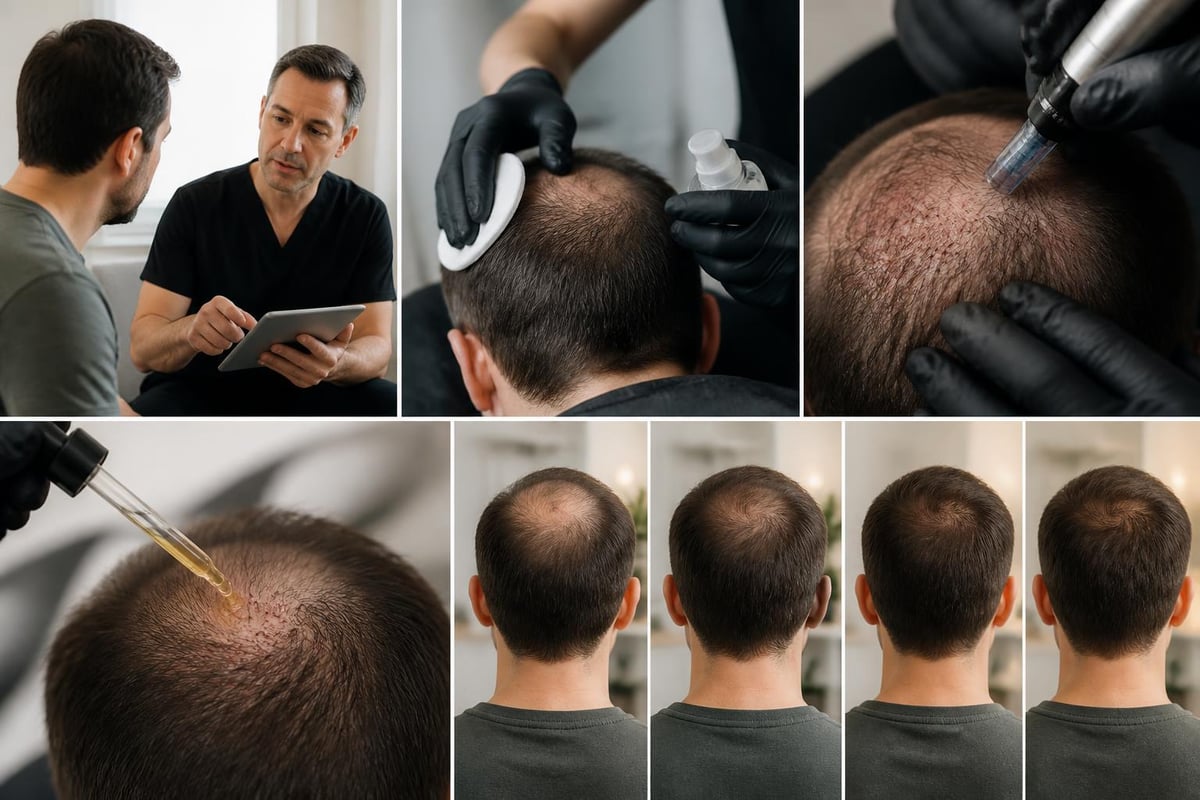
Advanced aesthetic treatments now offer biological approaches to stimulating hair regrowth. Scalp microchanneling creates controlled micro-injuries that trigger the body's healing response, simultaneously allowing for better absorption of growth-promoting serums.
The procedure uses fine needles to create tiny channels in the scalp, stimulating collagen production and increasing blood flow to follicles. When combined with stem-cell-derived growth factors, the treatment becomes particularly effective for addressing thinning at the crown, widening parts, and hairline recession.
ProCell Microchanneling represents one such treatment protocol, combining collagen-inducing microchanneling with targeted growth factors to support new hair growth and visibly thicker density. This non-surgical approach addresses the biological environment surrounding follicles, creating optimal conditions for regrowth.
Nutritional Support for Hair Regrowth
Internal factors significantly influence follicle health and growth capacity. While topical treatments and procedures address external stimulation, nutritional deficiencies can undermine even the most sophisticated interventions.
Protein forms the building block of hair structure, with each strand composed primarily of keratin. Inadequate protein intake forces the body to ration resources, often shutting down non-essential functions like hair growth. Aim for 0.8 to 1 gram of protein per kilogram of body weight daily.
Iron deficiency ranks among the most common nutritional causes of hair loss, particularly in women. Ferritin levels below 40 ng/mL can trigger excessive shedding even when blood tests show normal hemoglobin. Working with healthcare providers to optimize iron stores often produces dramatic improvements in hair regrowth.
Collagen's role in hair growth has received increased attention, though evidence remains mixed. While collagen provides amino acids that support keratin production, direct supplementation may not surpass benefits from consuming complete protein sources.
Essential Nutrients for Follicle Function
- Biotin: B-vitamin supporting keratin infrastructure
- Zinc: Mineral crucial for follicle repair and growth
- Vitamin D: Hormone-like vitamin that creates new follicles
- Omega-3 fatty acids: Anti-inflammatory compounds supporting scalp health
- Vitamin E: Antioxidant protecting follicles from oxidative stress
The broad evaluation from Consumer Reports emphasizes that supplements work best when addressing documented deficiencies rather than as standalone hair regrowth treatments.
Scalp Health as Foundation for Regrowth
The environment surrounding follicles directly impacts their ability to produce healthy hair. Scalp conditions like dandruff, seborrheic dermatitis, or folliculitis create inflammation that disrupts the growth cycle and can contribute to excessive shedding.
Regular scalp care removes buildup of oils, dead skin cells, and product residue that can clog follicles. Gentle exfoliation through scalp scrubs or brushing stimulates circulation while maintaining a clean environment for regrowth.
Building a Scalp-Healthy Routine
Incorporating specific practices into your hair care regimen supports optimal conditions for hair regrowth:
- Weekly scalp massages: Five minutes of firm circular motions increase blood flow
- Monthly clarifying treatments: Deep-cleansing removes stubborn buildup
- Targeted treatments: Address specific conditions like flaking or sensitivity
- Gentle handling: Minimize mechanical stress from tight hairstyles or aggressive brushing
Managing your hairstyles thoughtfully protects fragile new growth. The Pixie Garden offers styling tools and accessories designed to create polished looks without the tension that can damage delicate regrowing strands. Quality hair accessories distribute pressure evenly, preventing the traction alopecia that results from constantly pulling hair in the same direction.
Emerging Technologies in Hair Regrowth
Innovation in hair restoration continues accelerating, with researchers exploring novel approaches that may revolutionize treatment options. Machine learning applications in detecting hair and scalp diseases demonstrate how technology improves diagnostic accuracy, enabling earlier intervention when treatments prove most effective.
Platelet-rich plasma (PRP) therapy extracts growth factors from your own blood and injects them into the scalp. While results vary among individuals, clinical studies show promise for both pattern baldness and alopecia areata. Most protocols require multiple sessions spaced four to six weeks apart, with maintenance treatments every six months.
Stem cell treatments represent the frontier of regenerative medicine for hair loss. Researchers are investigating methods to awaken dormant follicles or even generate entirely new ones using stem cell technology. While still largely experimental in 2026, early results suggest potential for addressing previously untreatable forms of baldness.
Topical JAK inhibitors have shown remarkable success in treating alopecia areata, with some patients experiencing complete regrowth after years of baldness. These medications work by blocking the immune system's attack on follicles, though they require continuous use and may carry side effects requiring medical supervision.
| Emerging Treatment | Stage of Development | Best Candidates | Estimated Timeline |
|---|---|---|---|
| PRP therapy | Commercially available | Pattern baldness | 3-6 months |
| JAK inhibitors | FDA approved for specific uses | Alopecia areata | 2-4 months |
| Stem cell therapy | Clinical trials | Various types | Unknown |
| Gene therapy | Early research | Hereditary conditions | 5+ years |
Realistic Expectations and Treatment Selection
Managing expectations proves crucial when pursuing hair regrowth. No treatment produces overnight results, and individual responses vary based on genetics, age, overall health, and the underlying cause of hair loss.
Early intervention provides the best prognosis. Follicles that have been dormant for years become increasingly difficult to reactivate, and completely scarred follicles cannot regenerate without advanced interventions. Starting treatment at the first signs of thinning maximizes the potential for significant regrowth.
Combination approaches typically outperform single-method treatments. Pairing FDA-approved medications with laser therapy, for example, addresses hair regrowth through multiple mechanisms simultaneously. Adding proper nutrition and scalp care creates a comprehensive strategy targeting both internal and external factors.
Evaluating Treatment Claims
When researching hair regrowth products, apply critical thinking to marketing claims:
- Demand clinical evidence from peer-reviewed studies
- Verify ingredient concentrations match research protocols
- Check for FDA approval or medical oversight where applicable
- Recognize that "natural" doesn't automatically mean effective or safe
- Understand that before-and-after photos can be manipulated or cherry-picked
Consulting with dermatologists or trichologists before starting any regimen ensures you select appropriate treatments for your specific type of hair loss. Self-diagnosis often leads to wasted money on ineffective products or delayed treatment of underlying medical conditions.
Lifestyle Factors Affecting Hair Regrowth
Daily habits and environmental exposures significantly influence follicle health and growth potential. Addressing these factors creates a foundation that supports medical treatments and natural regrowth processes.
Stress management directly impacts hair retention and regrowth. Chronic stress triggers telogen effluvium, pushing follicles into premature resting phases. Incorporating stress-reduction techniques like meditation, exercise, or therapy can halt stress-induced shedding and allow normal cycling to resume.
Sleep quality affects hormonal balance and cellular repair throughout the body, including hair follicles. Most adults require seven to nine hours of quality sleep nightly for optimal physiological function. Growth hormone released during deep sleep stages supports tissue repair and regeneration.
Environmental protection shields hair and scalp from damaging exposures. Ultraviolet radiation, chlorine, and pollution create oxidative stress that degrades follicle function. Wearing protective styles when swimming or spending extended time outdoors prevents cumulative damage that impairs regrowth capacity.
Heat styling, chemical treatments, and harsh products compound mechanical and chemical stress on both existing hair and emerging growth. Adopting gentler styling methods preserves hair integrity while creating favorable conditions for new strands to thrive. Professional-quality finishing products help you achieve polished results without the harsh ingredients found in many drugstore formulations.
Maintaining Regrowth Long-Term
Achieving initial hair regrowth represents just the beginning of the journey. Most effective treatments require ongoing use to maintain results, as discontinuing proven therapies typically leads to gradual return of hair loss.
Consistency proves more important than intensity with most hair regrowth protocols. Missing applications of minoxidil or skipping laser therapy sessions undermines treatment effectiveness. Building these practices into established daily routines increases adherence and, consequently, long-term success.
Monitoring progress through regular photos taken in consistent lighting helps you objectively assess changes over months and years. Hair regrowth occurs gradually, making it difficult to notice improvements without comparison documentation. Monthly photos from multiple angles create a visual record that reveals subtle progress.
Adjusting strategies based on results and changing circumstances keeps your approach optimized. What works during initial regrowth may need modification for maintenance phases. Hormonal changes, aging, and shifting health conditions all influence ongoing treatment requirements.
Creating a Sustainable Regimen
Building long-term habits requires selecting approaches you can realistically maintain:
- Choose treatment methods that fit your lifestyle and budget
- Start with proven fundamentals before adding experimental therapies
- Focus on scalp health as an ongoing priority, not a temporary fix
- Address underlying health issues that contribute to hair loss
- Celebrate small improvements rather than expecting dramatic transformation
Understanding the science behind effective hair regrowth empowers you to make informed treatment decisions rather than falling for marketing hype or miracle cure promises. Whether you pursue FDA-approved medications, laser therapy, professional treatments, or nutritional optimization, consistent application of evidence-based methods offers your best opportunity for meaningful results. The Pixie Garden supports your hair health journey with professional-grade styling products and accessories designed to protect and enhance your hair while you work toward your regrowth goals.
