

Hair Bands: Everyday Styling & Finishing Stick Guide
The Pixie GardenHair bands remain one of the most versatile and essential accessories in any styling routine. Whether you're rushing through a morning commute or preparing for an evening event, these simple tools offer endless possibilities for creating polished, functional styles. When paired with professional-grade finishing products, hair bands transform from basic necessities into components of a comprehensive styling system that delivers salon-quality results at home.
Understanding Modern Hair Band Applications
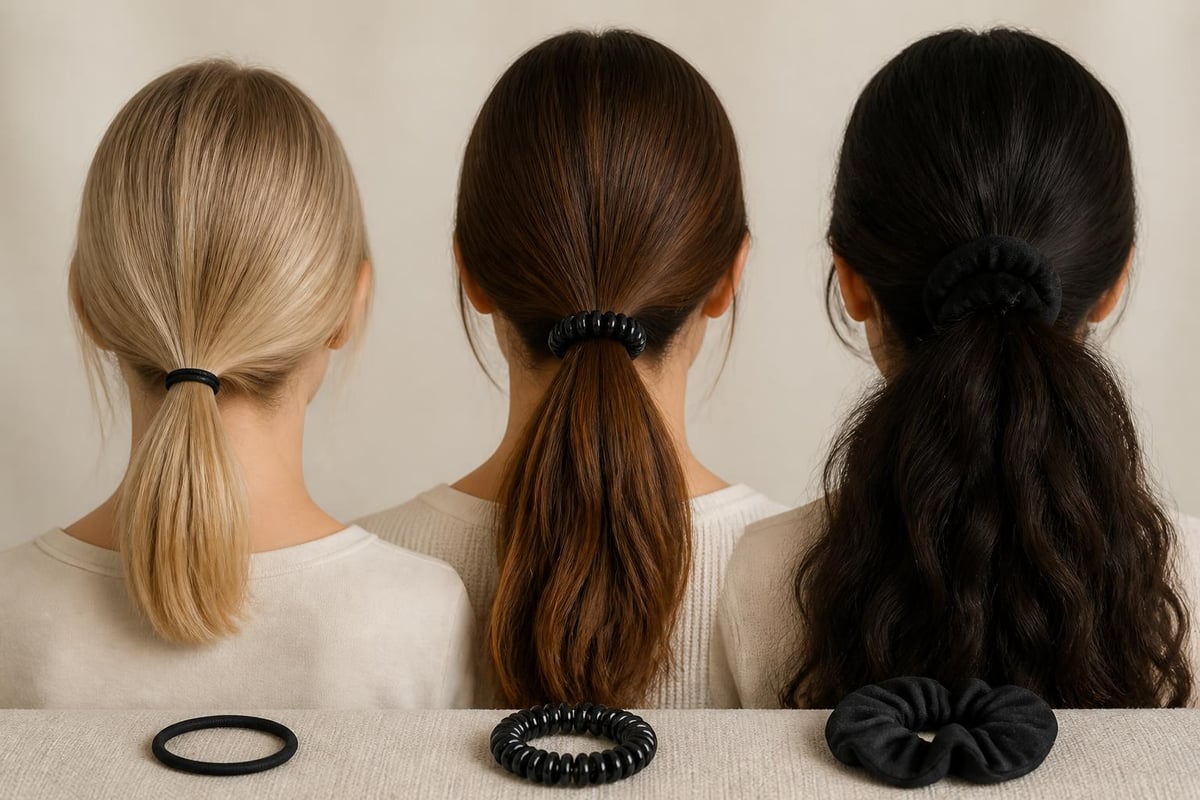
Hair bands have evolved significantly beyond their original function as simple tie-backs. Today's options range from fabric-wrapped elastics to structured headbands, each designed to serve specific styling needs while minimizing damage and maximizing hold. The key to effective use lies in understanding which type works best for your hair texture, density, and desired outcome.
Professional stylists recognize that hair bands serve multiple functions throughout the styling process. They can section hair during blow-drying, create temporary holds while working on other areas, or form the foundation of finished styles. The most effective approach treats these accessories as precision tools rather than afterthoughts.
Selecting the Right Hair Band for Your Needs
Different hair types respond better to specific band constructions. Fine hair requires gentler materials that won't create creases or cause breakage, while thick, dense hair needs stronger tension and broader contact points to maintain hold throughout the day.
Key selection criteria include:
- Material composition and its interaction with your hair texture
- Width and thickness relative to the volume you're securing
- Elastic tension balanced against comfort and hold duration
- Surface finish that prevents snagging on color-treated or chemically processed hair
- Construction quality that maintains shape through repeated use
The relationship between hair band selection and overall style longevity cannot be overstated. A poorly chosen band creates the need for constant readjustment, while the right option holds position for hours without requiring attention. This distinction becomes particularly important when incorporating finishing products into your routine.
Everyday Hair Band Techniques for Professional Results
Creating polished everyday styles with hair bands requires understanding fundamental techniques that translate across different looks. The half-up style, for instance, serves as a foundation technique that can be dressed up or down depending on execution details and finishing touches.
The Foundation Half-Up Style
Start by sectioning hair from temple to temple, approximately two inches back from your hairline. The key is creating a clean horizontal part that sits level across your head. Use a tail comb for precision, then gather the sectioned hair at your desired height.
Step-by-step execution:
- Create your horizontal part using the pointed end of a tail comb
- Smooth the section back with a brush, maintaining tension
- Gather hair at the crown, keeping the section taut
- Wrap the hair band twice for medium hair, three times for fine hair
- Check from all angles to ensure even placement and tension
The difference between an amateur half-up and a professional one often comes down to the smoothness of the gathered section and the security of the hold. This is where finishing products become essential components rather than optional extras.
Low Ponytail Variations
Low ponytails offer versatility for both casual and professional settings. The positioning, whether at the nape, slightly offset to one side, or secured at varying heights along the back of the head, dramatically changes the overall aesthetic.
For sleek low ponytails, brush hair straight back from the hairline, gathering at the nape. The smoothness of this style depends entirely on managing flyaways and shorter layers around the face. Traditional methods involve heavy gels or sprays, but modern finishing techniques offer lighter, more natural-looking solutions.
Consider the difference between a tight, pulled-back ponytail and a slightly loosened version with intentional texture. Both start with the same basic technique, but the finishing approach determines the final result. Understanding historical context helps appreciate why certain styles remain popular across decades.
Integrating Hair Finishing Products with Band Styles
The gap between good and great hair band styles typically involves the finishing stage. Flyaways, frizz, and loose pieces can undermine even perfectly executed techniques. This is where specialized finishing products transform the outcome from functional to polished.
A hair finishing stick addresses the specific challenges that emerge after securing hair with bands. Unlike sprays that add weight or gels that create stiffness, stick formulations allow precise application exactly where needed. The targeted approach prevents the overuse that leads to product buildup or unnatural appearance.
The Hair Finishing Stick represents professional-grade finishing developed specifically for refining completed styles without stiffness or residue. This formula addresses flyaways and frizz while maintaining natural movement, making it particularly effective for hair band styles where you want security without sacrificed flexibility.

Application Techniques for Maximum Effect
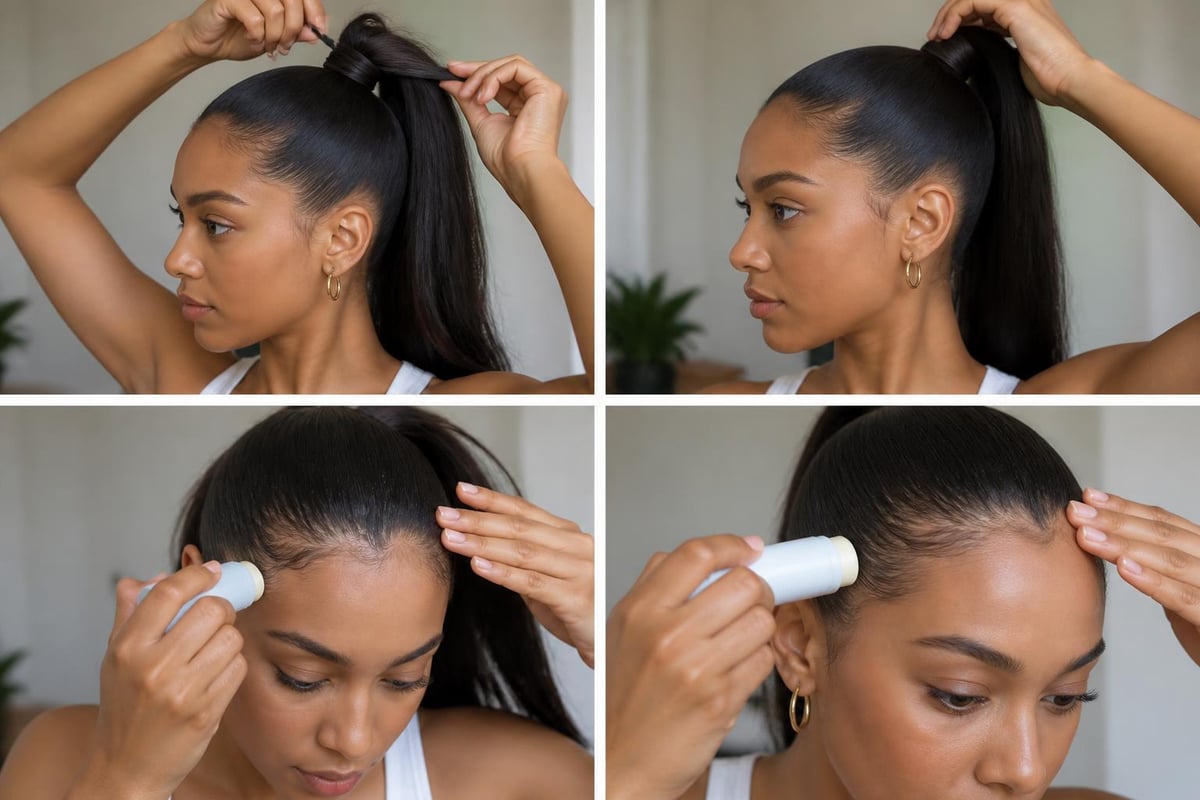
Proper finishing stick application requires understanding product placement and distribution. The goal is targeted control rather than overall coverage. Focus on areas where hair naturally wants to lift or separate from your desired shape.
Effective application zones include:
- Hairline perimeter where baby hairs tend to lift
- Part lines that show separation or frizz
- Section boundaries where gathered hair meets loose hair
- Crown area where volume can become unruly frizz
- Nape region where shorter layers escape the hair band
Apply by smoothing the stick directly along the targeted area, then use your fingertips or a small brush to blend and distribute. The key is building coverage gradually rather than applying too much product initially. You can always add more, but removing excess requires starting over.
| Style Type | Primary Application Zone | Secondary Zone | Technique |
|---|---|---|---|
| Half-Up | Hairline and part line | Crown smoothing | Light, direct application |
| Low Ponytail | Entire perimeter | Nape and sides | Smooth from roots outward |
| Top Knot | Base of knot | Hairline frame | Targeted spot control |
| Side Sweep | Swept direction path | Behind ears | Directional smoothing |
Advanced Hair Band Styling Approaches
Once you've mastered basic techniques and finishing integration, advanced applications open new styling possibilities. These approaches combine multiple hair bands, strategic placement, and finishing products to create more complex looks that still maintain everyday wearability.
Stacked Half-Up Technique
This method uses two hair bands to create visual interest and enhanced security. The first band secures a traditional half-up section, while the second gathers a smaller section from within the first, creating a stacked effect. The key is maintaining clean separation between the two sections while ensuring both remain secure throughout the day.
The finishing stage becomes particularly important with stacked techniques because you're managing multiple transition points where sections meet. Each boundary requires smoothing to prevent the style from appearing messy or undefined. Strategic finishing stick application along these transitions maintains the intentional separation while controlling flyaways.
Braided Integration Methods
Incorporating braids before securing with hair bands adds texture and visual complexity to otherwise simple styles. A common approach involves creating two small braids at the temples, then gathering them with the rest of a half-up section. The braids add detail without requiring advanced braiding skills.
Hair accessories work together to create cohesive looks that balance function with aesthetics. The combination of structural elements like braids with securing elements like bands creates foundation for finishing products to refine and perfect.
Managing Common Hair Band Challenges
Even with proper technique, certain challenges arise regularly when working with hair bands. Understanding these issues and their solutions prevents frustration and improves consistency across different styling sessions.
Preventing Band-Induced Creasing
Hair bands inevitably create some degree of creasing where they compress hair. The severity depends on band width, hair texture, and how long the band remains in place. Fine hair shows creases more readily than coarse hair, while longer wear times increase crease depth.
Minimization strategies include:
- Using wider bands that distribute pressure across larger areas
- Choosing fabric-wrapped options over bare elastic
- Loosening bands slightly once the style sets
- Applying finishing products before banding to create buffer layers
- Removing bands carefully by supporting the hair above the band
The interaction between bands and finishing products actually helps reduce creasing. Product application creates a slight coating that prevents direct elastic-to-hair contact, which is the primary cause of deep creases. This protective effect works best with lighter formulations that don't add weight or stiffness.
Addressing Slippage in Fine or Silky Hair
Fine and silky hair types present unique challenges for hair band security. The smooth texture that looks beautiful when down becomes problematic when trying to maintain hold. Bands slip, styles fall, and constant readjustment becomes necessary throughout the day.
The traditional solution involves roughening the hair texture with dry shampoo or texturizing spray before styling. While effective, this approach can make hair feel dirty or heavy. A more refined method uses finishing products strategically at the band placement point to create just enough grip without compromising the hair's natural finish.
Research on headband-related hair concerns emphasizes the importance of proper tension and material selection. The same principles apply to all hair band types, making material choice and fit critical factors in both style success and hair health.
Seasonal Considerations for Hair Band Styling
Weather and environmental conditions significantly impact how hair bands perform and how finishing products behave. Understanding these seasonal variations allows you to adjust techniques and product application for consistent results year-round.
Summer Humidity Management
High humidity causes hair to swell and frizz, making hair band styles particularly challenging. The moisture in the air disrupts the smooth surface you've worked to create, and increased perspiration can cause bands to slip or finishing products to break down.
Summer styling requires lighter product application focused on humidity resistance rather than heavy hold. The key is creating a protective barrier without weight that would make hair feel greasy in heat. Multiple light applications throughout the day often work better than one heavy application in the morning.
Winter Dryness and Static Control
Cold, dry air creates the opposite problem through static electricity and brittle hair texture. Hair bands can exacerbate static, causing flyaways to stand even more prominently. Finishing products need to address both static control and moisture retention without creating heavy buildup.
Winter techniques often involve pre-styling conditioning treatments that add moisture, followed by finishing products that seal that moisture in place. The combination prevents the dryness that leads to static while maintaining style hold. Current hair accessory trends for 2026 reflect this balance between function and adaptability.
Creating Signature Styles with Consistent Execution
Developing go-to styles that you can execute reliably builds confidence and reduces daily styling stress. The key is identifying two or three hair band techniques that work with your hair type and lifestyle, then perfecting the finishing approach that makes them look polished.
Building Your Core Style Rotation
Consider these factors when selecting signature styles:
- Time required from start to finish
- Complexity level and required skill
- Versatility across different settings
- Compatibility with your hair length and texture
- Product requirements and finishing needs
Most people benefit from having one quick everyday style (five minutes or less), one intermediate option for important occasions (ten to fifteen minutes), and one special event style they can execute with practice. All three should use similar techniques and products to minimize the learning curve and product inventory.
Refining Execution Through Repetition
Consistent practice with the same styles builds muscle memory that speeds execution and improves results. You'll learn exactly how much tension to apply, where your hair naturally wants to fall, and how much finishing product achieves your desired look. This familiarity translates to better outcomes with less effort over time.
Document your process, noting which techniques work best and where challenges consistently arise. This awareness allows targeted improvement rather than general frustration when results don't match expectations. Small adjustments to hand position, sectioning width, or product placement often make significant differences in final appearance.
Professional Finishing Principles for Home Application
Professional stylists approach finishing as a distinct phase requiring specific attention and technique. This mindset shift from "styling is done when the band goes in" to "styling is done when finishing is complete" elevates home results to salon standards.
The principle of working in layers applies to both styling and finishing. Just as you don't try to gather all your hair at once when creating a ponytail, you shouldn't try to address all flyaways with one product swipe. Build control gradually, assessing results between applications.
Natural light reveals finishing imperfections that indoor lighting hides. Check your completed style near a window or, better yet, in direct sunlight if possible. This extra step catches issues before you leave the house and builds your awareness of what truly polished finishing looks like.
Understanding the evolution of hair accessories provides context for why certain finishing techniques persist while others fade. The methods that remain relevant across decades typically offer the best balance of effectiveness and efficiency.
Hair Health Considerations with Regular Band Use
While hair bands provide essential styling function, regular use requires attention to hair health and damage prevention. The mechanical stress from repeated banding, combined with the tension required for secure hold, can lead to breakage if not managed properly.
Rotation and Recovery Strategies
Varying where you place hair bands prevents concentrated stress on the same hair sections day after day. If you wear a ponytail daily, alternate between high, mid, and low placement. For half-up styles, vary the exact positioning of your horizontal part. These small changes distribute mechanical stress across your entire head rather than repeatedly stressing the same areas.
Give hair periodic breaks from banding entirely. On weekends or days off, opt for loose styles or alternatives that don't require elastic tension. This recovery time allows hair to regain its natural shape and reduces cumulative damage from constant compression.
The potential risks of constant headband pressure extend to all hair band types, making rotation and recovery essential practices for maintaining long-term hair health alongside short-term style success.
Choosing Damage-Minimizing Materials
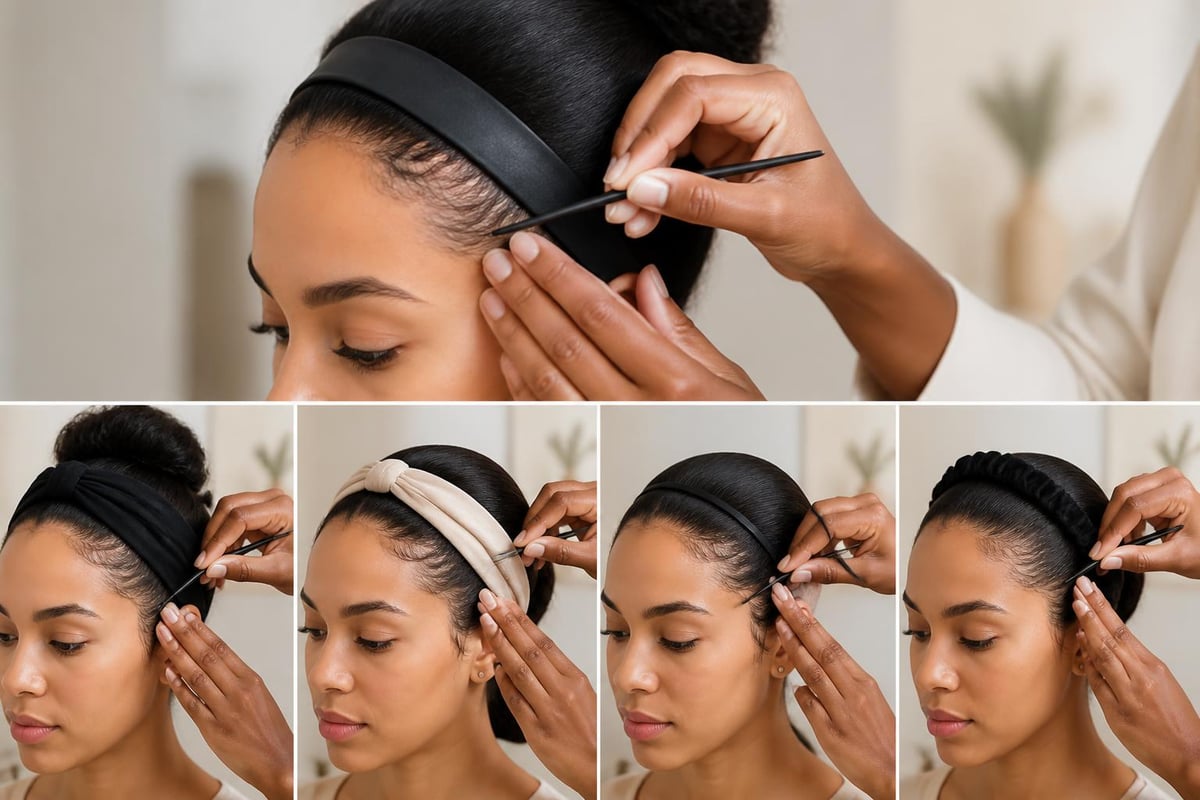
Not all hair bands affect hair equally. Materials matter significantly in determining damage risk over time. Fabric-wrapped elastics distribute pressure more evenly than bare rubber bands. Seamless construction prevents snagging that leads to breakage. Appropriate thickness ensures adequate hold without excessive tightness.
Pay attention to how your hair responds to different band types. If you notice increased breakage, reassess your current options and experiment with gentler alternatives. The slight reduction in hold is worthwhile if it prevents long-term damage that compromises your styling options in the future.
Troubleshooting Specific Hair Band Scenarios
Real-world styling presents situations that basic techniques don't fully address. Learning to troubleshoot these scenarios improves your adaptability and ensures successful outcomes regardless of circumstances.
Dealing with Second-Day Hair
Hair that's been slept on presents unique challenges for hair band styling. The existing shape, potential tangles, and redistributed natural oils all affect how styles form and hold. Second-day hair often requires different approaches than freshly washed hair.
Dry shampoo at the roots can restore volume and grip, but be cautious with application in areas where you'll place bands. Excess powder can make bands slip rather than improving hold. Focus dry shampoo on crown volume, keeping the band placement zones relatively product-free until after securing.
Finishing products become particularly valuable on second-day hair because they can refresh the overall appearance without requiring a complete restyle. Strategic application smooths the evidence of sleep disruption while working with the existing texture rather than fighting it.
Managing Transition from Active to Formal Settings
The ability to transform a casual hair band style into something more polished addresses a common real-world need. The basic structure might remain the same, but finishing touches make the critical difference between gym-appropriate and office-ready.
Start with a secure foundation that can withstand activity, then add refinement through finishing. Smooth the hairline, define the part, control flyaways, and ensure even tension throughout the gathered section. These small adjustments take minutes but dramatically elevate the overall appearance.
Consider incorporating accessories that add polish without requiring restyling. A decorative clip at the band site, small pins to secure face-framing pieces, or a subtle hair jewelry element can transform the aesthetic while maintaining the functional foundation you've already created.
Advanced Product Layering Techniques
Professional finishing often involves multiple products working in concert, each addressing specific needs. Understanding how to layer products without creating buildup or competing effects requires knowledge of formulation types and application order.
Coordinating Texturizers with Finishing Sticks
Texturizing products create grip and volume, while finishing sticks smooth and control. These seem contradictory, but strategic application allows both to coexist effectively. Apply texturizer where you want volume and hold, typically at roots and in the interior sections. Reserve finishing stick application for the surface layer and perimeter where smoothness matters most.
The key is allowing the texturizer to set before applying finishing products over it. This typically takes just a minute or two, during which you can complete other aspects of your style. Rushing this step can cause products to mix rather than layer, reducing the effectiveness of both.
Building Long-Lasting Hold Without Stiffness
Traditional approaches to extended hold rely on heavy-duty products that create stiffness as a byproduct of their holding mechanisms. Modern finishing techniques achieve comparable longevity through strategic product placement and application methods rather than formulation strength alone.
Multiple light applications of finishing products at key stress points outlast single heavy applications. Focus on areas where styles typically fail first: the hairline, the band placement point, and any transition zones between secured and loose hair. Reinforcing these vulnerable areas prevents the domino effect where one failing point leads to complete style collapse.
Mastering everyday hair band techniques combined with professional finishing approaches transforms routine styling from functional necessity into a refined skill. The integration of proper band selection, execution precision, and strategic finishing product application creates polished results that maintain their appearance throughout demanding days. The Pixie Garden offers professionally curated accessories and styling essentials designed to deliver salon-quality results at home, bringing licensed cosmetologist expertise to your daily routine.
