

Do Velcro Rollers Damage Hair? A Cosmetologist's Guide
Delena MarklandAs a licensed cosmetologist who has styled thousands of clients over the years, I hear one question more than almost any other when it comes to heat-free styling: do velcro rollers damage hair? The short answer is no, with one exclusion. Velcro rollers do not damage healthy medium-to-coarse hair when applied to dry or barely-damp hair and removed by unrolling. I do not recommend them for fine, chemically treated, or fragile hair at all. Breakage comes from sleeping in them, yanking them out, or using them on soaking-wet hair. Those three practices account for nearly every velcro roller horror story I have encountered in my salon chair.
The real issue is not the tool itself but how people use it. Velcro rollers are one of the gentlest heat-free styling methods available when you follow proper application and removal protocols. However, improper technique can absolutely cause breakage, tangling, and damage.
Understanding When Velcro Rollers Cause Breakage
The damage potential of velcro rollers depends entirely on the state of your hair when you apply them and how you remove them. I have created a breakdown of risk levels based on hair condition at the time of application.
| Hair State | Damage Risk | Why It Happens | What to Do Instead |
|---|---|---|---|
| Soaking wet | Very high | Hair is most fragile when saturated; velcro grips too aggressively | Blow dry to 90% before rolling |
| Damp | Moderate | Some stretch and breakage possible during removal | Air dry to barely-damp or fully dry |
| Dry | Very low | Hair at normal elasticity, velcro releases easily | Ideal application state |
| Fragile/damaged | Moderate to high | Compromised cuticle catches on velcro hooks | Use foam rollers or skip velcro entirely |
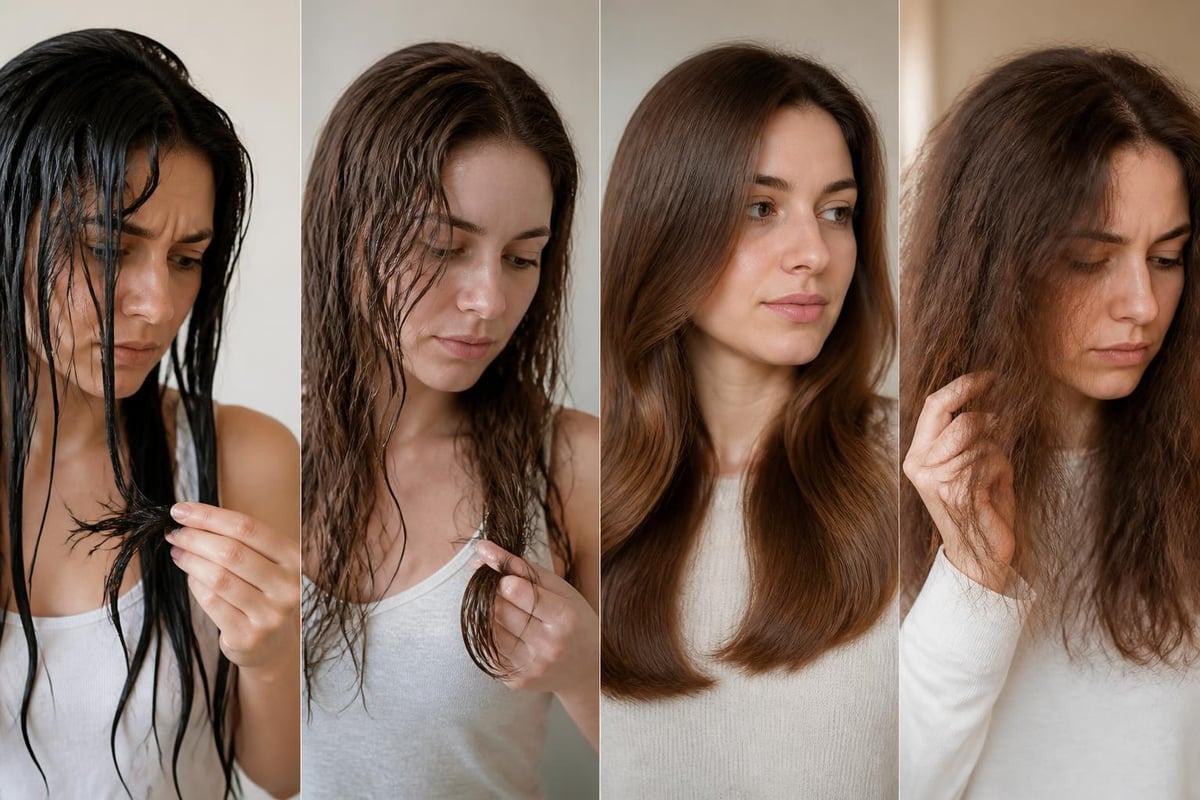
The velcro surface works by creating thousands of tiny hook-and-loop connections with your hair shaft. When hair is wet, it stretches up to 30% more than when dry, which means those connections pull on already-vulnerable strands. Wet application is the primary culprit behind velcro roller damage, and it is the first thing I correct with every client.
My Step-by-Step Removal Technique to Prevent Breakage
After years of perfecting this process, I have developed a removal technique that eliminates virtually all breakage risk. The key word here is unroll, not pull. Most people yank velcro rollers straight out, which is exactly how hair gets ripped from the root or snaps mid-shaft.
The Professional Unrolling Method
-
Start at the bottom layer of your set, working from the nape of your neck upward. Never remove top sections first, as this creates tangling.
-
Hold the base of the roller section with your non-dominant hand, applying gentle counter-pressure to your scalp. This prevents pulling at the root.
-
Unwind the roller in the opposite direction from how you rolled it. If you rolled forward, unwind backward. Count the rotations as you go.
-
Keep constant rotation without pausing or changing direction mid-removal. A smooth, continuous unwinding motion is critical.
-
Support the curl as it releases by cupping it in your palm. Do not let the curl drop and pull on itself.
-
Check for snags before the roller completely releases. If you feel resistance, stop rotating and gently work the caught section free with your fingers.
This method takes about 30 seconds per roller once you develop the muscle memory. Rushing this step is where most people do velcro rollers damage hair without realizing it.
For clients with particularly fine or fragile hair, I recommend applying a light styling product before rolling. Something with slip helps the hair release more smoothly during removal. The goal is never to hear that distinctive ripping sound that signals breakage.
How the Right Clips Prevent Tension Damage
Here is something most tutorials skip: the clips you use to secure velcro rollers matter as much as the rollers themselves. Standard metal clips create pressure points that can dent hair or cause breakage along the clip edge, especially if you are setting rollers for extended periods.
Poorly chosen clips can leave breakage patterns that line up exactly with where they sat. The solution is using clips specifically designed for roller sets, which distribute tension evenly across a wider surface area.
Understanding how clips interact with velcro rollers transformed my roller-setting technique. Proper clips prevent the roller from sliding down, which eliminates the need to over-tighten at the scalp. Over-tightening is another major cause of breakage that people attribute to the rollers when the clips are actually at fault.
Look for clips with smooth, rounded edges and a spring mechanism that provides hold without crushing. Avoid anything with sharp teeth or excessive grip strength. The roller itself provides the hold through the velcro surface, the clip simply keeps it in position during the setting process.
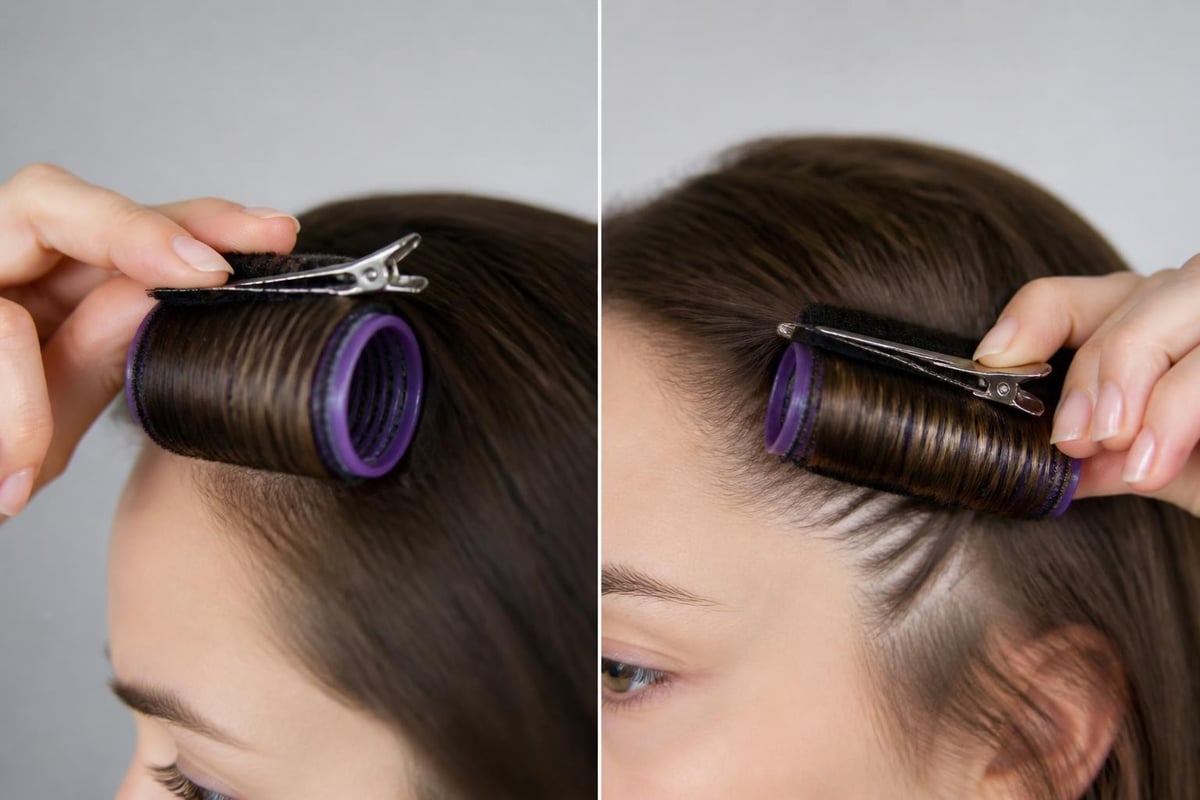
The pair I keep in my station drawer is the volumizing roller clips, which come as a set of two. They are not velcro, so there are no hooks to catch a fragile cuticle, and that is the reason they are the one root-lift tool I will let a client wear on damp hair overnight as well as press into completely dry hair for a quick lift at the crown before an evening out. Two clips at the front hairline is usually all it takes to hold that lift while the rest of the set cools. After over 25 years setting hair, I have found that most of the flatness clients complain about lives in the first two inches off the scalp, not in the ends.
When you combine proper clips with correct application on dry or barely-damp hair, do velcro rollers damage hair becomes a non-issue. The system works together seamlessly.
Hair Type Considerations and Damage Risk
Not all hair types respond to velcro rollers the same way. I have worked with every texture from baby-fine straight hair to coarse 4C curls, and the damage risk varies significantly.
Fine Hair
Fine hair has a smaller diameter, which means less structural integrity. The velcro hooks grip too aggressively on fine textures and the breakage risk is real whether the roller is clipped or self-grip. I do not use velcro rollers on fine, chemically treated, or fragile hair, and I would not recommend them to you either. If you want root lift on fine hair, use one of these instead:
- Volumizing roller clips at the root, which lift without any velcro grip
- Foam rollers, which set the hair without hooks catching the cuticle
- Applying a protective styling cream before rolling either one
Thick or Coarse Hair
Thick hair handles velcro rollers exceptionally well because the larger diameter provides more resilience. However, the challenge is achieving enough grip for the roller to stay secure. Many people over-tighten to compensate, which creates tension damage at the root.
The solution is sectioning smaller portions of hair per roller rather than trying to force thick sections into each one. Proper sectioning eliminates the need for excessive tension.
Curly or Textured Hair
This is where I see the most confusion about whether do velcro rollers cause breakage. Curly hair can absolutely use velcro rollers, but the preparation step is critical. The hair must be completely detangled and stretched before rolling. Attempting to roll unsectioned, shrunken curls will create massive tangles.
I recommend blow-drying curly hair on low heat with a tension method first, then applying velcro rollers to create uniform curl patterns. This two-step process prevents the velcro from grabbing individual coils and creating knots.
Velcro Rollers vs Other Heat-Free Methods for Fragile Hair
When clients have chemically treated, heat-damaged, or naturally fragile hair, I often guide them toward alternative setting methods. Here is how velcro rollers compare to other popular options.
Foam rollers provide the gentlest option for compromised hair. The smooth foam surface eliminates all catching and pulling. The trade-off is less volume at the root and a softer curl pattern. For severely damaged hair, this is my first recommendation.
Thermal rollers use retained heat rather than direct heat, which is gentler than curling irons but still applies temperature stress. On fragile hair, even low heat can exacerbate existing damage. I reserve thermal rollers for special occasions only when working with compromised strands.
When the hair is healthy and I want a big, smooth bend that holds through a long evening, I set the XL ceramic thermal rollers instead. The oversized barrel gives you body and movement rather than a tight ringlet, and because the ceramic works off its own retained heat you are not dragging a hot iron down the same strand over and over. I still let them cool completely on the head before I unwind, because that cooling window is what actually locks in the shape.
Velcro rollers fall in the middle ground. They work beautifully on healthy hair and hair with minor damage, but cross into risky territory when hair is severely compromised. The deciding factor is always the cuticle condition. If the cuticle is raised and rough, those microscopic velcro hooks will catch and pull.
Here is my professional take after years of setting them: velcro rollers are an excellent tool for most people, but they are not universally appropriate for every hair condition.
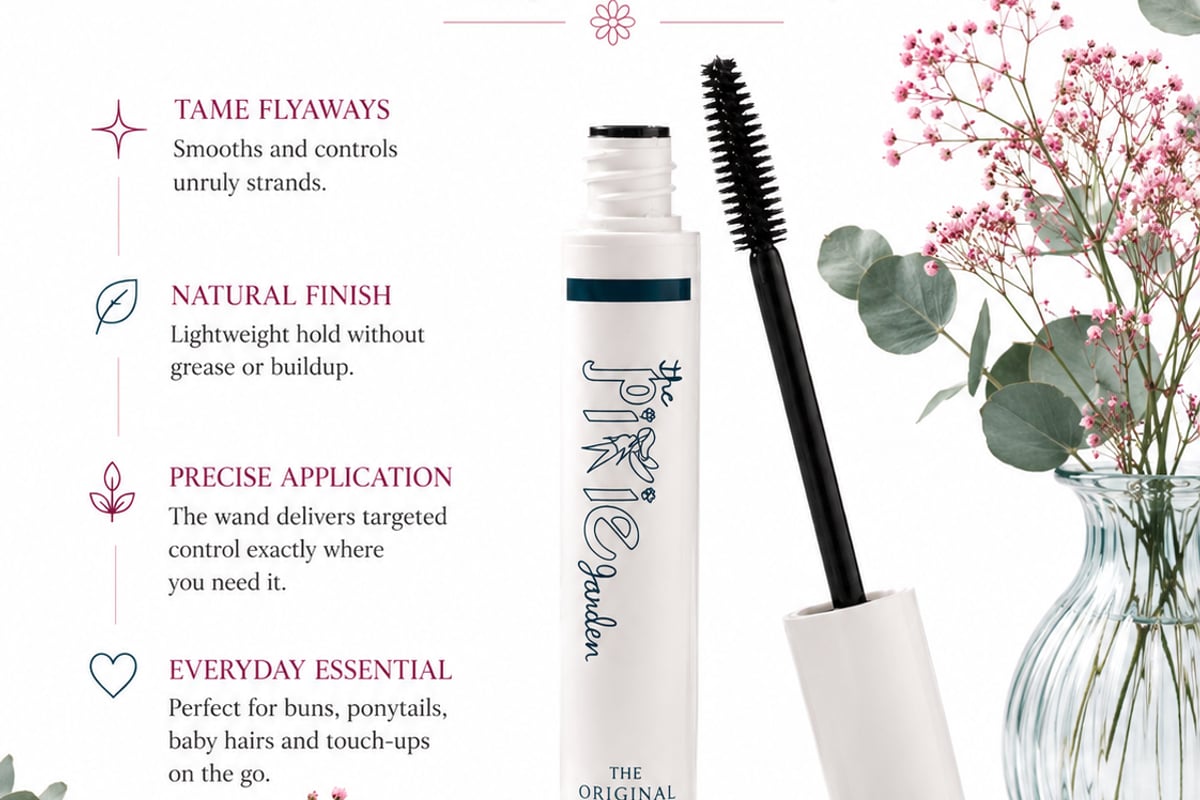
For clients managing both styling needs and hair health concerns, products designed to smooth and protect the cuticle make velcro roller use safer. When baby hairs and flyaways are controlled before rolling, there is less chance of stray strands catching in the velcro surface.
The Overnight Question: Can You Sleep in Velcro Rollers?
This question deserves its own section because the answer is an emphatic no, yet people keep trying it. Sleeping in velcro rollers is one of the fastest ways to guarantee damage and breakage.
Why Overnight Sets Cause Damage
During sleep, you naturally move and shift positions. Each movement creates friction between the velcro surface and your hair, gradually working strands deeper into the hooks. By morning, the rollers are so embedded that removal becomes nearly impossible without significant breakage.
An overnight velcro set can leave sections of hair so tangled in the rollers that length has to be sacrificed to remove them safely. It is completely avoidable.
Additionally, the pressure points created by lying on hard rollers for hours can cause localized breakage and even temporary hair loss from prolonged tension on the follicle. This is distinct from the velcro itself and related purely to compression damage.
The Proper Timeline
Velcro rollers need 15 to 45 minutes maximum to set a curl, depending on hair texture and desired result. Fine hair sets in 15-20 minutes. Medium hair needs 25-35 minutes. Thick or coarse hair may require the full 45 minutes.
Any longer than 45 minutes provides no additional styling benefit and only increases the risk of over-drying and tangling. Set a timer. Remove them promptly. Never sleep in them.
If you need a curl that lasts overnight, set velcro rollers for the appropriate time, remove them properly using my unrolling technique, and then preserve the curl with proper sleeping methods like a silk bonnet or pineappling technique for curly hair.
Using Velcro Rollers on Hair Extensions
Extension wearers ask me regularly whether velcro rollers are safe on their investment pieces. The answer depends entirely on the extension type and application method.
Clip-In Extensions
Clip-ins can absolutely be styled with velcro rollers, but remove them from your head first. Style the extension pieces separately on a mannequin head or flat surface, then clip them into your styled hair. This prevents any tension at your natural root and allows better control over the curl pattern.
Tape-In and Sew-In Extensions
These permanent methods create more complexity. The velcro can catch on the tape adhesive or thread from sew-ins, creating removal nightmares. I recommend avoiding velcro rollers entirely near the attachment points. If you must create volume in extended sections, use foam rollers or pin curls instead.
Keratin Bond and Fusion Extensions
The hard keratin bonds can actually snag velcro more aggressively than natural hair. Removing velcro rollers near fusion points can weaken the bonds or let the velcro pull bonded hair. The risk outweighs the benefit in most cases.
For any extension type, the general rule is this: if the extension hair is virgin or high-quality human hair, it can handle velcro rollers using the same protocols as natural hair. If it is synthetic or lower-quality fiber, skip velcro entirely as the cuticle-less surface tangles excessively.
Common Mistakes That Make People Think Velcro Rollers Damage Hair
After years of troubleshooting velcro roller problems, I have identified the recurring mistakes that create damage and give these excellent tools an undeserved bad reputation.
Rolling Wet Hair
This is the number one culprit. Hair in a saturated state is vulnerable and stretchy. The velcro grips wet hair more aggressively, and removal becomes exponentially more difficult. Always dry to at least 90% before rolling.
Using Rollers That Are Too Small
Small velcro rollers (under 1 inch diameter) create extremely tight grip with maximum surface contact. For fine or fragile hair, this is too aggressive. Stick with medium to large barrels unless you have very thick, resilient hair.
Yanking Instead of Unrolling
I cannot stress this enough: removal technique determines whether velcro rollers damage hair or create beautiful, healthy volume. Pulling them straight out instead of unwinding them is what does the damage.
Reusing Old, Worn Rollers
Velcro rollers have a lifespan. After repeated use and washing, the hooks become bent, matted, or broken. Damaged velcro creates uneven grip and snag points that catch hair unpredictably. Replace your roller set annually if you use them weekly, or every two years for occasional users.
Ignoring Hair Condition
Attempting to use velcro rollers on severely damaged, chemically over-processed, or extremely fragile hair is a setup for breakage. Assess your hair honestly. If it is already compromised, repair it first before introducing any styling stress, or choose gentler methods like salon styling essentials designed for delicate hair.
Building a Damage-Free Velcro Roller Routine
Creating consistent, healthy results with velcro rollers requires a systematic approach. I teach clients to think of it as a protocol, not just a random styling choice.
Preparation phase: Wash and condition hair thoroughly. Apply heat protectant even though you are not using heat; it provides slip for easier removal. Blow dry to 90-100% dry, focusing on smooth cuticle alignment.
Application phase: Section hair methodically, working in horizontal layers from bottom to top. Use appropriate roller size for your hair type and desired volume. Secure each roller with proper clips positioned to avoid pressure points. Maintain even tension throughout, neither too tight nor too loose.
Setting phase: Set your timer for the appropriate duration based on hair texture. Use this time productively; do not extend it just because you are busy. Avoid touching, adjusting, or sleeping on the rollers during the set.
Removal phase: Follow my step-by-step unrolling technique precisely. Work systematically from bottom to top. Support each curl as it releases. Check for any snags before completing removal of each roller.
Finishing phase: Allow curls to cool completely before styling further. Gently separate and shape as desired. Avoid aggressive brushing which can disrupt the curl pattern you just created.
This disciplined approach ensures that do velcro rollers damage hair never becomes your experience. The structure prevents the casual mistakes that lead to breakage.
Troubleshooting Tangled or Stuck Rollers
Even with perfect technique, occasional snags happen. Knowing how to troubleshoot prevents panic-induced yanking that causes real damage.
If a roller will not unwind smoothly:
-
Stop immediately at the first sign of resistance. Do not force it.
-
Add slip by misting the stuck section with water or applying a small amount of conditioner directly to the caught area. Give it 30 seconds to penetrate.
-
Work in reverse by rotating the roller slightly forward (the wrong direction) to create slack, then resume unwinding in the correct direction. This often frees caught hairs.
-
Use a rattail comb to gently lift individual strands away from the velcro hooks if you can see exactly where the snag is occurring.
-
Accept small sections of loss if necessary. If hair is hopelessly tangled after trying these steps, carefully cutting the minimal amount to free the roller is better than ripping out large sections.
Prevention is always preferable to troubleshooting. The techniques I have outlined throughout this guide prevent most tangling issues when followed correctly.
Professional Results Without Professional Damage
The question of do velcro rollers cause breakage ultimately comes down to education and technique.
The tools themselves are not damaging. Wet application, aggressive removal, overnight wearing, and using them on severely compromised hair are damaging. When you eliminate those practices and commit to proper technique, velcro rollers become one of the safest, most effective heat-free styling methods available.
Understanding your specific hair type, condition, and needs allows you to make informed decisions about when velcro rollers are appropriate and when alternative methods serve you better. There is no one-size-fits-all answer, but the framework I have provided gives you the knowledge to assess your individual situation accurately.
For those seeking guidance on how to achieve volume with velcro rollers safely, proper education from experienced professionals makes all the difference between damage and beautiful results.
Velcro rollers offer an accessible path to professional volume and curl without heat damage, but only when used with the proper techniques I have outlined here. Understanding hair state, removal method, and equipment quality protects your hair while delivering salon-worthy results. At The Pixie Garden, we provide the education and thoughtfully curated styling tools that help you achieve polished, effortless hairstyles while maintaining your hair's health and integrity.
