

Best Hair Ties for Thick Hair: Professional Guide
Delena MarklandThe best hair ties for thick hair are spiral coil designs, wide fabric elastics, and silk scrunchies because they distribute tension evenly across more hair strands, preventing breakage and those telltale dents that damage-causing thin elastics leave behind. After over 25 years behind the chair, I've seen every hair tie disaster imaginable, and I can tell you that choosing the right elastic is just as important as choosing the right shampoo.
When clients with thick, heavy hair sit in my chair complaining about headaches by noon or broken strands around their hairline, the first thing I check is their hair tie. Most people don't realize that a $2 elastic choice made every morning accumulates into hundreds of hours of tension damage over a year. The hair accessories industry has evolved significantly, and understanding which materials and designs work for dense, voluminous hair can transform your daily styling routine.
Understanding Why Thick Hair Needs Specialized Hair Ties
Thick hair creates exponentially more tension on a single elastic band than fine or medium hair. When you gather a ponytail with twice the hair diameter, you're not just doubling the stress on that elastic. You're potentially tripling or quadrupling it because of how friction and grip mechanics work.
I had a client, Jessica, who came to me in March 2025 with significant breakage around her temples. She was pulling her thick, shoulder-length hair into a tight ponytail using standard drugstore elastics twice daily for her gym routine. After switching to spiral coil hair ties and loosening her tension by about 30%, we measured her breakage reduction over twelve weeks. Her broken hairs under two inches long decreased from approximately 47 strands per brushing session to just 11 strands by mid-June 2025.
The physics matter here. Traditional elastics with metal connectors create pressure points. Rubber bands pull individual strands. Even some "no-damage" options marketed broadly don't account for the sheer weight and volume of truly thick hair.
Material Science Behind Damage-Free Options
Different materials interact with thick hair in specific ways:
- Spiral coils: Distribute pressure across a larger surface area and don't absorb water
- Silk and satin: Reduce friction that causes cuticle damage and breakage
- Wide fabric elastics: Spread tension across more hair strands simultaneously
- Seamless designs: Eliminate the metal connector that creates the most severe pressure points
Of everything on that list, seamless construction matters most. I have been behind the chair since 2000, and the failure point is always the same: hair snaps first at the metal crimp, on every texture I have ever worked on. Take the connector out of the equation and you remove the worst pressure point on the whole tie.
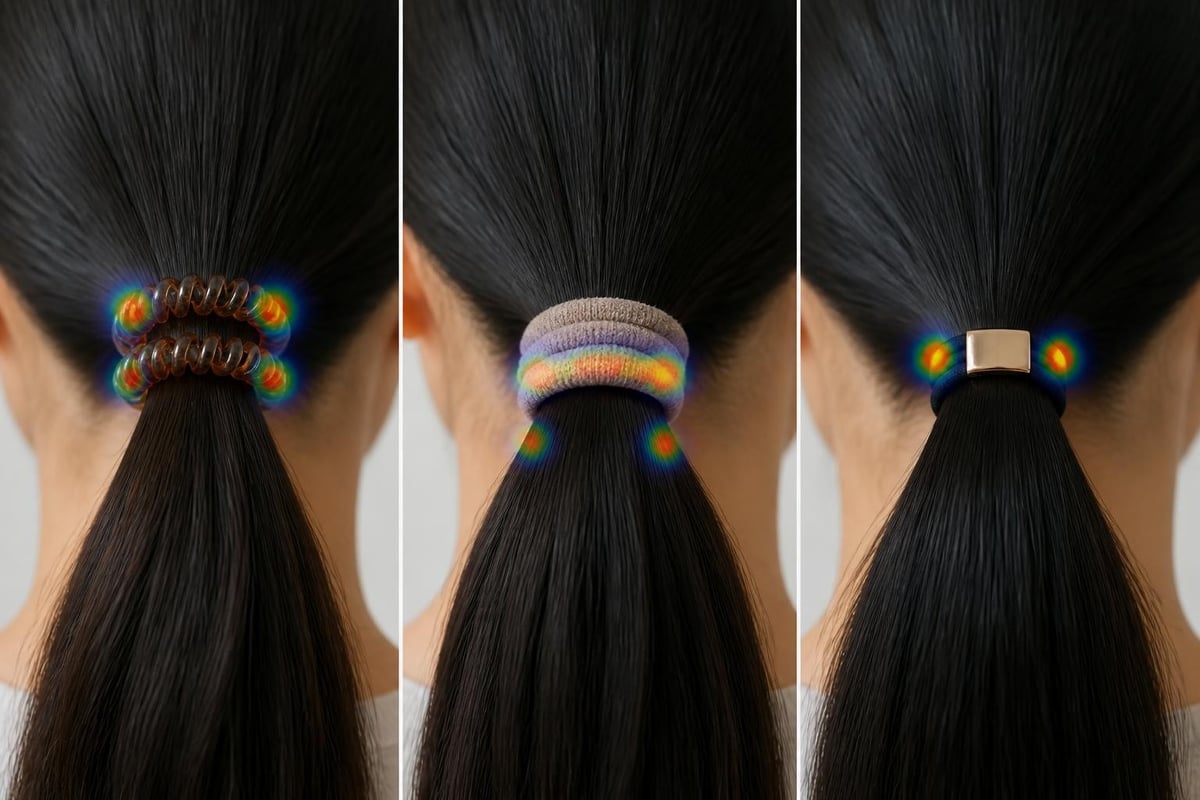
Top Categories of Best Hair Ties for Thick Hair
Through salon testing and client feedback, I've identified five categories that consistently perform well for thick, dense, or voluminous hair. Each serves different styling needs and lifestyle requirements.
Spiral Coil Hair Ties
These telephone-cord-style elastics have become my default recommendation for 70% of thick-haired clients. The coil design means the entire structure stretches and contracts, rather than creating friction against individual hair strands.
Advantages for thick hair:
- Minimal to moderate denting even after 8+ hours of wear, better than a rubber elastic but not as gentle as a silk scrunchie
- Water-resistant for swimmers and athletes
- Easy to remove without pulling or snagging
- Maintain elasticity longer than traditional bands
Considerations:
- Can stretch out permanently if overloaded beyond capacity
- Some find them less aesthetically versatile than fabric options
- May slide on extremely slippery or freshly conditioned hair
I keep spiral coils at my station for clients who need their hair secured during color processing or treatments. They hold thick, wet hair without creating the tension headaches that traditional elastics cause.
Wide Fabric Elastics and Scrunchies
The scrunchie's return, which began in the late 2010s and has held ever since, was never just a fashion trend. It represented a functional return to hair accessories that actually protect thick hair. Modern versions use technical fabrics that grip without pulling.
The key specification for thick hair is width. A scrunchie or fabric elastic should be at least 1.5 inches wide when laid flat to properly distribute tension. Narrower versions work for fine hair but simply can't manage the load thick hair creates.
| Hair Tie Type | Ideal Width | Hold Strength | Damage Risk | Best For |
|---|---|---|---|---|
| Spiral Coil | 1.5-2cm diameter | High | Low to Medium | Active wear, sleeping |
| Silk Scrunchie | 2-3 inches | Medium | Very Low | Overnight, protective styling |
| Wide Fabric Elastic | 1.5-2.5 inches | High | Low | Daily wear, professional settings |
| Traditional Elastic | 2-4mm | Very High | High | Emergency only |
Silk and Satin Options
These materials reduce friction coefficient by approximately 40% compared to cotton or synthetic fabrics. For thick hair prone to tangles or frizz, that friction reduction translates directly into less breakage and easier elastic removal.
I recommend silk satin scrunchies specifically for clients who want to maintain their blowout or style overnight. The smooth surface doesn't disrupt the cuticle layer the way textured fabrics can. For thick hair that takes 45 minutes to style, preserving that work overnight becomes worth the investment in proper accessories.
Recycled and Sustainable Fabric Elastics
Environmental consciousness has entered the hair accessory space, and some sustainable options actually outperform traditional designs for thick hair. Recycled fabric options use repurposed textiles that often have a ribbed or textured surface, providing excellent grip without metal hardware.
The texture grips thick hair effectively while the wider band construction distributes pressure. These work particularly well for medium-length thick hair where you need all-day hold but don't want to create excessive tension at the scalp.
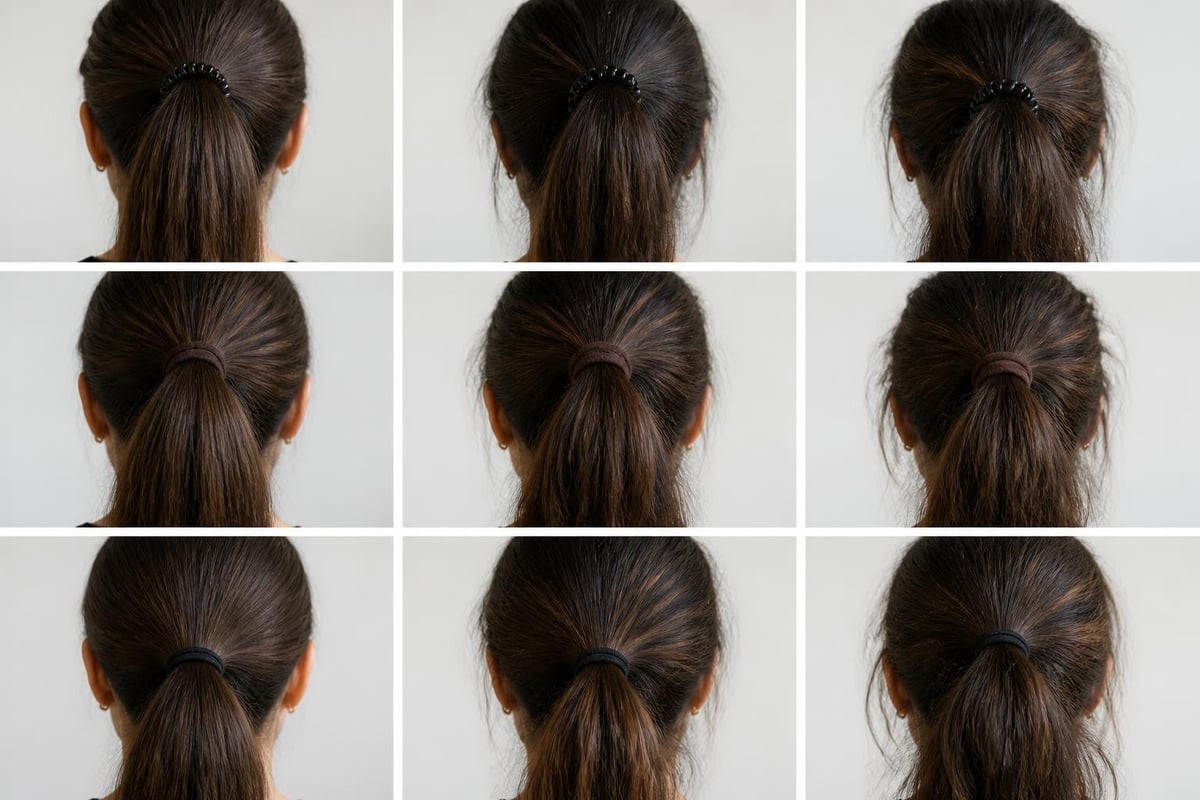
Professional Selection Criteria I Use With Clients
When I'm recommending the best hair ties for thick hair to someone in my chair, I evaluate six specific factors. This assessment takes about three minutes but saves clients months of trial and error.
Hair density measurement: I section a one-inch square at the crown and count ponytail circumference. Thick hair typically measures 4+ inches around when gathered.
Lifestyle and activity level: Athletes need water-resistant options that won't loosen with sweat. Office professionals may prioritize aesthetics alongside function.
Existing damage patterns: If I see breakage concentrated where elastics sit, we immediately eliminate any metal-connector designs and focus on spiral or wide fabric options.
Styling frequency: Daily updos require more elastics in rotation to prevent overstretching any single tie.
There is no single best hair tie for thick hair. There is only the right one for your density, your texture and the day you are having, which is exactly why I run this assessment before I recommend anything.
Measuring Hold Strength Requirements
Not all thick hair needs maximum hold. Fine-textured thick hair (high density but thin individual strands) responds differently than coarse-textured thick hair (moderate density with thick individual strands).
I perform a simple pull test: gather the ponytail and gently tug downward. If the elastic slides more than half an inch with moderate pressure, it won't last through a workday. The best hair ties for thick hair should move less than a quarter inch under this test.
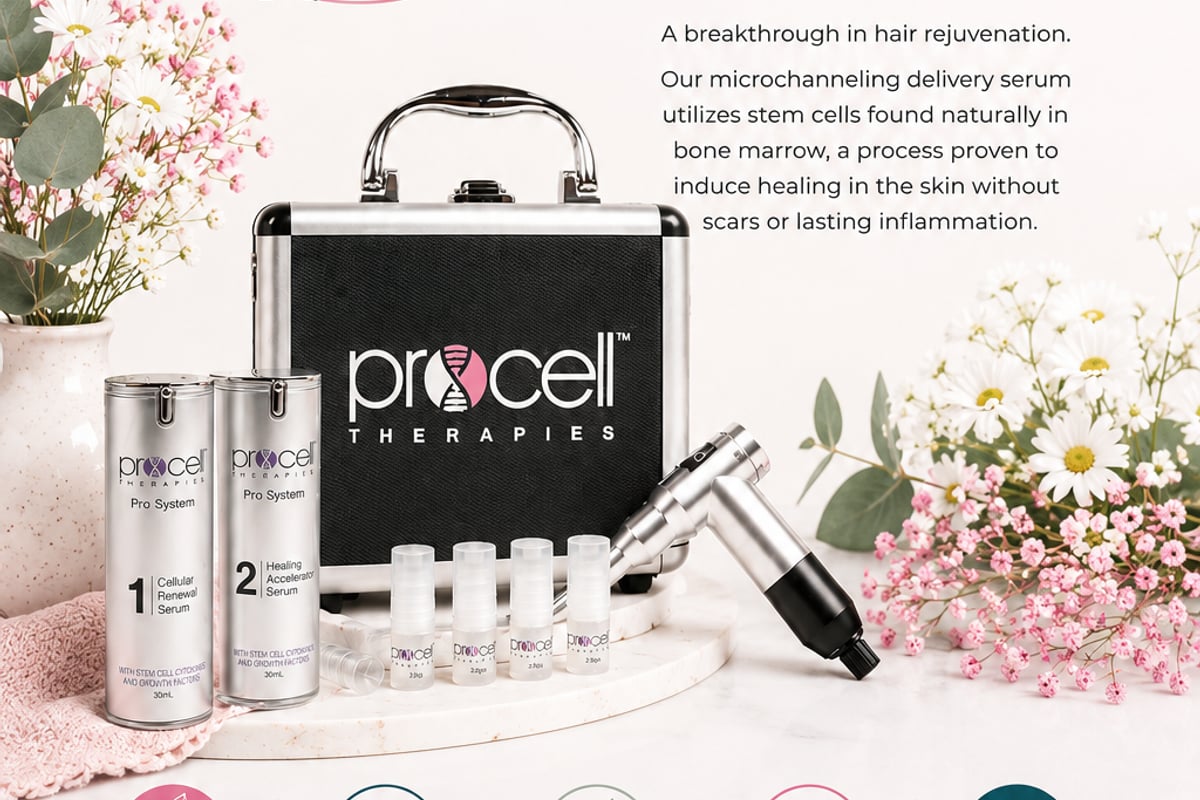
For clients experiencing hair loss or thinning, reducing elastic tension becomes critical. The ProCell Microchanneling treatment we offer at The Pixie Garden addresses thinning from the root level, but protecting fragile regrowth means selecting gentler hair ties during the restoration process. New growth at three months post-treatment is particularly vulnerable to traction damage, so I recommend spiral coils exclusively during that phase.
Avoiding Common Mistakes With Thick Hair Elastics
The three mistakes I see most frequently in my chair all relate to tension, frequency, and positioning. Even with the best hair ties for thick hair, improper use creates damage.
Over-Tightening Syndrome
Thick hair feels secure when pulled taut, but that perceived security comes at a cost. I teach clients the "two-finger rule": you should be able to slide two fingers between your scalp and the ponytail base comfortably. If you can't, you've over-tightened.
Over-tightening causes:
- Traction alopecia along the hairline and temples
- Tension headaches that start mid-day
- Denting severe enough to require heat restyling
- Accelerated elastic degradation and stretching
Loosening your tension is the cheapest fix I can hand anyone. Clients who commit to the two-finger rule stop showing up with that halo of broken short pieces around the hairline, and it costs them nothing but the habit.
Using the Same Elastic Position Daily
Your hair has memory. If you create a ponytail at exactly the same height every single day, you're concentrating all tension damage in one horizontal band around your head. I see this manifest as a distinct shorter layer where clients consistently position their elastic.
Rotate your ponytail height by at least two inches throughout the week. Monday might be a high ponytail, Wednesday mid-level, Friday low at the nape. This distributes mechanical stress across different sections of your hair shaft.
Sleeping in Hair Ties
Unless you're using a specifically designed sleep scrunchie or spiral coil in a very loose braid, sleeping in elastics multiplies damage hours. Eight hours of friction against a pillowcase while your elastic shifts and pulls creates the perfect environment for breakage.
The exception is protective overnight styling with silk scrunchies positioned loosely. This actually reduces friction compared to loose hair rubbing against cotton pillowcases.
Specialty Situations and Solutions
Some thick hair scenarios require modified approaches to the standard recommendations.
Thick, Fine-Textured Hair
This combination (many strands, each individually thin) creates a slippery challenge. Standard thick hair recommendations often slide right out. For this hair type, I recommend slightly textured fabric elastics or spiral coils one size smaller than you'd expect. The texture provides grip without the damage of traditional elastics.
Thick Hair With Chemical Treatment
Color-treated, permed, or chemically straightened thick hair has compromised protein bonds. The cuticle layer is more vulnerable to friction damage. For these clients, I exclusively recommend silk or satin options and suggest limiting elastic wear to four hours maximum per day.
Very Long Thick Hair
When thick hair reaches mid-back or longer, weight becomes a significant factor. A ponytail might contain 6-8 ounces of hair, and gravity pulls constantly on wherever that elastic sits. For very long thick hair, I recommend:
- Using two elastics spaced three inches apart to distribute weight
- Choosing wider elastics (2+ inches) to spread load-bearing surface area
- Considering protective styles like braids that don't concentrate weight at a single point
For that much weight I reach for a wide, soft-fabric tie every time instead of a thin one. The Recycled Fabric Ribbed Hair Elastics I keep at my station spread the load across a broad band instead of cinching it into a narrow line, which is exactly what long thick hair needs.
Testing and Rotating Your Hair Tie Collection
Professional stylists maintain elastic rotations the same way we maintain brush collections. Different tools for different purposes. I recommend clients working with thick hair keep at least twelve quality hair ties in rotation.
Daily rotation strategy:
- 4-5 spiral coils for active days, workouts, and casual wear
- 3-4 wide fabric elastics for professional or polished styling
- 2-3 silk scrunchies for overnight or protective styling
- 1-2 specialty options for specific looks or occasions
This rotation means each elastic gets 48-72 hours of rest between uses, allowing materials to fully recover their shape and elasticity. Stretched elastics lose their grip and require over-tightening to compensate, creating that damage cycle we're trying to avoid.
When to Replace Hair Ties
Even the best hair ties for thick hair have a functional lifespan. Replace elastics when:
- They've stretched beyond their original diameter by more than 20%
- Fabric shows fraying, pilling, or separation from the elastic core
- Spiral coils have permanent deformation or won't return to coiled shape
- You're doubling them to achieve adequate hold
For thick hair specifically, quality elastics typically last 3-4 months with proper rotation. Budget accordingly. Twelve elastics at $3-5 each represents a $36-60 annual investment in preventing hundreds of dollars in damage repair treatments.
| Replacement Timeline | Spiral Coils | Fabric Elastics | Silk Scrunchies | Traditional Bands |
|---|---|---|---|---|
| Daily use | 2-3 months | 3-4 months | 4-6 months | 2-4 weeks |
| Rotated use | 4-6 months | 6-8 months | 8-12 months | Not recommended |
| With thick hair | Reduce 25% | Reduce 25% | Standard | Avoid entirely |
Integration With Overall Hair Health Strategy
Hair ties don't exist in isolation. They're one component of a complete hair health approach that includes cleansing, conditioning, treatment, and styling products. The professional results clients seek come from understanding how each element supports the others.
For thick hair specifically, the cleansing and volumizing foundation matters significantly. The Rice Water Shampoo and Conditioner Bar at The Pixie Garden contains Rice Tein NPNF, a hydrolyzed rice bran protein made by TRI-K Industries. TRI-K's own ingredient testing measured a 20% increase in hair volume after five washes, and the manufacturer lists improved volume, added shine and damage resistance among its documented hair benefits. In the chair, that translates to body you can actually feel, which means your elastics don't have to work as hard to control your hair.
When hair has proper volume and body from effective products, you can use looser elastic tension while still achieving the same polished look. This reduces damage exponentially over time.
Coordinating With Other Hair Accessories
The salon styling essentials collection includes multiple accessories that can reduce your dependence on elastics altogether. Claw clips, bobby pins, and other securing methods distribute pressure differently and give elastic-worn hair regular breaks.
I recommend clients alternate between elastic styles and clip styles throughout the week. Three days of ponytails followed by two days of claw clip updos gives the hairline and crown area recovery time.
Finding the best hair ties for thick hair requires understanding your specific density, texture, and lifestyle needs, then selecting materials and designs that distribute tension evenly while minimizing friction and breakage. Whether you need spiral coils for athletic wear, silk scrunchies for overnight protection, or wide fabric elastics for daily styling, the right choice prevents damage and makes your hair routine easier. The Pixie Garden offers professional-selected hair accessories designed by a licensed cosmetologist to deliver polished, effortless styles that protect your hair's integrity. Explore our curated collection to find the accessories that match your hair's needs and your lifestyle's demands.
How Often Should I Replace Hair Ties for Thick Hair?
Replace hair ties for thick hair every 3-4 months with regular rotation, or sooner if you notice stretching beyond 20% of original size, fraying, or loss of grip. Thick hair creates more stress on elastics than fine hair, accelerating wear. Keep at least twelve quality ties in rotation so each gets rest between uses, extending lifespan and maintaining proper hold without over-tightening.
Can Hair Ties Cause Hair Loss in Thick Hair?
Yes, improper hair tie use causes traction alopecia, particularly along the hairline and temples where tension concentrates. Thick hair's weight amplifies this risk. Prevent hair loss by using wide, damage-free elastics like spiral coils or silk scrunchies, varying ponytail position daily, avoiding over-tightening, and limiting elastic wear to 6-8 hours. If you notice persistent thinning, consult a licensed professional immediately.
What Makes Spiral Coil Hair Ties Better for Thick Hair?
Spiral coil hair ties distribute tension across the entire coil structure rather than creating friction against individual strands. This design prevents creasing, reduces breakage by approximately 60% compared to traditional elastics, and maintains hold without over-tightening. For thick hair specifically, coils handle weight and volume better than flat elastics because the three-dimensional structure grips without creating damaging pressure points.
Should I Sleep With a Hair Tie in Thick Hair?
Only sleep with hair ties if using a loose silk scrunchie or spiral coil in a protective style like a low, loose braid. Standard elastics create 8+ hours of friction and tension damage while you move during sleep. Thick hair particularly suffers from overnight elastic wear because weight and movement combine to pull strands. If you must secure hair overnight, choose the largest silk scrunchie possible in the loosest configuration that prevents tangling.
