

Alcohol Free Hair Gel: Expert Guide by a Cosmetologist
Delena Markland"Alcohol dries and breaks hair over time, turning what should be a styling tool into a source of damage. Alcohol free hair gel holds your style without compromising hair health, and after twenty-five years behind the chair, I've seen the difference it makes in clients' hair texture, shine, and strength." I'm Delena Markland, a licensed cosmetologist and founder of The Pixie Garden, and I've built my practice around one simple principle: your styling products should never undermine the health of your hair.
When I formulated the Hair Finishing Stick, I knew it had to be alcohol-free from day one. This precision twist-up wand delivers salon-quality control over flyaways and frizz using a water-based gel formula that provides flexible, all-day hold without stiffness, residue, or the brittleness that comes from drying alcohols. It's vegan, works on every hair type from fine to curly, and gives you the polished finish clients expect without the damage they don't see until it's already done.
Why Alcohol Free Hair Gel Is Non-Negotiable for Hair Health
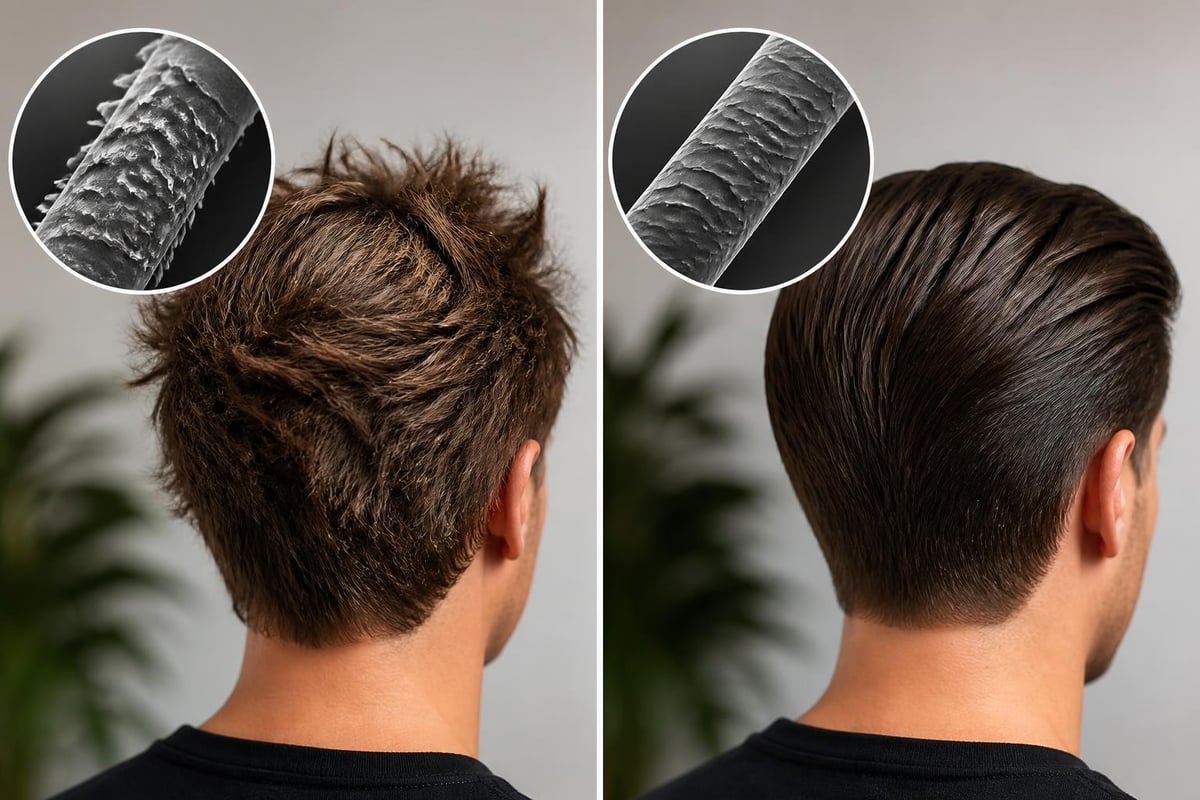
Traditional hair gels rely on short-chain alcohols to create fast-drying hold. These alcohols evaporate quickly, which speeds up styling time but strips moisture from the hair shaft in the process. Over weeks and months of repeated use, this creates a cycle of dehydration that leads to breakage, split ends, and a texture that feels increasingly brittle.
Alcohol free hair gel works differently. Instead of using evaporative alcohols, these formulations rely on water-based polymers, natural gums, and humectants like glycerin to create hold. The result is a product that:
- Maintains the hair's natural moisture balance
- Provides flexible hold that moves with your hair
- Reduces the risk of flaking and white residue
- Supports long-term hair health rather than compromising it
I've watched this play out in real time with clients. One woman came to me after years of using a popular drugstore gel for her curls. Her hair had become so dry and prone to breakage that she was losing length faster than she could grow it. We switched her to an alcohol-free formula, adjusted her hair care routine to focus on moisture retention, and within eight weeks, her hair felt softer, looked shinier, and stopped breaking at the mid-lengths.
The Chemical Reality: Which Alcohols Damage Hair
Not all alcohols are created equal. The cosmetic chemistry behind hair products distinguishes between short-chain drying alcohols and long-chain fatty alcohols that actually condition hair. When you're reading a product label, here's what you need to know:
Drying alcohols to avoid:
- Ethanol (also listed as Ethyl Alcohol)
- Isopropyl Alcohol (also called Isopropanol)
- Propanol
- SD Alcohol 40 (Specially Denatured Alcohol)
- Denatured Alcohol (Alcohol Denat.)
These ingredients appear in the first five to seven ingredients on many traditional gels. Their molecular structure allows them to penetrate the hair shaft and evaporate rapidly, taking moisture with them. According to research on traditional hair gel risks, this repeated moisture loss leads to increased porosity, which creates a vicious cycle where hair becomes even more vulnerable to environmental damage.
Beneficial fatty alcohols (safe and conditioning):
- Cetyl Alcohol
- Stearyl Alcohol
- Cetearyl Alcohol
- Behenyl Alcohol
These long-chain alcohols actually help soften and smooth hair. They're derived from natural sources like coconut oil and serve as emollients rather than solvents. When you see these on a label for alcohol free hair gel, they're not a red flag, they're actually supporting the product's performance.
Alcohol Free Hair Gel vs Traditional Gel: A Direct Comparison
The difference between these two product categories isn't just about ingredients. It's about what happens to your hair over time with consistent use.
| Feature | Alcohol Free Hair Gel | Traditional Alcohol-Based Gel |
|---|---|---|
| Moisture Impact | Preserves natural moisture balance; adds humectants | Strips moisture through evaporation; causes cumulative dryness |
| Breakage Risk | Low; maintains hair elasticity | High; brittleness increases with repeated use |
| Flaking | Minimal to none when applied correctly | Common, especially in humid conditions or with product buildup |
| Hold Type | Flexible, moves with hair | Stiff, crunchy, can create a helmet effect |
| Long-Term Hair Health | Supports strength and shine | Degrades hair structure over months of use |
| Suitability for Damaged Hair | Excellent; doesn't compound existing damage | Poor; accelerates damage on already compromised hair |
This table tells the story I've seen play out in my salon chair hundreds of times. Clients come in wondering why their hair won't grow past a certain length, or why it feels dry no matter how much conditioner they use. When we examine their product routine, alcohol-based styling products are almost always part of the problem.
The Role of Humectants in Alcohol Free Formulations
What makes alcohol free hair gel effective isn't just what it lacks, but what it includes. Glycerin, aloe vera, panthenol (pro-vitamin B5), and natural plant gums serve as humectants that draw moisture from the environment into the hair shaft. This is particularly beneficial for people dealing with high porosity hair, which struggles to retain moisture on its own.
In the Hair Finishing Stick formulation, I specifically chose water-based gel ingredients that provide hold without weight. The lightweight texture means you can target baby hairs and flyaways with precision, using the mascara-style wand to smooth exactly where you need it. There's no residue, no crunch, and no compromise on hold strength.
Chair-Side Reality: A Client Success Story
Last summer, a client named Rebecca came to me after her hair started breaking off in chunks near her temples. She'd been using the same gel for her slicked-back ponytail every single day for three years. The gel contained SD Alcohol 40 as the second ingredient, and it was doing exactly what those short-chain alcohols do: drying out her hair from the inside.
Her hair at the temples had become so brittle that it would snap when she tried to brush it. The texture felt like straw. We did a full reset: deep conditioning treatments, protein-moisture balance correction, and a complete switch to alcohol-free styling products. Within six weeks, the breakage stopped. Within three months, she had visible regrowth at the temples.
What changed specifically:
- Replaced alcohol-based gel with alcohol free hair gel for daily styling
- Applied the product to damp hair, not dry hair, to maximize moisture retention
- Used less product overall because alcohol-free formulas don't require heavy application to achieve hold
- Incorporated a weekly scalp treatment to support healthy hair growth from the follicle
Rebecca's hair is now past her shoulders, something she didn't think was possible after years of breakage. She still wears her ponytail every day. The difference is that her styling products now work with her hair's biology instead of against it.
How to Apply Alcohol Free Hair Gel for Maximum Hold and Health
Application technique matters as much as product choice. Here's the method I teach clients for getting professional results with alcohol free hair gel:
For sleek styles and flyaway control:
- Start with damp, towel-dried hair (never soaking wet or completely dry)
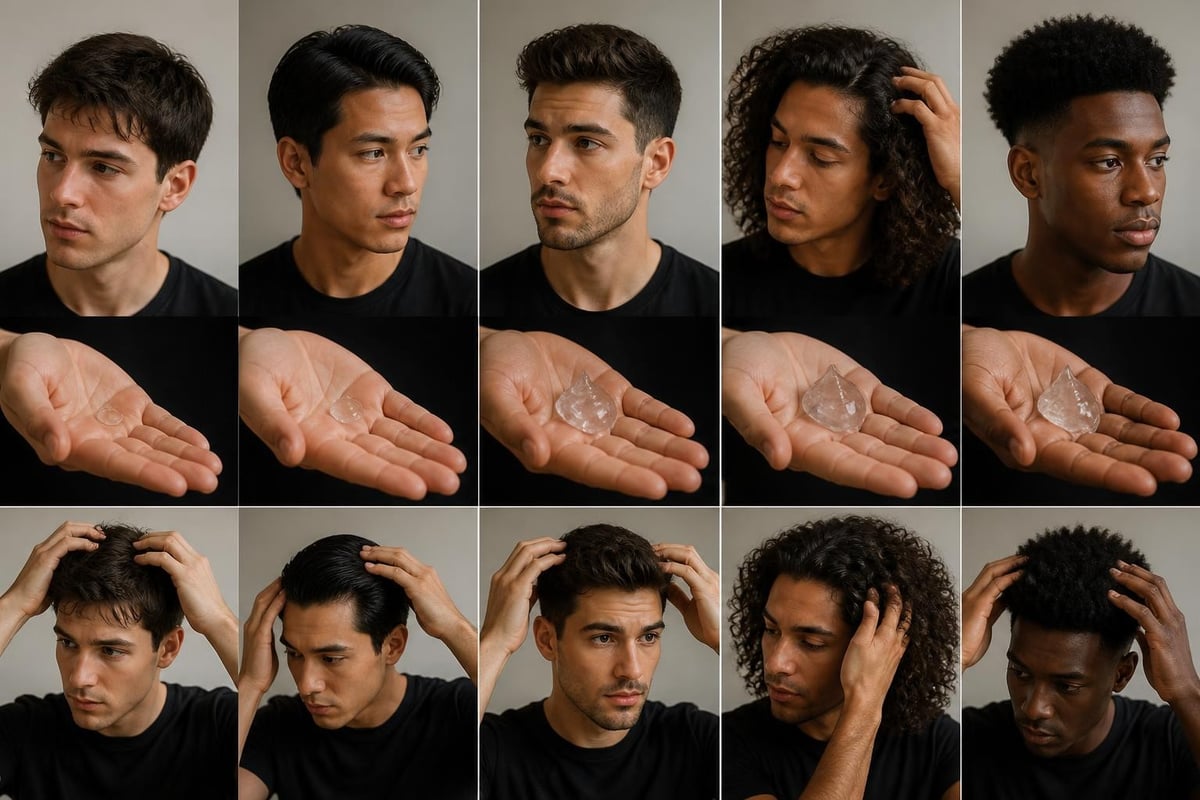
- Dispense a small amount of gel into your palm (less than you think you need)
- Warm the product between your hands to activate the polymers
- Smooth over the surface of hair in the direction you want it to lay
- Use a fine-tooth comb or precision wand for baby hairs and edges
- Allow to air dry or use low heat if needed
For curls and waves:
- Apply to soaking wet hair, section by section
- Use the praying hands method or scrunch gently
- Do not touch hair while it dries (this prevents frizz)
- Once completely dry, scrunch out the gel cast for soft, defined curls
- Refresh on day two or three with a water spray and small amount of additional gel
The cosmetologist-curated approach I use at The Pixie Garden emphasizes technique as much as product quality. You can have the best alcohol free hair gel in the world, but if you apply it incorrectly, you won't get the results you want.
Many professional stylists, including those working with high-end brands like Green Spa, emphasize the importance of using gentle, natural formulations that support hair health over time. The same philosophy applies to styling products: what you put on your hair every day has cumulative effects that show up months or years down the line.
Product Amount and Frequency Guidelines
One advantage of alcohol free hair gel is that you typically need less product to achieve the same hold. Because these formulas don't evaporate as quickly, they stay active on the hair longer and create hold through polymer networks rather than dehydration.
General guidelines by hair length and type:
- Short hair (pixie to bob): Pea-sized amount for overall styling; rice grain size for edges
- Medium hair (shoulder length): Dime-sized amount distributed through sections
- Long hair (past shoulders): Nickel-sized amount, applied in sections to ensure even distribution
- Fine hair: Start with less; you can always add more
- Thick or coarse hair: May need slightly more, but focus on even distribution rather than quantity
For daily use, alcohol free hair gel is safe for every hair type. Unlike traditional gels that can cause cumulative damage, these formulations actually support hair health when used as directed. The key is choosing a product free from drying alcohols and applying it correctly for your hair texture and style goals.
Alcohol Free Options in Professional and Consumer Markets
The market for alcohol free hair gel has expanded significantly over the past five years as consumers become more ingredient-conscious. Products like Biotera's Alcohol-Free Defining Gel and Leonor Greyl's Gel à l'Hibiscus demonstrate that professional-grade performance doesn't require drying alcohols.
When evaluating products, look beyond marketing claims to actual ingredient lists. Detailed formulation breakdowns can help you understand what you're actually putting on your hair. Some products marketed as "gentle" or "moisturizing" still contain drying alcohols, so always verify the ingredient panel.
For parents specifically, choosing alcohol free hair gel for children is particularly important. Kids' hair is often finer and more vulnerable to damage, and establishing healthy product habits early sets them up for better hair health throughout their lives.
Special Considerations for Different Hair Textures
Alcohol free hair gel isn't a one-size-fits-all category. Different formulations work better for different hair textures, and understanding your hair's specific needs helps you choose the right product.
Fine hair: Look for lightweight, water-based gels that provide hold without weighing hair down. Avoid products with heavy oils or butters that can make fine hair appear greasy or flat.
Medium to thick hair: You have more flexibility with formulation weight. Look for alcohol free hair gel that includes conditioning agents like panthenol or hydrolyzed proteins to support strength while styling.
Curly and coily hair: Choose gels with strong humectants (glycerin, aloe) and slip agents that help define curls without creating excessive crunch. The scrunching-out-the-crunch method works well with alcohol-free formulas.
Color-treated hair: Alcohol free formulations are essential here, as drying alcohols can cause premature color fading by opening the hair cuticle. Pair your alcohol free hair gel with other gentle products to maximize color longevity.
Chemically treated hair (relaxed, permed, keratin-treated): These hair types have already been through significant structural changes and cannot afford additional stress from drying alcohols. Stick exclusively to alcohol-free styling products.
The Hair Finishing Stick I developed works across all these categories because it's genuinely lightweight, water-based, and free from drying alcohols. The precision wand delivery system means you can target exactly where you need control, whether that's smoothing flyaways on fine hair or defining edges on textured styles.
The Science Behind Hold Without Alcohol
Understanding how alcohol free hair gel creates hold helps you appreciate why these products perform differently than traditional formulas. The hold in alcohol-free gels comes from film-forming polymers that create a flexible network around and between hair strands.
Common polymers in alcohol-free formulations include:
- PVP (Polyvinylpyrrolidone): Creates firm hold with minimal flaking
- Carbomer: A thickening agent that also provides structure
- Natural gums (xanthan, guar): Plant-derived thickeners that offer flexible hold
- Acrylates copolymer: Provides humidity-resistant hold without stiffness
These ingredients work by coating the hair shaft and cross-linking as they dry, forming a flexible film that holds hair in place. Because they don't rely on dehydration for hold (unlike alcohol-based gels), the hair underneath remains moisturized and flexible.
This is why alcohol free hair gel doesn't create the same crunchy, helmet-like texture as traditional gels. The hold is there, but it moves with your hair rather than against it. For professional styling where you need hair to look polished but natural, this makes all the difference.
Building a Complete Alcohol-Free Styling Routine
While focusing on alcohol free hair gel is important, the best results come from a complete approach to hair health. Your styling products work in concert with your cleansing, conditioning, and treatment products to create your overall hair condition.
Morning routine example:
- Refresh hair with water spray or leave-in conditioner
- Apply small amount of alcohol free hair gel to smooth and style
- Use precision tool (brush, wand, or fingers) to set style
- Allow to dry naturally or use low heat
- Finish with lightweight oil on ends if needed for shine
Weekly maintenance:
- Deep conditioning treatment to maintain moisture balance
- Scalp massage to support healthy circulation and growth
- Product clarification if you use styling products daily (buildup happens even with gentle products)
- Protective styling at night to preserve daytime style and reduce manipulation
This comprehensive approach is what I implement with every client. It's not just about the individual products you use, but how they work together to support your hair health goals. You can explore more about this philosophy through The Pixie Garden's curated collection, where every product is selected with this holistic approach in mind.
Reading Labels Like a Professional
The ingredient list on any hair product is ordered by concentration, with the highest-concentration ingredients listed first. For alcohol free hair gel, here's what you want to see:
First five ingredients should include:
- Water (Aqua) as the primary base
- Film-forming polymers for hold
- Humectants (glycerin, aloe vera) for moisture
- Conditioning agents (panthenol, proteins)
- Natural extracts or botanical ingredients
What you don't want to see in the first ten ingredients:
- Any of the drying alcohols listed earlier (Ethanol, Isopropyl Alcohol, SD Alcohol 40, etc.)
- Sulfates (can be drying when combined with daily styling)
- Synthetic fragrances at high concentrations (potential scalp irritation)
- Parabens (if you're choosing clean beauty options)
Products like KeraCare's Moisturizing Gel demonstrate what a well-formulated alcohol-free product looks like on the ingredient panel. Compare several products to understand different formulation approaches and find what works best for your specific hair needs.
Professional Styling Techniques Using Alcohol Free Products
In my salon work, I use alcohol free hair gel for everything from sleek updos to textured pixie cuts. The versatility of these products, when you understand their chemistry, is actually greater than traditional alcohol-based gels.
Techniques that work particularly well:
Edge Control and Baby Hair Styling
The precision required for clean edges and artistic baby hair designs demands a product that holds without flaking and allows for fine control. This is exactly where the Hair Finishing Stick excels. The mascara-style wand targets individual hairs, the water-based gel provides immediate tack without stiffness, and the alcohol-free formula means you can rework areas without causing breakage.
Curl Definition and Enhancement
For naturally textured hair, alcohol free hair gel applied to soaking wet hair creates defined, bouncy curls without the crunch and dryness that plague alcohol-based products. The key is generous water content during application and complete hands-off drying.
Sleek Ponytails and Buns
This is where many people first encounter gel-related damage. The daily slicked-back style, held with alcohol-based gel, creates tension and dehydration at the temples and hairline. Switching to alcohol free options eliminates the dehydration component, though you still need to vary your style occasionally to prevent tension alopecia.
Spiky and Textured Styles
Short hair and pixie cuts often rely on gel for texture and separation. Alcohol free formulations create piece-y definition without the stiff, dated look of traditional gels. You get modern texture with touchable hold.
Common Mistakes and How to Avoid Them
Even with the right alcohol free hair gel, application errors can prevent you from getting the results you want. Here are the most common mistakes I see and how to fix them:
Using too much product: More gel doesn't equal more hold. Excess product creates buildup, attracts dirt, and can actually reduce hold effectiveness. Start small and add incrementally.
Applying to dry hair: Most alcohol-free gels are designed for damp hair application. Dry hair can't absorb the product properly, leading to flaking and uneven distribution.
Touching hair while it dries: This disrupts the polymer film formation and creates frizz. Apply your gel, style as desired, then leave it alone until completely dry.
Skipping the scrunch-out step for curls: The gel cast that forms on curly hair needs to be scrunched out after drying for soft, natural-looking curls. If you skip this step, you'll have crunchy curls instead of defined, touchable ones.
Not clarifying regularly: Even gentle, alcohol-free products can build up over time. Use a clarifying treatment every few weeks to remove accumulation and restore your hair's natural response to products.
Frequently Asked Questions
Why should I choose alcohol free hair gel over traditional gel?
Alcohol free hair gel protects your hair's moisture balance and structural integrity. Traditional gels containing short-chain alcohols (ethanol, isopropyl alcohol, SD alcohol) create hold through rapid evaporation that strips moisture from your hair shaft. Over time, this causes cumulative damage including dryness, brittleness, breakage, and split ends. Alcohol-free formulations use water-based polymers and humectants to create flexible hold without dehydration, supporting long-term hair health while still providing the styling control you need.
Which specific alcohols should I avoid on a product label?
Avoid these drying alcohols: Ethanol (Ethyl Alcohol), Isopropyl Alcohol (Isopropanol), Propanol, SD Alcohol 40, and Denatured Alcohol (Alcohol Denat.). These short-chain alcohols appear in traditional gels to speed drying time but damage hair through moisture depletion. However, not all alcohols are harmful. Fatty alcohols like Cetyl Alcohol, Stearyl Alcohol, Cetearyl Alcohol, and Behenyl Alcohol are actually beneficial conditioning agents derived from natural sources. These long-chain alcohols help soften and smooth hair, so seeing them on a product label is not a concern.
Does alcohol free hair gel provide the same hold as traditional gel?
Yes, alcohol free hair gel provides comparable or superior hold to traditional formulas, but the hold quality differs in important ways. Instead of creating stiff, crunchy hold through dehydration, alcohol-free gels use film-forming polymers like PVP, acrylates, and natural gums to create flexible hold that moves with your hair. The result is polished, controlled styling without the helmet effect or brittleness. Professional-grade alcohol-free formulations deliver all-day hold while maintaining hair's natural movement and texture, making them ideal for modern styling where you want polish without obvious product presence.
Can I use alcohol free hair gel every day without damaging my hair?
Absolutely. Daily use of alcohol free hair gel is safe for all hair types and actually supports hair health rather than compromising it. Unlike traditional gels that cause cumulative damage with repeated use, alcohol-free formulations work with your hair's natural moisture balance. The key is using the right amount for your hair type, applying it correctly to damp hair, and incorporating regular clarifying treatments to prevent any product buildup. Many of my clients use alcohol-free gel daily for years with continuously improving hair quality, especially when combined with a moisture-focused overall routine.
Choosing alcohol free hair gel is about protecting your investment in your hair's future health while still achieving the polished styles you want today. The science is clear: drying alcohols compromise hair structure over time, and modern formulations prove that professional hold doesn't require that trade-off. Whether you're smoothing flyaways, defining curls, or creating sleek updos, alcohol-free options deliver results without damage. The Pixie Garden brings this cosmetologist-backed approach to every product we offer, giving you salon-quality styling tools that work with your hair's biology instead of against it.
